




FTA's Broad Overview
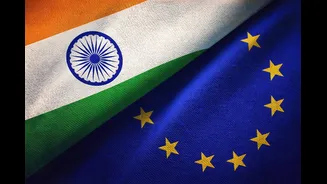
The India-EU Free Trade Agreement is designed to eliminate tariffs and reduce non-tariff barriers, thereby facilitating smoother trade between the two
economic giants. This comprehensive agreement covers a broad spectrum of sectors, including goods, services, and investments. The FTA is seen as a strategic move to strengthen economic partnerships and boost mutual prosperity. The pact is estimated to encompass a quarter of the world's GDP, which highlights its significance in global trade dynamics. This ambitious trade initiative is a testament to the commitment of both India and the EU to enhance their economic collaboration in various key sectors. Key areas of focus include reduced customs duties, streamlined regulatory procedures, and the promotion of investment flows. This collaborative effort should open up new avenues for businesses, foster innovation, and create opportunities for economic expansion and job creation on both sides. The initiative represents a critical step in building a more integrated and competitive global market landscape.
Modi's Enthusiastic Praise
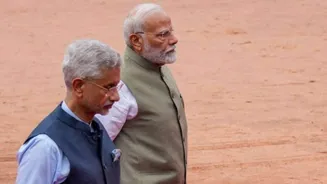
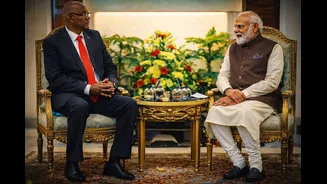
Prime Minister Modi has heralded the India-EU FTA as a monumental achievement, emphasizing its transformative potential for the economic landscape. He celebrated the agreement, calling it the 'mother of all deals'. His strong endorsement underscores the strategic importance of the FTA in his government's vision for economic growth and international partnerships. PM Modi’s enthusiastic reception of the deal demonstrates his dedication to opening India's economy to global markets and fostering trade relationships with major economic partners. His positive outlook shows a proactive approach toward international collaboration and reflects his confidence in the FTA's positive impact on various sectors. PM Modi's support is critical to driving the momentum for the successful implementation and achievement of the FTA’s goals. The emphasis on the agreement’s significance reveals the strong resolve of the leadership to enhance economic ties and contribute towards collective growth and prosperity.
Impact and Expectations
The India-EU FTA is expected to yield substantial benefits for both economies. The main goals are to increase trade volumes, encourage foreign direct investment, and create jobs. Indian businesses will have improved access to the European market, which is expected to facilitate exports. At the same time, the agreement offers European companies better market access, thereby promoting competition and innovation. Experts are projecting an upward trend in economic growth as a direct result of increased trade and investment flows. Businesses operating in areas such as manufacturing, services, and technology are also expected to see significant gains from reduced tariffs and streamlined regulations. This FTA could lead to more efficient supply chains and a greater range of choices for consumers. The agreement is positioned as an instrument to strengthen the two economies and create a more integrated and globally competitive market.
Future Implications
The India-EU FTA establishes a solid foundation for more robust economic cooperation between India and the EU. This arrangement is expected to promote ongoing dialogue and collaboration on important global issues. The FTA creates pathways for new avenues of investment, technological advancements, and cultural exchanges, which will bring about economic expansion. The success of this agreement may also encourage other countries and regions to pursue similar trade arrangements, promoting global trade. Through the lowering of trade barriers, the FTA demonstrates the commitment of both India and the EU to work together to promote free trade and multilateralism. The lasting impacts will likely be more evident in the long term, with benefits like rising standards of living, better job prospects, and a more vibrant global economy.