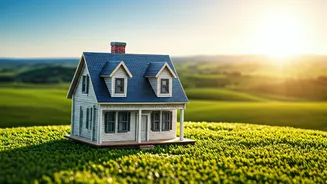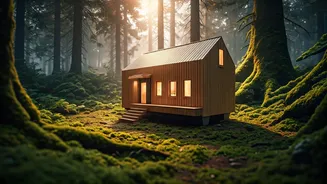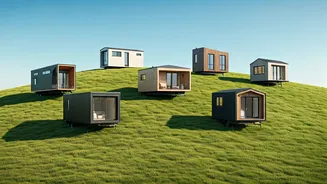

Tiny Living Defined
The concept of tiny living has gained considerable traction in recent years, capturing the imagination of many seeking a more simplified and sustainable
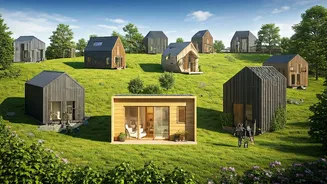
lifestyle. These homes, often measuring under 1,000 square feet, epitomize the idea of doing more with less. They are designed with functionality and efficiency in mind, often incorporating multi-purpose furniture and clever storage solutions to make the most of every available inch. This movement is not just about downsizing; it's about re-evaluating priorities, embracing minimalism, and focusing on experiences over possessions. The trend has expanded beyond individual homes, influencing urban planning and architectural designs, as people realize the benefits of smaller spaces and their reduced environmental impact. Tiny homes are a statement about values, and they promote a life centered on essentials rather than excess.
Japan's Compact Designs
Japan, a country known for its efficient use of space, offers some fascinating examples of incredibly small homes. Due to high population density and limited land availability, Japanese architects and homeowners have perfected the art of creating livable spaces in tight quarters. Many of these homes are built with a focus on natural light, utilizing large windows and strategically placed mirrors to create an illusion of spaciousness. They often feature integrated storage solutions, such as built-in shelves, cabinets, and platforms, maximizing vertical space. Traditional Japanese design principles, emphasizing simplicity and harmony with nature, also play a key role, with minimalist interiors and a strong connection to the outside environment through gardens or small balconies. These homes demonstrate that comfort and functionality are achievable even in severely limited space, reflecting the innovative spirit of Japanese design.
The Netherlands' Houseboats
In the Netherlands, particularly in cities like Amsterdam, houseboats represent a unique approach to compact living. These floating homes provide a charming alternative to traditional housing, allowing residents to live directly on the water. Houseboats range from quaint, historic vessels to modern, architecturally designed structures. Space is efficiently managed through a combination of smart layouts, integrated furniture, and clever storage. Many houseboats are equipped with modern amenities, including full kitchens, bathrooms, and living areas. They often offer stunning views and a tranquil living environment, away from the hustle and bustle of city life. The houseboat lifestyle is also associated with sustainability, as many residents are keen on environmental responsibility, using energy-efficient appliances and adopting eco-friendly practices. These homes blend comfort, functionality, and a close relationship with nature, offering a distinct and attractive lifestyle.
Eco-Friendly Tiny Homes
Sustainability is a driving force behind the tiny home movement, and many of these dwellings are built with eco-friendly principles in mind. These homes frequently incorporate recycled or reclaimed materials, reducing their environmental footprint. Solar panels and other renewable energy sources are often used to generate electricity, lowering energy consumption. Water conservation is another key focus, with features like composting toilets and rainwater harvesting systems. The designs of the homes themselves may emphasize natural ventilation and insulation to minimize the need for heating and cooling. Furthermore, tiny home communities are often designed to promote sharing and resourcefulness, fostering a sense of community. From the materials used in construction to the energy and water systems, sustainability is central to the tiny home philosophy, illustrating a commitment to living lightly on the planet.
US: Mobile Tiny Houses
The United States has embraced the tiny house movement with a diverse range of mobile homes. These homes are designed to be easily transported, giving their owners flexibility and freedom. They are typically built on trailers, making them legally classified as vehicles, which can simplify regulations in some areas. Mobile tiny homes are equipped with all the necessary amenities, including kitchens, bathrooms, and living spaces, despite their small size. They are often used for adventurous travel, allowing owners to explore different locations and live off-grid. The popularity of mobile tiny homes reflects a desire for simplicity, reduced costs, and the freedom to change locations easily. They present a compelling blend of practicality and wanderlust, enabling people to live minimally without being tied down to a fixed location. This has opened a different world of living for many people in the US.
Europe's Compact Cottages
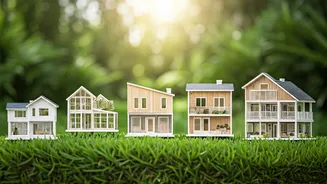
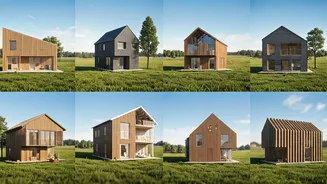
Across Europe, a wide range of compact cottages and homes demonstrate that smaller can be beautiful. These structures, often found in picturesque settings, are designed to blend seamlessly with their surroundings. Many feature traditional architectural elements, such as steep roofs, small windows, and cozy interiors. They focus on creating a sense of warmth and comfort despite their limited size. The designs often incorporate local materials and building techniques, contributing to the distinct character of each home. These compact cottages reflect a focus on quality over quantity, promoting a slower pace of life. They embrace the beauty of simplicity and are often located in areas that offer natural beauty and a strong sense of community. The structures provide a comfortable living space while connecting individuals to a place and its cultural heritage.
Australia's Modern Tiny Homes
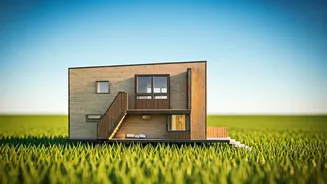
Australia showcases modern tiny homes that epitomize innovative design and functionality. These dwellings, often built with sustainable materials, demonstrate how to maximize space while minimizing environmental impact. They frequently incorporate features like open-plan layouts, natural light, and indoor-outdoor living spaces, taking advantage of the Australian climate. Modern Australian tiny homes are characterized by clean lines, minimalist aesthetics, and integrated technology to provide both comfort and convenience. They represent a blend of style and sustainability, appealing to those who want a practical home and a reduced carbon footprint. These homes reflect a growing interest in simplicity, and offer a lifestyle change to enjoy the country and nature even more.
Smart Home Technologies
Tiny homes often incorporate smart home technologies to maximize efficiency and convenience. These technologies help homeowners to manage all aspects of their living spaces. Smart lighting systems can adjust brightness and color to create the desired ambiance, while smart thermostats regulate temperature, conserving energy. Smart appliances, such as refrigerators and washing machines, offer remote control and energy-saving features. These innovations transform small spaces into connected environments, enhancing the overall living experience. Smart home technology helps to streamline daily routines and reduce the environmental footprint, which is a great benefit for the owners of tiny homes. Integration of such technologies is a key aspect of making these homes as comfortable and efficient as possible.
Design & Functionality
The success of a tiny home lies in the thoughtful design, which must prioritize functionality. Architects and designers utilize space-saving techniques, such as lofted sleeping areas, built-in storage, and multi-functional furniture, to maximize the usable area. The use of natural light and open floor plans creates a sense of spaciousness, while clever storage solutions keep living areas uncluttered. Versatility is critical, with spaces designed to serve multiple purposes, from living rooms that transform into bedrooms to dining tables that double as workspaces. The choice of materials and finishes also affects the overall feel, with natural and light-colored materials often favored to create an airy and inviting atmosphere. The core of a functional tiny home revolves around the efficient design, allowing it to provide a comfortable lifestyle within a limited footprint.
Downsizing Advantages
Choosing to live in a tiny home brings numerous benefits, ranging from financial savings to reduced environmental impact. Smaller homes often mean lower costs for housing, which can translate into reduced mortgage payments or rent, freeing up financial resources. Energy bills and utility costs are typically much lower due to the reduced space. Tiny home residents often find themselves decluttering, which leads to a life with fewer possessions and more experiences. Owning a tiny home supports a lower environmental footprint, promoting sustainability through reduced consumption. The transition to a smaller home can also provide a sense of freedom, reducing the burdens of maintenance and upkeep. These homes encourage a lifestyle change that prioritizes simplicity, self-reliance, and a stronger connection with nature and one's community, making them a very attractive alternative.