
Energy Trade Crossroads
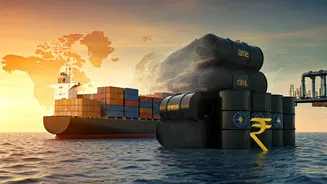
The geopolitical climate has created a complicated landscape in global trade, specifically when it comes to energy. Europe's aim to phase out direct energy ties
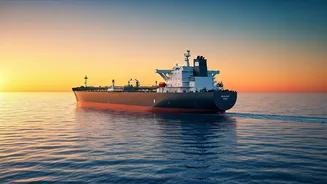
with Russia has led to an indirect route via India. This strategy involves European countries importing refined oil products from India. This intricate network brings into question the nature of the economic ties and their role in the Russia-Ukraine war. The core of the matter centers around whether this indirect method is effectively circumventing sanctions and still funneling resources to Russia.
US Concerns Raised
United States officials have expressed serious concerns over Europe's energy dealings with India. US Treasury Secretary Scott Bessent, for instance, issued a warning highlighting the possibility of Europe indirectly funding the Russia-Ukraine war. This perspective suggests that the trade dynamics are enabling Russia by providing it with funds, despite Europe's official policies. The US's stance reflects an unease regarding the unintended consequences of the trade agreements. The US government is closely scrutinizing these energy transactions and their broader impact.
Financial Implications Examined
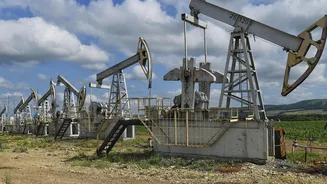
The financial implications of this trade are significant, and they reach into the heart of the conflict. The core argument is that Europe is indirectly financing the war by purchasing refined Russian oil. The money earned through this trade might be utilized to support Russia's military activities, which is a key cause for concern among the US officials. The intricate financial flows and their connections to the ongoing war are the subject of many investigations and debates. These actions raise complex questions about the effectiveness of sanctions and the need to adjust trade strategies.
Political Reactions Noted
The trade dynamics have elicited political responses, including commentary from various figures. Some voices, such as Team Trump, have labeled these practices as a case of Europe potentially funding a conflict against itself through the India-EU trade. These kinds of statements serve to illustrate the depth of the political controversy. The varying viewpoints provide a broad scope of the debate, and show how deeply these trading practices have become a part of the international dialogue on the war.
US Trade Restrictions
The United States has taken additional steps to address the perceived issues by imposing a 25% tariff on India for its purchase of Russian oil. This is an assertive move to address what the US perceives as a problematic trade relationship, and it further complicates the already complex relationships. The imposition of tariffs showcases the United States' commitment to hold countries accountable, and also highlights the growing tensions within the global energy market. These trade restrictions contribute to a complicated situation that is constantly shifting.