


PSLV-C62 Unveiled
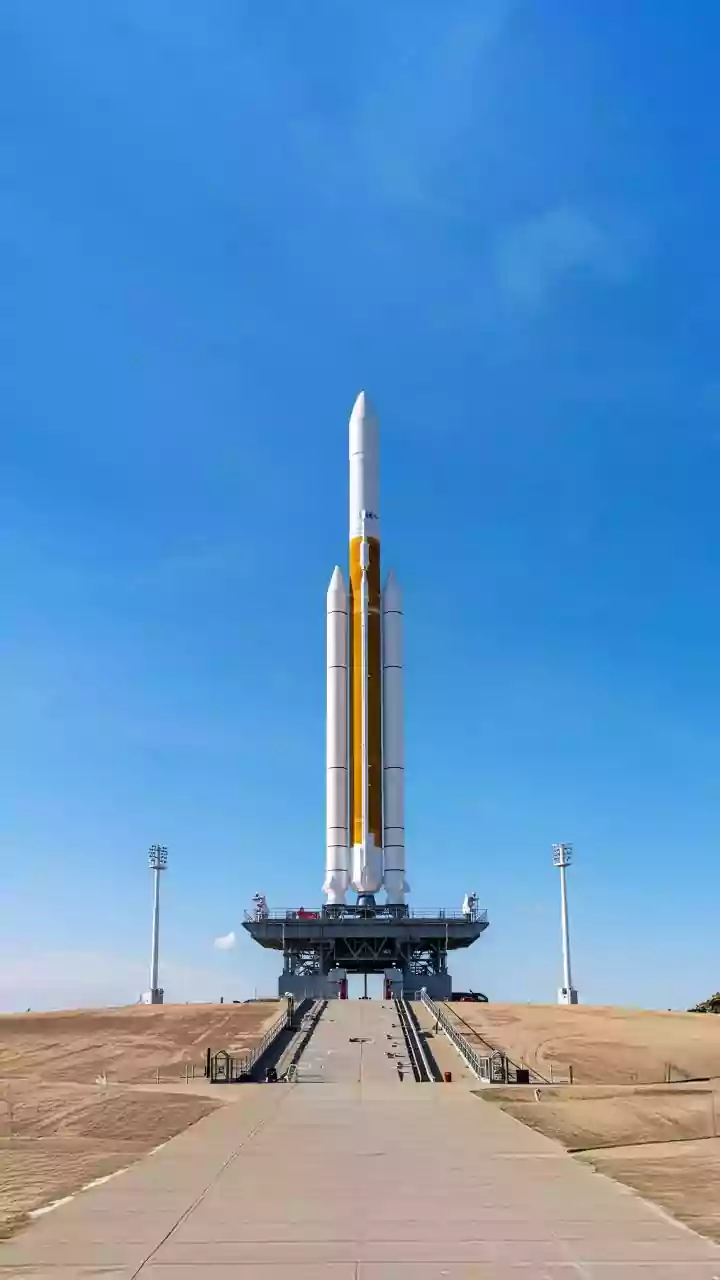
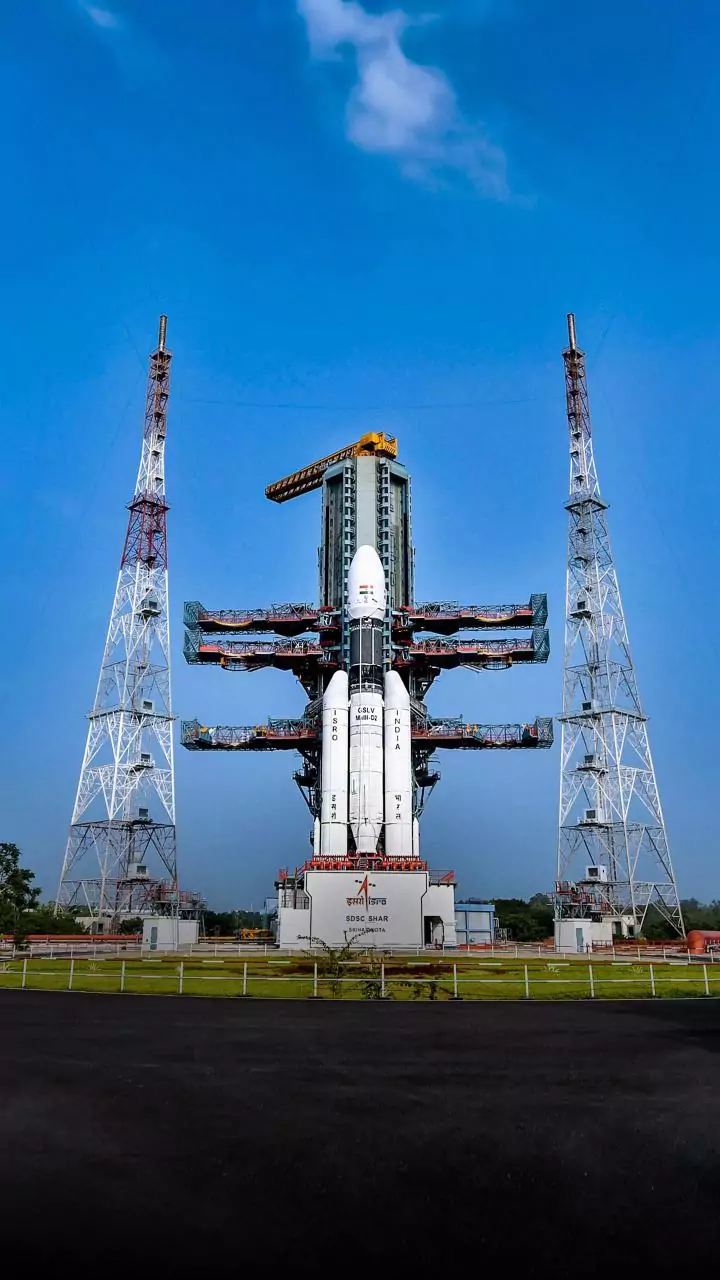
The upcoming mission, PSLV-C62, is scheduled to lift off from the Satish Dhawan Space Centre in Sriharikota. The launch, intended to be ISRO's initial
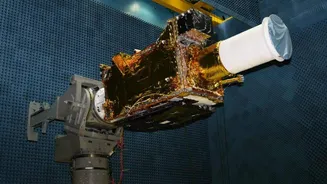
space endeavor of 2026, showcases the country's dedication to space exploration and technological capabilities. The Polar Satellite Launch Vehicle (PSLV), known for its reliability, will be deploying the primary payload alongside a collection of other satellites into orbit. Further specifics regarding the mission, including the intended orbit, the primary payload's function, and the specific satellites it will carry, will be progressively disclosed by ISRO closer to the launch date. This launch is a significant move within the framework of the nation's broader space goals, indicating a sustained commitment to space exploration, satellite technology, and the advancement of space-based applications.
Sriharikota's Role
Sriharikota, the launch site for PSLV-C62, serves as the prime location for ISRO's launches. The Satish Dhawan Space Centre (SDSC) SHAR is a vital component of India's space infrastructure. It strategically facilitates launches to different orbits. Its location provides an advantage for launches towards the east, and it offers the infrastructure required for the complex operations involved in preparing, assembling, and launching rockets. The center has undergone ongoing upgrades. These enhancements help ISRO improve launch frequency and efficiency. The location's role is not simply limited to the launching of rockets. It also houses sophisticated tracking and telemetry systems. These systems monitor the rocket's flight path and manage communication with the satellites, making Sriharikota a comprehensive hub for India's space missions.
Beyond the Launch
The PSLV-C62 launch goes beyond a mere mission; it represents India's dedication to boosting its space capabilities. India has already demonstrated expertise in various space-related fields, ranging from satellite design and construction to launch services and deep-space missions. In recent years, ISRO has successfully launched numerous satellites for different purposes. These purposes include Earth observation, communication, navigation, and scientific research, helping the nation in diverse areas. Furthermore, ISRO's work in developing reusable launch vehicles and advanced propulsion systems shows its ambition to reduce launch costs and enhance its space program's sustainability. The PSLV-C62 mission builds on this legacy, illustrating a strategic advancement in India's space program.
India's Space Vision
The goals of the Indian space program stretch beyond mere technological advances, targeting the use of space for national progress. ISRO is committed to utilizing space-based resources to benefit fields like agriculture, disaster management, environmental monitoring, and infrastructural development. Satellite imagery and data are essential tools for farmers to monitor crops, giving early warnings of natural disasters. Moreover, India actively collaborates with international space agencies and partners. These partnerships enable the sharing of expertise and resources. Such collaboration contributes to global space exploration efforts. The PSLV-C62 launch contributes to these larger national goals, demonstrating India's role in the global space community.
Future Endeavors
Following the PSLV-C62 launch, ISRO is poised to embark on an array of future missions. This includes human spaceflight initiatives. India's Gaganyaan project is in the works, aiming to send Indian astronauts into space. Additionally, ISRO is planning complex lunar missions and is engaged in ongoing research to explore Mars and other celestial bodies. These ventures reflect India's long-term vision for space, showcasing its determination to be at the forefront of space exploration. Continued developments in space technology and infrastructure, coupled with strategic collaborations, will position India in a leadership role in the international space community.