









Trump's Shifting Views
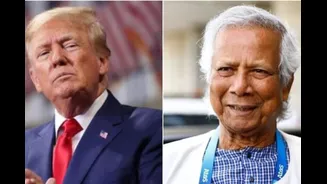
Former President Donald Trump, in recent remarks, has indicated a willingness to consider limits on the Second Amendment. He stated, 'You can't have guns,'
signaling a possible shift in his stance on gun control. This declaration has ignited significant discussions, particularly given his past advocacy for gun rights and his association with the Republican Party, which generally opposes stricter gun laws. Trump's remarks, made during a period of heightened political tension, have been interpreted by some as a strategic move to appeal to a broader electorate or as a reflection of evolving views on the necessity for firearms restrictions in the United States. His shift highlights the complex relationship between political maneuvering and deeply rooted constitutional rights. The potential for such a change presents challenges for both sides, with debates about the balance between public safety and individual liberties.
The Repeal Question
The Second Amendment, as enshrined in the U.S. Constitution, states that the right of the people to keep and bear arms shall not be infringed. The fundamental question following Trump's comments is whether this amendment can be repealed. The process is extraordinarily complex, requiring the support of two-thirds of both the House of Representatives and the Senate, followed by ratification by three-quarters of the states. Such a feat is considered incredibly difficult due to the broad, fervent support for gun rights across America. The legal challenges would be substantial, given the ingrained interpretation of the right to bear arms throughout the country’s history. Moreover, any move to repeal the amendment would likely trigger intense social and political division. The mere suggestion of repeal highlights the contentious nature of gun control in the United States, sparking an intense dialogue concerning the balance between individual liberties and collective safety.
Legal & Political Landscape
The political and legal environments surrounding gun control are intricate. Legal experts widely agree that any attempts to limit gun ownership face significant resistance. The Supreme Court plays a central role in interpreting the Second Amendment, with its rulings providing a framework for the regulation of firearms. The courts have historically taken a varied approach to this. Some interpretations see the right to bear arms as an individual right, while others interpret it as linked to militia service. These different understandings shape the kinds of legislation that are viewed as constitutionally permissible. Political discussions about gun control often highlight various elements, like background checks, restrictions on certain types of weapons, and red flag laws. These are all contentious and face resistance from gun rights advocates who believe that such measures will violate the rights of lawful gun owners. The interplay of legal precedent, political ideology, and public opinion shapes the ongoing gun control debate.
Impact & Implications
Trump's statements and any subsequent policy proposals have significant impacts. His shifting stance on the Second Amendment could reshape the political dynamics around gun control. It might prompt a reevaluation of Republican positions on gun laws. His comments could also affect voting behavior, especially among those who consider gun rights a priority. A significant change to the Second Amendment would have far-reaching effects. It could affect the relationship between the federal government and states. It would also likely influence the interpretation of other constitutional rights. These changes are expected to involve considerable social and legal disruption. Any restrictions or limitations could result in lawsuits challenging their constitutionality. These developments underline the necessity for carefully considered policy-making. It is also important to take into account the diverse perspectives and concerns involved.