




A Calculated Concession
In a significant diplomatic overture, Iran has indicated a readiness to moderate the purity of its uranium enrichment program, specifically to a 60% level.
This potential concession is directly tied to the prospect of sanctions relief, a crucial objective for Tehran's economy which has faced considerable strain due to years of international economic penalties. The decision hinges on the extent of economic benefits Iran would receive, including the scope of sanctions lifted, whether those imposed by the United States or broader global measures. This strategic move underscores Iran's primary aim: to secure economic improvement rather than a fundamental shift in its nuclear stance. Iranian officials are meticulously assessing the potential impacts on vital sectors such as fuel availability, international trade, banking accessibility, and oil exports before committing to any reduction in its nuclear activities. The process of dilution, in nuclear terms, involves blending higher-grade uranium with less enriched material to reduce its overall purity. Iran currently holds a unique position among non-nuclear nations by producing uranium enriched to 60%, a level that significantly narrows the technical gap to material suitable for nuclear weapons. This capability has become a focal point of contention in negotiations, heavily shaped by stringent demands from the U.S. administration.
Navigating Diplomatic Waters
The current diplomatic landscape is characterized by intensified communication channels, notably through intermediaries in Oman, where facilitated talks between Iranian and American representatives are taking place. Senior figures within Iran's security apparatus are reportedly preparing to convey key messages concerning enrichment thresholds, the specifics of sanctions relief, and verifiable mechanisms for monitoring. This form of backchannel diplomacy highlights the tense atmosphere that has developed over years of escalating threats, stringent sanctions, and military pressures during the tenure of the current U.S. presidency. Iranian foreign policy officials emphasize the seriousness and outcome-oriented nature of these discussions, signaling a genuine willingness to achieve an agreement that safeguards Iran's sovereign rights to nuclear technology for peaceful purposes while simultaneously securing much-needed economic respite. However, a deep-seated mistrust of Washington persists, stemming from past withdrawals from agreements and the subsequent imposition of expanded sanctions. Within Iran's leadership circles, these negotiations are viewed as a rare opportunity for a balanced settlement. Policymakers are actively seeking robust assurances that any sanctions removal would be permanent, enforceable, and insulated from potential future political shifts in the United States, ensuring long-term economic stability and predictability.
Coercion vs. Negotiation
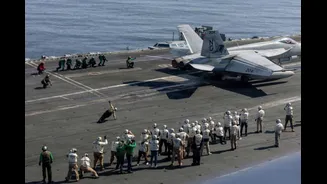
Concurrently, the U.S. President continues to frame the ongoing negotiations through a lens of coercion, publicly portraying Iran as being under intense pressure and warning of severe repercussions should an agreement fail to materialize. Military deployments, such as the positioning of carrier strike groups and naval assets across the Middle East during previous periods of heightened confrontation, form a significant part of the psychological backdrop against which these talks are unfolding. Despite this, observers tracking the dialogue detect subtle progress and a movement towards a preliminary understanding when compared to earlier phases. Messages being exchanged through Gulf nations carry a tone that is described as cautious yet positive, with regional mediators actively working to translate broad political discussions into concrete negotiations. These detailed talks are focusing on critical issues, including the precise limits on Iran's uranium enrichment activities, the protocols for international nuclear inspections, and a phased approach to the gradual lifting of sanctions. The careful optimism suggests that while underlying tensions remain, the parties are engaging in substantive discussions aimed at finding common ground and achieving a resolution.