








Deceptive Appearances
Many animals, owing to their unassuming appearances, conceal a perilous nature. These animals, which may seem harmless at first glance, possess unique
abilities or behaviors that make them remarkably dangerous to humans. Their capacity for causing harm often arises from potent venom, stealthy hunting techniques, or territorial aggression. This segment introduces the animals that may not initially appear threatening, but are quite capable of causing significant damage. Understanding these creatures is essential for those who interact with wildlife.
The Poison Dart Frog
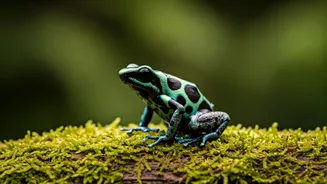
The Poison Dart Frog presents a striking example of nature's deceptive beauty. These small, vividly colored amphibians, found in the rainforests of Central and South America, are among the most toxic creatures on Earth. Their vibrant hues serve as a warning, signaling the presence of potent poison secreted through their skin. Contact with just a tiny amount of this poison can be extremely harmful, causing paralysis or even death. This showcases the significance of appreciating the animal world, where beauty can be a facade concealing extreme danger. The frog's beauty, while captivating, serves as an indication of its danger, making it an animal best admired from a safe distance.
The Cone Snail
Cone Snails, found in warm ocean waters, are another example of a deceptively dangerous species. These beautifully patterned marine snails employ a complex hunting strategy, using a venomous harpoon-like structure to capture prey. This venom, which can be fatal to humans, delivers a potent cocktail of toxins that can quickly paralyze and kill. While these snails' shells are commonly collected for their aesthetic value, touching them can be highly dangerous. Cone Snail encounters highlight the importance of recognizing potential risks in diverse marine habitats and avoiding contact with unfamiliar creatures to ensure safety while enjoying the beauty of the underwater world.
The Box Jellyfish
The Box Jellyfish is well-known for being one of the most venomous marine animals. With its nearly transparent, box-shaped bell and numerous tentacles, it is difficult to spot in the water. These tentacles are covered with nematocysts, which inject venom upon contact. Box jellyfish stings are excruciatingly painful and can be deadly to humans. Immediate medical attention is essential for treatment. Their presence in coastal waters underscores the need for vigilance and precautions when swimming or diving in areas known to be populated by them. Being aware of the dangers these creatures pose can significantly decrease the risks associated with marine activities.
The Pufferfish
Pufferfish, also known as fugu, are popular in Japanese cuisine, but they are also exceptionally dangerous. Their bodies contain tetrodotoxin, a potent neurotoxin that is lethal to humans if ingested. Preparing pufferfish is a complex task requiring specialist skills to ensure the toxin is removed. Despite the inherent risk, the unique taste of pufferfish is highly valued in some cultures. This situation demonstrates the fine line between culinary appreciation and potential risk. Thorough understanding and careful handling are required to safely enjoy this unusual delicacy, highlighting the need for vigilance when dealing with unusual and potentially harmful animals.
The Hippopotamus
Despite their seemingly clumsy appearance, Hippos are among the most dangerous animals in Africa. These large semi-aquatic mammals are highly territorial and aggressive, particularly when they feel threatened or when protecting their young. They possess powerful jaws and sharp teeth, and are capable of attacking boats and humans with little provocation. The hippopotamus is responsible for a significant number of human fatalities each year, emphasizing that their seemingly docile image is misleading. When visiting regions with hippos, it is vital to keep a safe distance and heed local warnings to prevent risky interactions with this dangerous creature.
The Slow Loris
Slow Lorises are the only venomous primates. These small, nocturnal creatures appear endearing with their big eyes, but they possess a dangerous defense mechanism. When threatened, they lick a gland on their arm, mixing the secretions with their saliva to create a potent venom. A bite from a Slow Loris can cause significant pain and allergic reactions in humans. The slow movements and adorable faces of these primates conceal their danger, and their bite can be very harmful. This highlights the hidden threats in the animal kingdom, where a cute appearance does not guarantee safety. Caution is advised when interacting with them to avoid unwanted interactions.