



Why Choose Bands?
Resistance bands present a practical and accessible approach to home fitness, particularly beneficial during winter when outdoor activities are less appealing.
They provide a adaptable form of resistance, allowing for a wide range of exercises that cater to different fitness levels. Resistance bands are lightweight and portable, making them easy to store and use anywhere. They also offer a low-impact workout, reducing the stress on joints while still effectively building muscle strength and improving flexibility. Their versatility is a significant advantage, as they can be used for everything from rehabilitation exercises to intense strength training routines. Resistance bands are also cost-effective, offering a budget-friendly option for home workouts compared to other fitness equipment. Incorporating resistance bands into your exercise routine enables a thorough workout without needing a lot of space or expensive equipment. Whether you're a beginner or an experienced fitness enthusiast, resistance bands provide an effective and convenient way to stay active and healthy throughout the year.
Top Band Features Explored
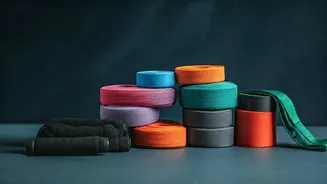
Several features distinguish top-rated resistance bands, enhancing their effectiveness and user experience. The material quality is crucial; look for bands made of durable, high-quality latex or rubber, resistant to snapping or tearing. Different resistance levels are another key feature, allowing users to progressively increase the intensity of their workouts. Bands are often color-coded, making it easy to identify the varying levels of resistance. Length and width also matter, providing the required flexibility for various exercises and body sizes. Many bands include built-in features like handles, ankle straps, or door anchors, increasing the exercise possibilities and making them suitable for a broader variety of exercises. Some bands come with added features such as anti-slip designs or integrated measurement markings for easier and safer workouts. Considering these factors ensures that you select bands that are durable, effective, and well-suited for your particular fitness needs. Investing in quality resistance bands will maximize the benefits and reduce the likelihood of needing replacements soon.
Band Exercise Ideas
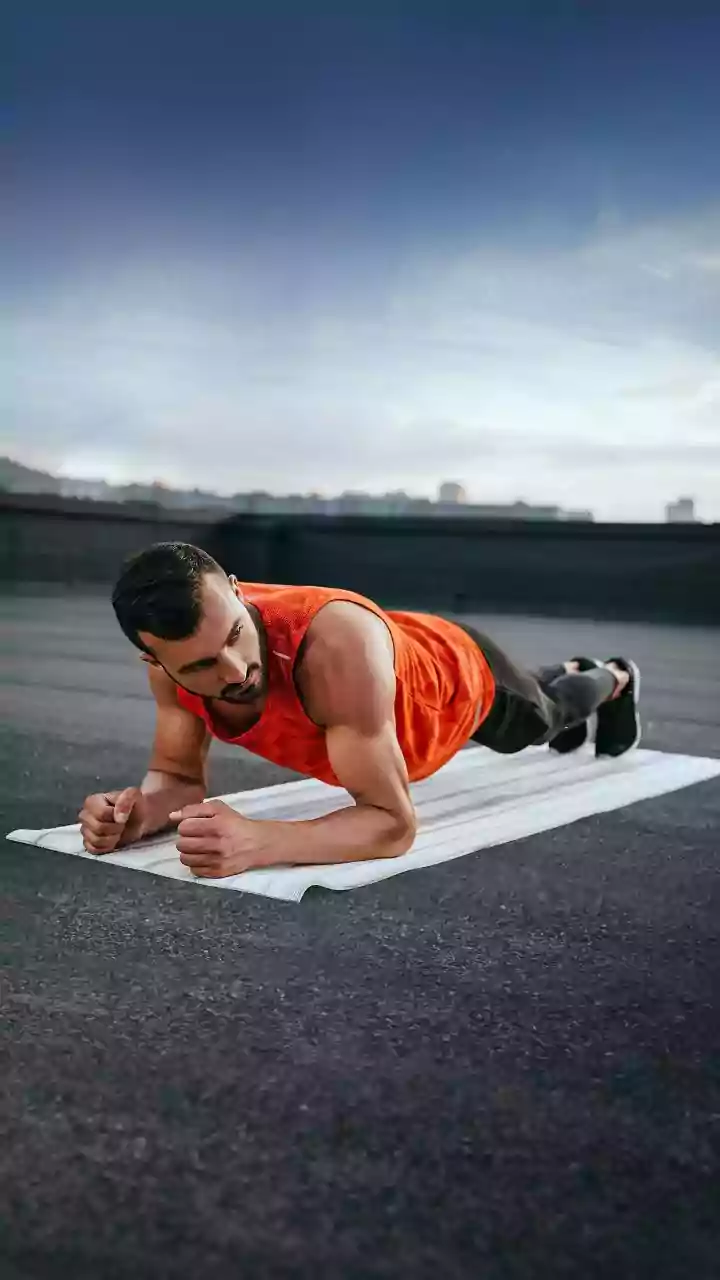
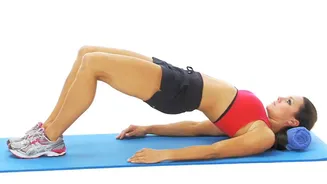
Resistance bands unlock a vast array of exercises, suitable for every fitness level and goal. For upper body strength, exercises like bicep curls, tricep extensions, and lateral raises are incredibly effective. Place your foot on the band while doing curls, use them for chest presses by anchoring the band, and for lateral raises anchor the band under your feet. Lower body workouts can include squats, glute bridges, and hip abductions. Squat with the band wrapped around your thighs, do glute bridges by placing the band above your knees, and for hip abductions, anchor the band under your feet. Core strengthening is also easily achievable with resistance bands; consider exercises like Russian twists and planks with band resistance. Russian twists help build core strength using resistance bands for an added challenge. Planks with the band help by holding them with your hands while anchored. These are just some of the exercises you can do. By incorporating these exercises, resistance bands become a versatile and efficient tool for a full-body workout. Remember to adjust the resistance to match your strength and focus on proper form for the best results.
Band Safety Tips
Prioritizing safety during resistance band workouts is essential for avoiding injuries and maximizing effectiveness. Begin by inspecting your bands for any signs of wear and tear, such as cracks or fraying, and replace them immediately if damage is found. Always warm up before beginning your exercise routine. Correct form is also critical; maintain good posture, and control each movement throughout the exercise. Choose the right resistance level for your fitness level, starting with a lower resistance and increasing as you gain strength. Make sure your anchor points are secure when utilizing door anchors or other attachment methods. Never stretch bands beyond their recommended limit, as this could cause them to snap. Regularly check the bands for wear and tear, and store them away from direct sunlight and extreme temperatures, which can reduce their lifespan. By keeping these safety precautions in mind, you can safely enjoy the benefits of resistance band exercises while minimizing the risk of injury, allowing for a sustainable fitness routine.
Selecting the Right Bands
Choosing the suitable resistance bands involves evaluating several factors to meet your personal fitness goals. Assess your current fitness level, considering how much resistance you can handle comfortably. Beginners should begin with lighter resistance bands and gradually increase the intensity. Think about the exercises you intend to perform; different exercises require varying band types or resistance levels. Look for bands made from high-quality materials, such as latex or rubber, to make sure they are durable. Determine the length and width of the bands needed for your exercises, considering your height and arm length. Review the included accessories, such as handles, ankle straps, or door anchors, which can significantly broaden your exercise options. Read customer reviews to understand the experiences of other users and gather insights into the quality and effectiveness of the bands. Look into the brand's reputation and ensure they provide detailed information. By considering these points, you can choose resistance bands that align with your fitness goals and offer a satisfying and effective workout experience.