



The Tweet That Sparked
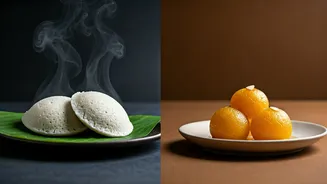
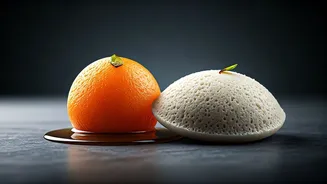
A seemingly innocuous social media post set off a culinary storm by declaring that rasgulla is merely an idli submerged in sugar syrup, labeling the popular
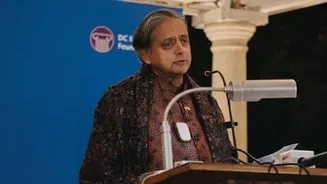
Bengali sweet as an overhyped dessert. This bold assertion quickly captured attention, eventually prompting a detailed and characteristically eloquent response from politician and author Shashi Tharoor. Known for his precise language and insightful commentary, Tharoor found himself addressing what he deemed a 'profound cosmological misunderstanding' rather than just a simple culinary error. The comparison, in his view, failed to acknowledge the fundamental distinctions in ingredients, preparation methods, and the very essence of these two cherished Indian food items. The debate highlighted how easily culinary lines can be blurred in online discourse, prompting a need for clarification.
Distinct Culinary Identities
Tharoor meticulously broke down the vast differences between rasgulla and idli, emphasizing their unique origins and characteristics. He described rasgulla's core ingredient, chhena, as the delicate and pristine curd derived from milk, a light and airy component. In stark contrast, he defined idli as being crafted from a meticulously fermented batter, a blend of parboiled rice and black gram. This foundational difference in their primary constituents places them, according to Tharoor, in 'entirely different kingdoms' of the culinary world. The textural and flavor profiles stemming from these distinct ingredients are inherently dissimilar, making any direct comparison inaccurate and lacking in appreciation for each dish's specific culinary craft and heritage.
Idli: A Biotechnological Marvel
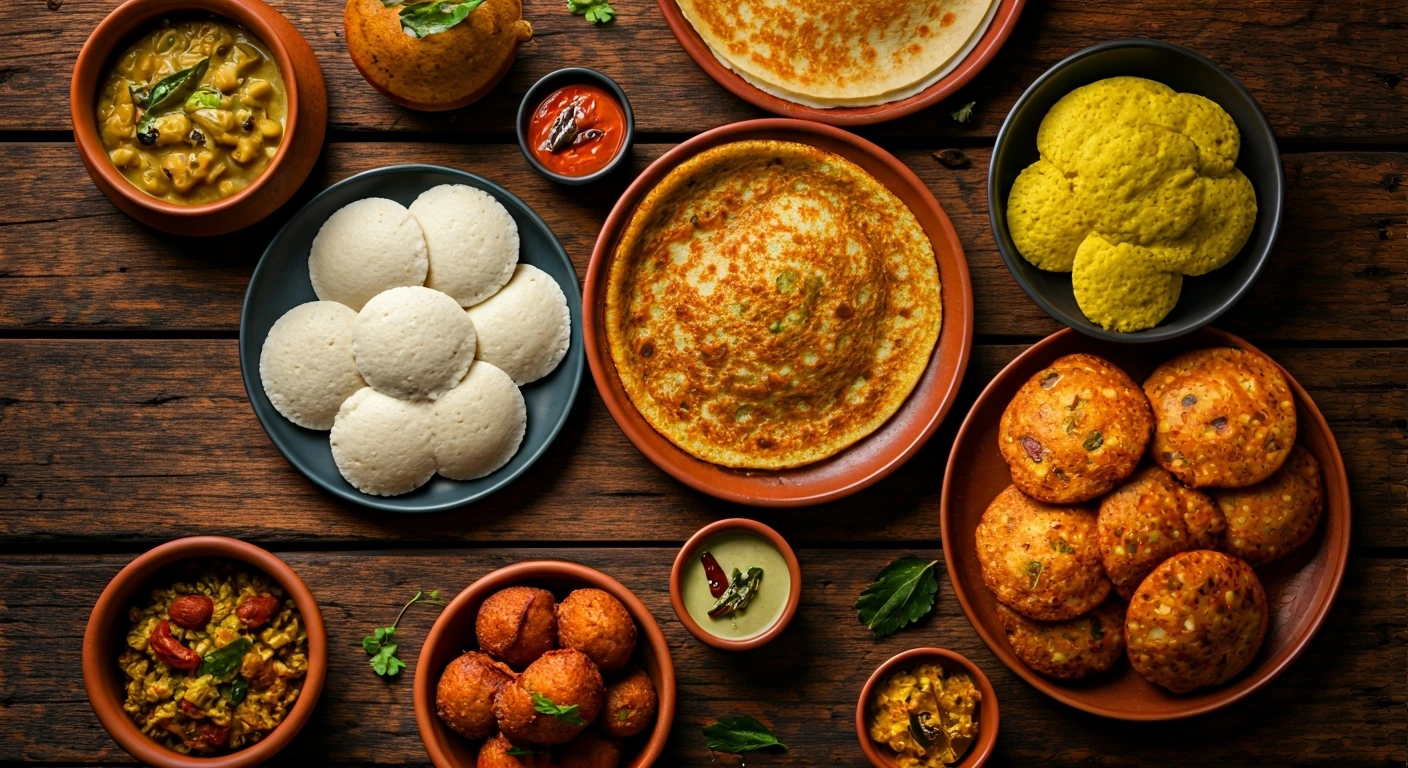
Beyond simply refuting the comparison, Tharoor offered a glowing tribute to the South Indian staple, the idli, hailing it as a remarkable feat of culinary engineering. He lauded it as a 'masterclass in biotechnology,' underscoring the sophisticated fermentation process that gives idli its characteristic texture and lightness. This natural biological transformation, driven by 'delicate microflora of wild fermentation,' creates what he poetically termed a 'steamed cloud.' This preparation symbolizes not only gut health and nutritional balance but also represents a 'savoury monolith of South Indian culinary genius.' Tharoor highlighted that the idli's perfection lies in its intrinsic qualities and its intended pairings, not in being a base for sweet syrups.
Upholding Culinary Dignity
A central point of Tharoor's argument was the inherent dignity of the idli, asserting that suggesting it be dipped in sugar syrup fundamentally misunderstands its role and perfection. He explained that the idli is 'perfectly engineered' to complement savory accompaniments such as sambar, molaga podi, or sesame oil, and even melted ghee. Its structure and flavor profile are designed for these specific pairings, making the idea of submerging it in a sweet syrup a disservice to its culinary design. Tharoor concluded by urging the original poster to critique the rasgulla on its own merits, such as its sponginess or sweetness, but to refrain from incorporating the 'noble, perfectly fermented, steamed majesty of the Idli' into such dessert-centric discussions.