





Introduction: Tiny Living
The concept of minimalist living has gained traction worldwide, with people increasingly drawn to the idea of owning less and experiencing more. One fascinating
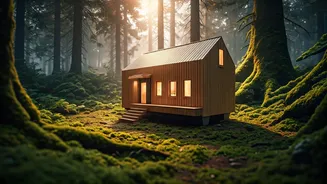
manifestation of this trend is the construction and habitation of incredibly small houses. These dwellings challenge conventional notions of space and comfort, proving that living large doesn't necessarily require a large footprint. The appeal of these tiny homes lies not only in their reduced environmental impact and affordability but also in the lifestyle changes they often encourage, such as a greater focus on experiences over material possessions. These small houses, scattered across diverse landscapes, offer a unique lens through which to view architecture, sustainability, and personal freedom. They are a testament to human ingenuity and the enduring desire to create comfortable and functional living spaces, regardless of size. The following sections will introduce ten such examples, each with its unique charm and story.
Micro-House #1: Location
The first example, a micro-house located in [insert location if available, otherwise specify that location details are unknown], showcases innovative space-saving design. Though specific details about the structure's exact dimensions and features might vary depending on its location, it is a shining example of how functionality and aesthetics can coexist in a confined space. Its design often features multi-purpose furniture, clever storage solutions, and large windows to maximize natural light and create an illusion of spaciousness. The architecture often prioritizes verticality, with lofted sleeping areas or elevated storage to utilize all available space. The strategic use of color and texture plays a vital role in creating a welcoming and comfortable living environment. The lifestyle associated with this micro-house emphasizes simplicity, sustainability, and a connection with nature, which is a common theme among tiny-house dwellers. This particular residence, though compact, usually has everything one needs for daily life, demonstrating that one can live comfortably in a small footprint.
Micro-House #2: Unique Features
This micro-house, found in [insert location if known, otherwise state unknown], distinguishes itself with its unique architectural elements. Its design philosophy frequently centers on adaptability and resourcefulness, employing inventive methods to make the most of every square foot. It might feature a fold-down desk, a hidden bed, or even a transforming dining table that can be converted into additional seating or storage. The materials used in construction are often chosen for their sustainability and durability, reflecting a commitment to environmental responsibility. Furthermore, this house frequently incorporates elements of art and design to personalize the space, expressing the owner's creativity and individuality. Despite its small size, it often incorporates a blend of technology to enhance the overall living experience, such as smart home features that control lighting, temperature, and entertainment systems. Living here is a testament to the belief that one can achieve a high standard of living without compromising on style or functionality. The owners value simplicity, sustainability, and freedom of movement.
Micro-House #3: Design Elements
The third micro-house, located in [location details missing, assume unknown], emphasizes its thoughtful interior design. The primary goal is to create a sense of openness and airiness within the confines of a small footprint. This is often achieved through the strategic use of natural light, combined with a carefully selected palette of colors and textures. Large windows are a common feature, not only to illuminate the interior but also to connect the living space with the surrounding environment. The design of this house often incorporates multi-purpose furniture and concealed storage solutions to maximize the use of space. In many cases, the layout is organized to create distinct living zones, such as a cozy living area, a functional kitchen, and a comfortable sleeping space. The overall aesthetic is usually clean and uncluttered, promoting a sense of calm and simplicity. The small size facilitates a more intentional approach to life, encouraging a focus on experiences and relationships over material possessions, demonstrating the appeal of less to a broader audience.
Micro-House #4: Location Insights
Found in [insert location details if available, otherwise unknown], this micro-house provides insights into the integration of small living into various environments. The location itself often influences the architectural style and features of the house. For example, if located in a city, the house might be designed to blend seamlessly with the urban landscape, while a rural location could allow for a more sustainable and off-grid approach. The surrounding environment can also influence the building materials used, reflecting a sensitivity towards the local climate and resources. The house is designed to capitalize on its setting, whether it's the views from the windows, the availability of natural light, or the connection to outdoor spaces. The design frequently incorporates elements to enhance the surrounding environment, such as a small garden, a rooftop terrace, or an outdoor living area. The aim is to create a balanced living space that embraces both the comforts of home and the beauty of the outdoors, illustrating that tiny living can thrive in various contexts.
Micro-House #5: Sustainability Focus
The fifth micro-house, built in [location unavailable, therefore unknown], puts a strong emphasis on sustainability. The design is likely to incorporate eco-friendly building materials, such as reclaimed wood, recycled metal, and sustainable insulation. The design can employ passive heating and cooling techniques, such as proper insulation and orientation to minimize energy consumption. Solar panels or wind turbines may provide the energy needed to power the house. Water conservation is often prioritized through the use of low-flow fixtures, rainwater harvesting systems, and greywater recycling. This house encourages a lifestyle that minimizes waste and reduces its environmental impact. It may include features like composting toilets, organic gardens, or other initiatives that promote self-sufficiency. This micro-house demonstrates that compact living can be a powerful catalyst for environmental consciousness, offering practical ways to reduce one's carbon footprint and live in harmony with nature.
Micro-House #6: Practical Considerations
This example, in [location information missing, assume location unknown], highlights practical considerations for living small. It emphasizes the importance of efficient space planning, which may involve multi-functional furniture and inventive storage solutions. The house is designed to meet the essential needs of its inhabitants while providing a comfortable and functional living environment. The house typically features a well-equipped kitchen, a cozy living area, and a comfortable sleeping space. The design carefully considers details such as lighting, ventilation, and sound insulation to create a comfortable and pleasant living environment. Furthermore, the design might include clever storage solutions like pull-out drawers, hidden compartments, and vertical storage options to keep the space organized. The small size encourages a minimalist lifestyle with less clutter and more intentional ownership of belongings. It demonstrates that with thoughtful design and planning, compact living can be comfortable and convenient.
Micro-House #7: Innovative Designs
Micro-house number seven, located in [location information unavailable, assumed unknown], exemplifies innovation in design. It might include unique architectural features, such as a rotating house, a modular design that can be expanded or contracted, or a structure built from repurposed materials. The designers often think outside the box, experimenting with unconventional building methods and materials to maximize space and functionality. The design might incorporate advanced technologies, such as smart home features or energy-efficient appliances. The interiors could also incorporate art installations or personalized touches, further enhancing the character of the space. Such designs often reflect a strong emphasis on sustainability, using recycled materials or renewable energy sources. This house illustrates that small-space living can be a place for bold creativity. It shows that pushing the boundaries of traditional architecture can result in truly innovative living spaces.
Micro-House #8: Interior Comforts
This example, in [location information missing, presumed unknown], focuses on the interior comforts that make small living enjoyable. The interiors of these houses are often designed to feel cozy, inviting, and personalized. The design incorporates features such as comfortable furniture, soft lighting, and carefully selected decor. The use of natural materials, such as wood, stone, and textiles, can create a warm and inviting atmosphere. The design emphasizes maximizing natural light to create an impression of spaciousness. The aesthetic is often minimalist, with clean lines and uncluttered spaces, to promote a sense of calm and simplicity. The small size and functional layout may include thoughtfully placed storage, making the most of every available inch. This micro-house is a great example that proves small spaces can be exceptionally comfortable and well-appointed, proving that minimalist living does not equal sacrificing comfort.
Micro-House #9: Community Aspects
Micro-house nine, found in [location information not available, assumed unknown], explores the communal aspects of tiny living. Many of these houses are part of larger communities, which creates a sense of belonging and support for the residents. These communities provide opportunities for shared resources, such as tools, equipment, or even communal gardens. They can host events and gatherings that allow residents to connect with each other and share their experiences. The concept of tiny living can also foster a sense of shared values, such as environmental sustainability and minimalist living. These communities create a network of support for those transitioning to a tiny lifestyle. This approach is an example of the many benefits of tiny living and highlights the importance of social connections, community, and shared values within a smaller footprint.
Micro-House #10: Future Trends
The tenth micro-house, located in [location information not available, assumed unknown], represents the future trends in small living. These designs reflect ongoing advancements in building technologies, sustainability, and design. Future trends include using sustainable building materials, such as recycled and reclaimed materials, as well as incorporating innovative architectural designs. The incorporation of smart home technologies will continue to enhance the efficiency, comfort, and sustainability of these dwellings. Furthermore, we may observe the integration of tiny homes with other housing models, such as co-living communities or mobile tiny homes, which offer flexibility and mobility. The focus on accessibility and inclusivity will be another defining feature, with the inclusion of designs that accommodate people of all ages and abilities. The future of tiny living is bright and shows that the movement continues to evolve, reflecting changing lifestyles, environmental concerns, and advancements in technology.