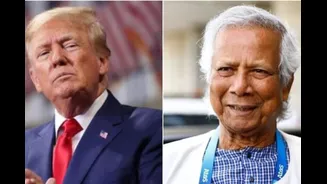

US Withdrawal's Impact
The United States' decision to withdraw from certain global organizations acted as a catalyst for Israel's strategic reassessment. This action created
a ripple effect, prompting Israel to evaluate its relationships within these international structures. With the US no longer a participant, Israel saw an opportunity to redefine its involvement, considering both the benefits and potential drawbacks of continued association. This period was marked by careful deliberation, weighing diplomatic ties and the evolving international landscape. The context of the US's departure changed the power dynamics and presented a crucial juncture for Israel to strategize its stance on global platforms and alliances.
Severed Ties Announced
Subsequently, Israel declared the termination of its connections with three prominent global organizations. This announcement indicated a strategic shift, underscoring the government's commitment to aligning its international relations with emerging geopolitical realities. Details about which specific organizations were affected were made public, highlighting the scope and impact of these decisions. The decision to cut ties was not taken lightly, reflecting careful evaluation. This decisive step signaled Israel's intention to reshape its relationships, prioritizing those that best serve its national interests. This demonstrated a proactive approach to managing its international presence and adapting to the evolving global environment.
Motivations Behind Action
Several driving factors influenced Israel's decision to sever ties with these organizations. A key motivation was the changing geopolitical landscape, where new alliances and shifting allegiances necessitate careful navigation. Israel sought to ensure its position in an increasingly complex world. Another important factor was the desire to realign its international relationships. This approach allowed Israel to focus on collaborations that were both strategic and mutually beneficial. These actions demonstrated a proactive attempt to shield its interests, including those related to security and diplomacy, against the backdrop of shifting global dynamics. The choices were clearly linked to Israel's overall foreign policy strategy.
Strategic Repercussions Analyzed
The repercussions of Israel's move extended beyond the immediate impact, triggering analysis of potential long-term strategic outcomes. This involved a detailed assessment of how these decisions could reshape Israel's international standing and its ability to engage with other nations and global bodies. The move prompted a review of the nation's diplomatic ties, including a reevaluation of partnerships and collaborative initiatives. The strategic impact also included a reassessment of its participation in global forums. This strategic move prompted discussions about how it might influence Israel's capacity to navigate complex geopolitical challenges. The assessment focused on managing potential ramifications and maximizing the benefits of the strategic shift.
Future International Relations
Looking ahead, Israel's shift offers a glimpse into how it envisions its future international relations. The move is expected to shape future diplomatic efforts and strategic alliances. This includes the exploration of new partnerships and the strengthening of existing ties with countries that align with Israel's evolving geopolitical objectives. Israel's leadership aims to solidify its position on the global stage, promoting its interests while contributing to international efforts. These actions indicate a proactive attempt to enhance Israel's standing and involvement in global affairs, setting the stage for future interactions.