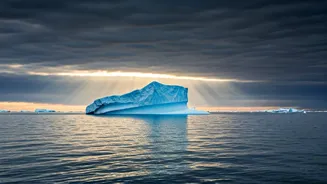

A Dream of Freedom
Greenland, a vast island nation, has long harbored dreams of complete independence from Denmark. This aspiration is rooted in a desire for self-determination
and control over its vast natural resources. However, the path to independence is not straightforward. Greenland's economy is heavily reliant on Danish support, and its political landscape is deeply intertwined with that of Denmark. The complexities of this relationship present significant challenges for Greenland's leadership as they navigate the path towards self-governance. The allure of independence is strong, but the practical hurdles of achieving it are substantial, requiring careful consideration of economic viability, political stability, and international relations.
Trump's Geopolitical Interests
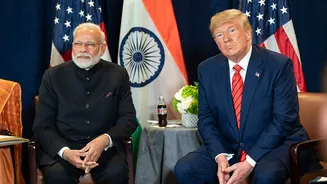
During his presidency, Donald Trump expressed interest in acquiring Greenland, an idea that sparked controversy and raised eyebrows across the globe. This interest reflected a broader strategic concern about the Arctic region and its rich reserves of natural resources. Trump’s stance injected a new dimension into the existing complexities of Greenland's political situation. His actions showcased a willingness to engage in unconventional strategies, sometimes causing friction with both Denmark and Greenland. This interest highlighted the intersection of global power dynamics, resource control, and self-determination of a nation. This also fueled discussions about the limits of national sovereignty and the impact of great power politics.
Denmark's Response and Concerns
Denmark, as the current governing power, holds a crucial role in Greenland's pursuit of independence. Any major shift in Greenland’s status requires careful negotiation and agreement between the two nations. Denmark has voiced its concerns regarding the economic stability and geopolitical implications of Greenland's independence. It recognizes the significant investments and challenges associated with Greenland becoming fully autonomous. Danish leaders have stressed the importance of a smooth transition, prioritizing a phased approach that mitigates potential risks. This is essential to protecting Greenland's welfare and managing the implications for both nations. The relationship between Greenland and Denmark is marked by a history of cooperation, mutual dependence, and complex geopolitical considerations.
Economic Realities and Challenges
Economic factors play a pivotal role in Greenland's pursuit of independence. The nation currently depends heavily on financial support from Denmark, which makes up a substantial portion of its GDP. Achieving economic self-sufficiency is a major hurdle. Greenland possesses substantial mineral resources, including rare earth elements, but exploiting these requires large-scale investments and infrastructure development. The challenges involve attracting foreign investment, navigating environmental regulations, and ensuring that economic benefits are fairly distributed among the population. Sustainable development and diversification of the economy are essential, given the harsh climate and geographical isolation, which adds to the complexities faced in the pursuit of economic independence.
Future Uncertainties Loom
Greenland's journey to independence is filled with uncertainties. The trajectory of this effort depends on factors ranging from domestic political shifts to the evolution of global power dynamics. The decisions Greenland’s leaders make now will have a lasting impact on its future. As the Arctic region gains more strategic importance, external actors are likely to exert more influence. Navigating this complex geopolitical terrain requires careful diplomacy and strategic planning. The outcome of Greenland's aspirations for independence will likely shape not only its domestic policies and international relations but also the broader dynamics of the Arctic region and beyond. The future remains unwritten, but it is clear that Greenland's story will continue to evolve, with potentially far-reaching global implications.