
Blame Directed at Trump
Amir Saeid Iravani, the Iranian Ambassador to the United Nations, has directly accused former U.S. President Donald Trump of inciting violence within Iran.
This accusation was not made lightly; it was formalized in a letter sent to the UN Security Council. The letter detailed the basis for the allegations, highlighting instances and actions that Iravani believes directly contributed to unrest within Iran. The core of the complaint focuses on Trump's actions during his presidency, specifically those which the Iranian government believes exacerbated existing tensions and possibly instigated violent incidents. The choice to formally involve the UN Security Council shows the seriousness with which Iran views Trump's alleged role. This communication is a significant diplomatic move, aiming to bring international attention and potentially invoke a response to what Iran perceives as interference in its internal affairs.
Letter to Security Council
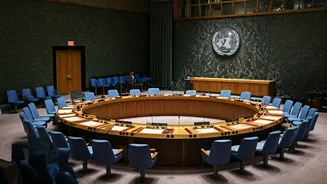
The decision to write to the UN Security Council underscores the gravity of Iran's allegations. The Security Council, comprising fifteen member states, holds primary responsibility for the maintenance of international peace and security. Addressing such an influential body signals Iran's intention to highlight the issue on a global stage. The letter likely presented detailed evidence, including specific events, statements, and actions by Trump and his administration. The precise content of the letter remains crucial in understanding the specific charges against Trump. This move could also be seen as an effort to gather support from other nations and potentially prompt an international response. The Security Council, upon review, has the ability to discuss the matter, issue statements, and, in severe cases, impose sanctions or other measures. This action by Iran marks a critical point in the relationship between the two nations, adding a fresh layer of complexity to their already intricate history.
Contextual Background Analysis
Understanding the backdrop to these accusations is key to appreciating their significance. The relationship between Iran and the United States has been strained for decades. Following Trump’s decision to withdraw the U.S. from the Joint Comprehensive Plan of Action (JCPOA), also known as the Iran nuclear deal, tensions soared. Trump subsequently reinstated sanctions against Iran, severely impacting the nation's economy and contributing to the political climate. Concurrently, incidents of unrest within Iran increased, including protests, which provided the context for Iravani's accusations. This tumultuous period created an environment where accusations could thrive. The interplay of international sanctions, domestic dissatisfaction, and perceived foreign interference has contributed to ongoing instability. Thus, Iravani's letter should be examined against the backdrop of this complex historical interaction between Iran and the U.S., marked by mistrust and a series of actions that significantly increased tensions between the two nations.
Potential Repercussions Explored
The implications of Iravani's accusations extend beyond mere rhetoric. If the UN Security Council chooses to formally investigate and support Iran's claims, it could open a can of worms, potentially worsening relations with the U.S. Such a scenario might involve discussions, condemnation, or even demands for accountability. For the U.S., the ramifications could involve increased diplomatic isolation or even legal actions in international courts. Conversely, should the Security Council side with the U.S. or remain inactive, Iran might experience setbacks in its diplomatic pursuits. It is important to note that any action taken by the Security Council is influenced by the political dynamics of its members, including the permanent members with veto power. The Security Council's decision will have a domino effect on the Middle East region, potentially influencing regional alliances, and overall stability. Hence, the outcome of the UN's response could have far-reaching effects on international politics and the dynamics between the countries involved.
Moving Forward: Analysis
As this international drama unfolds, various aspects warrant consideration. Firstly, it is crucial to analyze the specific details within Iravani's letter, to fully grasp the scope and depth of the allegations. Secondly, it is important to observe the response of the UN Security Council and how its member states respond to the accusations. Thirdly, assessing the U.S.'s reaction is key; any statements or actions from the former President, as well as the Biden administration, will be closely scrutinized. Fourthly, it is important to understand the role of other influential nations. Any alliances or divisions within the Security Council or among major global powers will significantly affect the outcome. Lastly, following public and media discourse is essential to keep a pulse on worldwide views and reactions. By evaluating all these elements, it will be possible to arrive at a thorough understanding of this escalating situation and its potential impact on international relations. Therefore, the situation is one which requires careful observation and objective analysis from everyone.