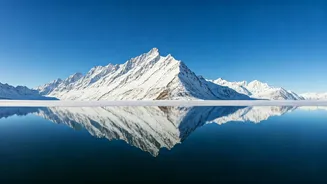

Global Beauty Overview
The concept of beauty in a country is incredibly subjective, often tied to personal preferences and experiences. However, certain countries consistently
capture the imagination with their striking natural features, vibrant cultures, and historical significance. When creating lists of the most beautiful countries, factors such as diverse landscapes, including mountains, coastlines, and forests, play a crucial role. Cultural heritage, encompassing architecture, traditions, and the warmth of the people, also significantly contributes to a country's allure. Climate considerations, which affect the landscape and the overall experience, are equally vital. These components combine to create a lasting impression, shaping the perception of a nation as beautiful and worthy of exploration. Each country on such lists offers a unique blend of these elements, making the evaluation a captivating process of comparison and discovery.
India's Natural Splendor
India's inclusion on a list of the world's most beautiful countries underscores its extraordinary diversity. The country boasts an impressive range of landscapes, from the towering Himalayas in the north, offering awe-inspiring views and challenging treks, to the sun-kissed beaches of the south. Central India presents lush forests and wildlife sanctuaries, while the western region features the vast Thar Desert and the dramatic Western Ghats. This geographical variety provides a wealth of visual experiences, ensuring there's something to capture the imagination of every visitor. The presence of varied ecosystems contributes significantly to India's beauty. Each region of India tells a unique story, blending natural marvels with a deep sense of cultural heritage.
Cultural Heritage Deep Dive
India's rich cultural heritage amplifies its natural beauty. The country is a tapestry of traditions, with historical sites that reflect various empires and artistic influences. Ancient temples, such as those found in Tamil Nadu, showcase intricate carvings and architectural prowess, while the Mughal palaces, like the Taj Mahal, stand as testaments to architectural brilliance and romanticism. Vibrant festivals held throughout the year, such as Diwali and Holi, add bursts of color and celebratory fervor to the landscape. These festivals also provide an immersive experience for visitors, offering insights into India's customs and values. Traditional art forms, including dance, music, and crafts, further enrich the cultural landscape, providing sensory experiences that leave a lasting impact on visitors.
Top Countries Ranked
Several factors are considered when determining a list of the world's most beautiful countries. The presence of stunning natural wonders is a key consideration. Countries like Switzerland, with its dramatic Alps, and New Zealand, with its fjords and geothermal areas, often rank high. Italy’s historical beauty with its well-preserved historical architecture, artistic heritage, and picturesque coastlines, also earns it a spot. The diverse ecosystems of countries like Costa Rica, known for its rainforests and biodiversity, contribute to their visual appeal. Moreover, the cultural richness of a country, including its art, architecture, and traditions, plays a significant role. Japan, for example, combines natural beauty with its gardens and temples. These elements blend to create a diverse and compelling range of beautiful destinations.
Other Countries Listed
Additional countries consistently appear on lists celebrating beauty. The stunning fjords of Norway, known for their deep, narrow inlets, create breathtaking landscapes. Canada, with its vast wilderness and diverse national parks, offers panoramic views and outdoor adventures. The natural beauty of Australia, highlighted by the Great Barrier Reef and the Outback, attracts countless visitors. South Africa, with its varied landscapes that include mountains, coastlines, and wildlife, also secures a place. Each of these countries presents a different combination of natural and cultural marvels. These locations offer a multitude of experiences, each one showcasing a unique blend of natural and cultural heritage.
Sustainable Tourism Impact
As tourism continues to grow, it is essential to consider sustainable practices. The environmental impact of tourism, especially in beautiful locations, can be significant. Mass tourism can lead to pollution, deforestation, and damage to natural habitats. Promoting sustainable tourism involves responsible travel practices such as reducing waste, supporting local businesses, and respecting the environment. Tourists can opt for eco-friendly accommodations, reduce their carbon footprint by using public transport, and participate in conservation efforts. Implementing sustainable practices benefits both the local communities and the environment. This ensures that the beauty of these destinations can be preserved for future generations. Supporting sustainable tourism helps maintain the charm of these destinations.
Experiencing Beauty Differently
Beauty can be found in various forms, whether it is natural landscapes, cultural sites, or art forms. Everyone perceives beauty differently. For some, it might be the thrill of exploring diverse terrains, such as trekking through a mountain range. Others may find beauty in the calmness of a quiet beach or the serene atmosphere of a temple. Experiencing a country's cultural heritage through its art, architecture, and historical sites, provides another opportunity to appreciate beauty. Festivals and local traditions also provide a window into the rich cultural tapestry of a nation. These experiences allow a deeper appreciation of the destination's unique character. Personal experiences, and engaging with locals add to the richness of the journey.
Planning Your Journey
When planning a trip to one of the world's most beautiful countries, careful preparation is important. Researching the best time to visit and the specific attractions that appeal to you is a good starting point. Consider the local climate and any seasonal events, and pack accordingly. Making bookings in advance, particularly during peak seasons, is crucial to avoid disappointment. Consider the duration of the trip and build a realistic itinerary. Embrace cultural sensitivity and respect local customs. This allows for more meaningful interactions and a deeper appreciation of the destination. Be flexible in planning. Unexpected experiences can turn into some of your most precious memories. Your journey should also prioritize safety and security.
India's Unique Appeal
India's position among the world's most beautiful countries stems from its exceptional diversity. The blend of natural wonders and cultural richness is a major attraction. The Himalayas, the beaches, and the forests showcase a broad range of landscapes. From ancient temples to bustling cityscapes, there is an experience to match any visitor's tastes. The warmth of its people and the vibrant festivals add to the appeal. This variety allows visitors to experience something unique, making India a captivating destination. The country offers a rich and rewarding travel experience. India’s inclusion on the list of beautiful countries is well-deserved, reflecting its position in the world.
Preserving Global Beauty
Efforts to preserve the beauty of these global destinations are of paramount importance. These include environmental conservation and sustainable tourism practices. Governments, organizations, and individuals all have a part to play. Implementing responsible tourism, reducing pollution, and supporting eco-friendly initiatives are key steps. Protecting natural resources and promoting sustainable development ensures that the beauty of these locations is preserved. Such efforts secure the heritage for future generations. Education and awareness about environmental conservation are critical. Collaborative efforts are necessary to protect the world's most beautiful destinations and help ensure that they continue to captivate the world.