





Trade Deal Dynamics
The prospects of a trade agreement between India and the European Union have generated considerable interest on the global stage. Experts indicate that
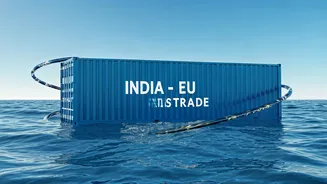
such a deal has the potential to substantially reshape the dynamics of international trade. It is anticipated that the agreement would lead to reduced tariffs and fewer trade barriers, enhancing the flow of goods and services between the two economies. This, in turn, could lead to greater economic integration, boosting growth, creating jobs, and benefiting consumers. The intricacies of the negotiations, including the specific sectors covered and the terms of the agreement, will greatly determine the precise impact, but the overall potential for a significant reshaping of global trade is evident.
Impact on Global Trade
The India-EU trade deal's influence could be felt across various sectors. For example, industries such as manufacturing, agriculture, and services are expected to experience notable changes. The reduction in tariffs and non-tariff barriers can improve access to larger markets, promoting competition and innovation. Furthermore, the deal can help strengthen supply chains by making trade more efficient. By decreasing trade costs, companies may find it easier to export and import goods, thus contributing to greater global interconnectedness. Economists and trade analysts suggest that a successful deal may also encourage other countries to pursue similar agreements, thereby promoting a more open and integrated international trading system. This development could collectively bolster economic growth on a global scale.
The Trump Factor's Role
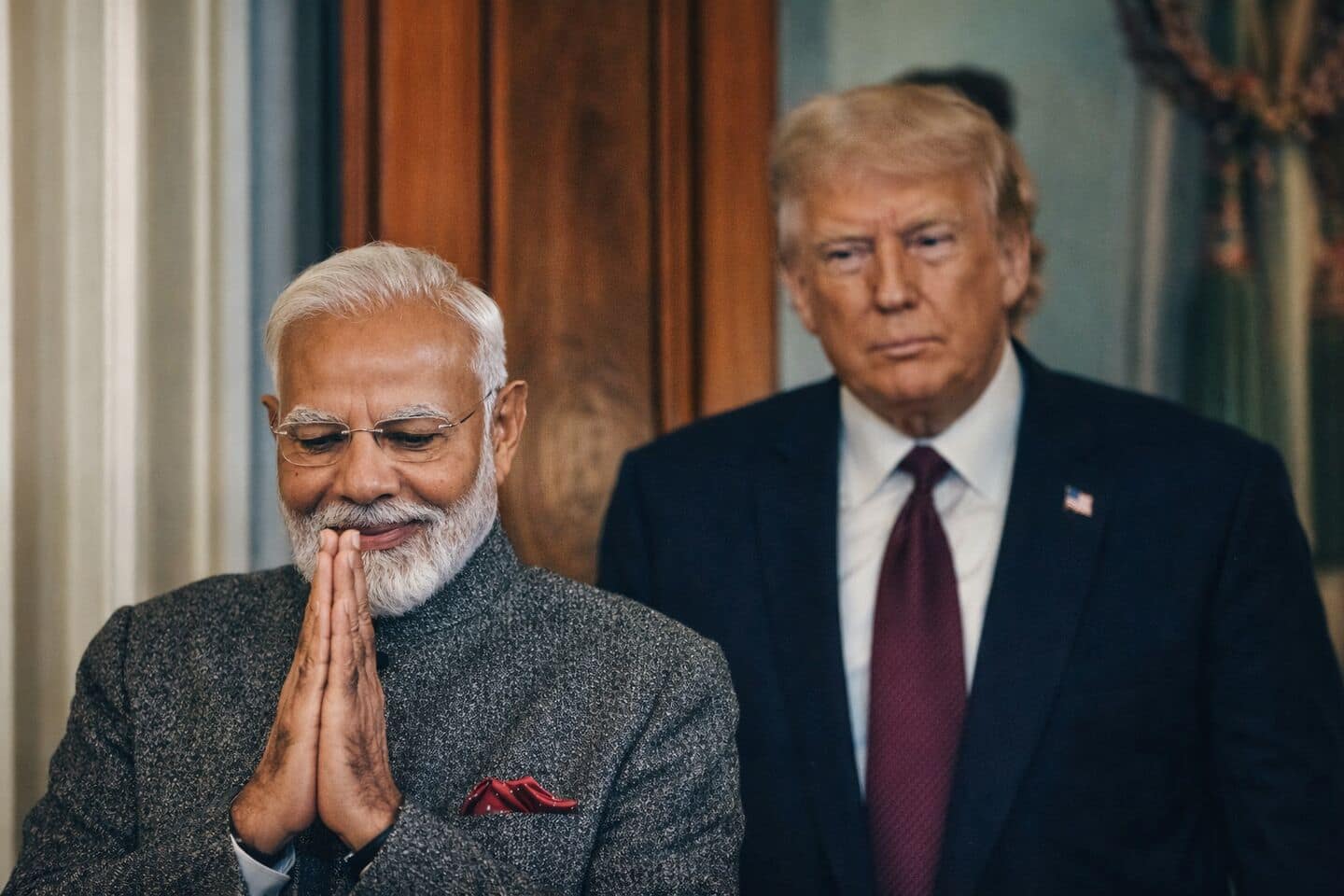
The 'Trump factor', referencing former U.S. President Donald Trump's trade policies, is an important element. His approach, marked by protectionist measures like increased tariffs, has disrupted global trade norms. The India-EU deal might be influenced by a shift towards or away from these policies. A continuation of protectionist attitudes in major economies could complicate the negotiations and limit the agreement’s scope. Alternatively, a move towards more open trade policies by key players may facilitate the deal, opening new prospects for mutual benefits. The degree to which these factors interact will likely affect the overall impact and success of the India-EU trade agreement, which experts have noted.
Benefits for India
For India, the trade agreement with the EU presents many advantages. Improved access to the European market could boost Indian exports, contributing to higher revenues and economic growth. This expansion may create new job opportunities across diverse industries, from manufacturing to services. The deal could facilitate the transfer of technology and expertise from the EU, helping India modernize its industries. Furthermore, the reduction in trade barriers can make Indian products more competitive on the global stage, attracting further investment. The focus on trade with EU countries aligns with India's broader efforts to become a major player in global commerce, which will further the country’s economic aspirations. The agreement's success also relies on India’s ability to implement needed regulatory changes and infrastructure improvements.
EU's Perspective Benefits
The European Union also stands to gain significantly from a trade deal with India. Increased access to the Indian market would create opportunities for European businesses to expand their reach and boost their profits. This increased engagement could create stronger trade ties, leading to a more diversified supply chain. Such a partnership aligns with the EU's strategic interest in fostering global trade relationships. Reduced trade barriers make EU goods and services more competitive in India, creating greater market access. Also, the agreement fosters mutual growth, aiding job creation across EU member states. The EU’s proactive approach to expanding trade links demonstrates its commitment to open markets and a rules-based global trade system, according to many policy specialists.