
Understanding Formal Shoes
Formal shoes, often essential in professional settings and at events, serve more than just a functional purpose. They are a statement of style and attention
to detail. The ideal formal shoe should blend elegance with comfort, ensuring the wearer feels confident and at ease throughout the day or evening. The construction, materials, and design elements all play crucial roles in defining a shoe's formal appeal and its suitability for various occasions. Classic designs like Oxfords and Derbys offer versatility, while the choice of leather affects longevity and appearance. Selecting the correct size and fit is also crucial for overall comfort and the shoe's appearance. Well-chosen formal shoes complement outfits, projecting a refined image and making a positive impression.
Key Features to Consider
When choosing formal shoes, several elements warrant close consideration to ensure both comfort and style. The type of leather is essential; full-grain leather is valued for its durability and luxurious feel, while other leathers offer varied textures and price points. The sole material impacts comfort and wear. Leather soles exude elegance but may require more care, whereas rubber soles offer better grip and weather resistance. The fit must be precise, so the shoes do not pinch or chafe. Proper sizing and trying shoes before purchasing are important. Consider the design – Oxfords usually have closed lacing, offering a sleeker profile ideal for formal occasions, while Derbys have open lacing, providing a bit more flexibility and are slightly less formal. The colour is another critical element. Classic black and brown shoes are safe choices. Shoes should align with the overall outfit and event requirements.
Oxford vs. Derby Styles
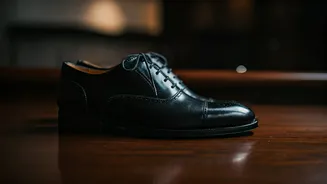
Oxfords and Derbys represent the quintessential formal shoe styles, each with its distinctive characteristics. The Oxford shoe is characterized by its closed lacing system, where the vamp (the front part of the shoe) is sewn over the top of the quarters (the back parts with the eyelets). This design gives Oxfords a sleek, streamlined appearance, making them a top choice for highly formal settings, such as business meetings, weddings, and galas. Derbys, in contrast, feature an open lacing system where the quarters are sewn on top of the vamp. This construction provides more flexibility, so Derbys are slightly more casual. They work well for both office environments and semi-formal events. Both styles come in various materials, colours, and decorative details like broguing (decorative perforations). The best choice between an Oxford and a Derby depends on the occasion's formality, personal style preferences, and overall outfit.
![[WATCH] 'Real Madrid, Ramadan and rest' - Mohammed Siraj how last-minute World Cup call-up changed February plan](https://g-mob.glance-cdn.com/public/fc/image/ByYT_LEmlrD0.webp)