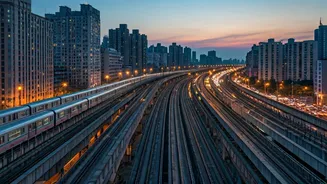







Introduction: The Commute
Commuting is a fact of life for many, yet in several Asian cities, this daily journey stretches far beyond the norm. These protracted commutes affect work-life
balance, add to stress levels, and impact personal time significantly. Factors like population density, inadequate infrastructure, and economic growth converge, contributing to these extensive travel times. The following sections will analyze ten cities known for their exceptionally long commutes, offering an understanding of what makes them stand out and what consequences this has for their residents. This information may prompt a reflection on the implications of urbanization and the importance of efficient transportation systems, shaping a better understanding of the issues involved.
Bangkok's Traffic Troubles
Bangkok, Thailand, frequently tops the list with some of the longest commute times in the world. The city's massive population, crowded streets, and limited public transport options, are key contributors to the heavy congestion. Commuters often spend hours in traffic jams, particularly during peak hours, creating a major problem. Road infrastructure struggles to keep up with urban expansion, further intensifying the problem. Furthermore, the reliance on private vehicles and the inadequate integration of public transit add to the burden. The daily commute in Bangkok is not only time-consuming but also creates a major headache for many individuals, affecting productivity and the overall quality of life.
Manila's Public Transport
Manila, the capital of the Philippines, presents its own set of challenges. The inadequate public transportation system, including overcrowded buses, jeepneys, and trains, contributes significantly to long commute times. Manila's narrow streets, high population density, and ineffective traffic management exacerbate congestion problems. Commuting in Manila can mean hours spent in crowded conditions, leading to considerable stress. Infrastructure investments aimed at improving public transportation, although underway, often struggle to keep pace with the city's rapidly expanding population. This situation underlines the urgent need for comprehensive solutions to ease the difficulties faced by commuters in Manila.
Jakarta's Gridlock Woes
Jakarta, the capital of Indonesia, faces extreme traffic congestion, making it another city with notoriously long commutes. Rapid urbanization, a growing number of vehicles, and poorly planned infrastructure all contribute to the problem. Jakarta experiences frequent gridlocks, and commute times often take up a large portion of the day. Efforts to improve the public transit system, like the introduction of the MRT (Mass Rapid Transit), are ongoing, but significant progress is still needed to alleviate the burden on commuters. Dealing with Jakarta's chaotic traffic requires patience and adaptability; the hours spent commuting affects the city's overall productivity and well-being.
Mumbai's Train Travel
Mumbai, India, is characterized by a high population density and heavy reliance on public transport, especially the local train network. While the trains offer a crucial mode of transport for millions, they can also get incredibly crowded. During peak hours, the commute times can be long and exhausting. The city's extensive traffic also contributes to the problem, making commutes lengthy. The constant pressure of Mumbai's transportation challenges emphasizes the city’s need for better infrastructure and a more efficient public transit system. Despite the challenges, the city's public transport system is essential for moving people within this bustling metropolis.
Kuala Lumpur's Challenges
Kuala Lumpur, Malaysia, struggles with commute times due to traffic congestion and a reliance on private vehicles. The road network often struggles to cope with the rising number of vehicles, particularly during peak hours. The city's public transit system, although developed, isn't always sufficient to fully mitigate congestion issues. Commuters can face delays, adding significant time to their daily journeys. As the city continues to grow, it faces considerable pressure to develop a more efficient and integrated public transportation system, which is essential to reduce commute times and improve overall quality of life.
Beijing's Urban Sprawl
Beijing, China, experiences long commutes because of urban sprawl and a massive population. The city's vast size and extensive distances from residential areas to workplaces necessitate a reliance on public transit, which can become incredibly crowded. Road congestion adds to the issue, making commute times long and unpredictable. To mitigate this issue, Beijing has invested in expanding its subway network. The urban planning choices and population growth continue to impact commute times, highlighting the continuous need for innovative solutions to move people around.
Shanghai's Metropolitan Gridlock
Shanghai, also in China, battles with lengthy commutes, mainly due to high population and traffic congestion. Despite a well-developed subway system, the city's vast size means that long travel distances are normal. The city's road infrastructure often struggles to handle the sheer volume of vehicles, especially during peak hours. Residents frequently spend considerable time commuting, affecting their daily routines. Shanghai, like Beijing, requires effective transport management and continuous infrastructure development to improve the commute experience for the city’s large population.
Seoul's Public System Strain
Seoul, South Korea, while having an efficient public transport system, still experiences longer commute times due to population density and traffic congestion. The subway system is a lifeline for many, but the sheer number of passengers leads to crowding during peak hours. Traffic on the roads adds to the time spent traveling, particularly for those using private vehicles. Seoul's urban design and constant efforts to optimize its public transit network aim at reducing commute times, but the problem persists due to the city’s dense population and the demands of its workforce.
Tokyo's Crowded Trains
Tokyo, Japan, famous for its world-class public transport, also deals with lengthy commutes. The extensive train network is usually crowded, especially during peak hours, extending travel times for commuters. The sheer number of people utilizing the trains leads to crowded conditions. Tokyo's urban density and the sheer volume of commuters contribute to this challenge. While the transit system is highly efficient, it can still feel packed, emphasizing the need for ongoing enhancements to capacity and managing congestion to improve the commute for Tokyo's vast population.