







Bowing and Respect
The cornerstone of Japanese etiquette is bowing, or 'ojigi.' The depth and duration of the bow depend on the social status of the people involved, as well
as the situation. A slight nod is sufficient for a casual greeting, while a deep bow expresses profound respect or apology. Bowing isn’t just a simple gesture; it's a non-verbal form of communication that conveys respect, gratitude, and humility. This practice is seen in almost every social interaction, from greeting someone to showing thanks or apologizing. It’s a core value that permeates Japanese society, demonstrating consideration for others.
Exchange of Business Cards
In business contexts, the exchange of business cards, or 'meishi,' is an extremely important ritual. When exchanging cards, one must present and receive them with both hands, taking care to examine the card and show respect. It is vital to handle the card with care, avoiding folding it or writing on it in the other person's presence. Doing so is considered disrespectful. This ritual indicates the value placed on the relationship and is a symbol of the individual's identity within a professional setting. The card is treated as an extension of the person, showing deference and respect for their position and the relationship.
Footwear and Entryways
Japanese homes, temples, and some traditional establishments require visitors to remove their shoes before entering. This practice is rooted in cleanliness and respect. Upon entering, one should take off their shoes at the entrance, known as the 'genkan,' and often, slippers are provided. The removal of shoes symbolizes a transition from the outside world to a more private or sacred space. This practice underscores the importance of maintaining a clean and orderly environment, reflecting a broader sense of consideration for the space and its occupants. It is a fundamental custom that underscores hospitality and deference.
Chopsticks Etiquette
Using chopsticks properly is a crucial aspect of dining etiquette in Japan. Several actions are considered extremely rude, such as sticking chopsticks upright in a bowl of rice, passing food directly from chopstick to chopstick, and rubbing chopsticks together. Sticking chopsticks upright in rice is associated with funerals and is considered a sign of ill omen. The passing of food from chopstick to chopstick also mimics funeral rites. Rubbing chopsticks together suggests that the chopsticks are of poor quality. These rules emphasize the importance of respectful behavior during meals and convey a strong sense of cultural sensitivity.
Gift-Giving Customs
Gift-giving, or 'presenting,' is another significant aspect of Japanese culture. Gifts are usually given on specific occasions, and the presentation of the gift and the manner in which it is received are crucial. When receiving a gift, it's polite to decline it once or twice before accepting it. Gifts should be presented with both hands, and it's customary to unwrap them only after the giver has left. The emphasis is on the thought and effort behind the gift, not its monetary value. The packaging is often elaborate, reflecting the importance of presentation. This custom demonstrates thoughtfulness, reciprocity, and an appreciation for the social bond.
Seating Arrangements
In formal settings, seating arrangements often adhere to a hierarchical structure. The most important person or guest is usually seated in the 'tokonoma,' the most esteemed part of the room. Careful consideration is given to assigning seating, particularly in traditional settings or business meetings. The seating arrangement shows the respect given to a person and is an unspoken way of signaling rank and importance. Understanding these unspoken rules of order is vital for navigating social interactions successfully and showing respect for the situation and the individuals present.
Public Behavior
Public behavior in Japan is marked by a strong emphasis on politeness and consideration for others. Loud conversations on public transportation, such as trains, are discouraged. Covering your mouth when you cough or sneeze, and avoiding strong scents, are considered polite. These practices show consideration for others and maintaining a peaceful atmosphere. A common refrain is to avoid causing trouble or inconvenience to others. This collective consciousness contributes to the smooth functioning of society and reinforces a sense of community. The focus is always on creating a harmonious and respectful environment for everyone.
Dining and Table Manners
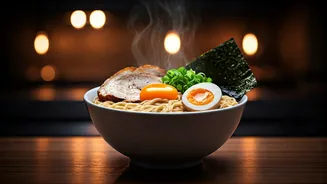
Beyond chopstick use, several other table manners are considered important. It is acceptable to slurp noodles to show appreciation for the food. It is also common to say 'itadakimasu' before eating, which means 'I humbly receive,' as a sign of gratitude for the meal. Conversely, saying 'gochisousama deshita' after the meal is a way to express gratitude to the chef and those involved in preparing the meal. Eating directly from the shared dishes is acceptable. These table manners are an essential component of showing respect for the food and the people who have prepared it, emphasizing the significance of sharing a meal.
Punctuality and Time
Punctuality is highly valued in Japanese culture. Being late for meetings or appointments is considered disrespectful. Arriving a few minutes early is often expected. The value placed on time reflects a wider respect for the commitment and schedule of others. Adhering to schedules and meeting deadlines is essential for maintaining trust and fostering strong relationships. Punctuality is thus a core element of demonstrating dependability and consideration for the people involved in business and social interactions.
Cleanliness and Orderliness
Maintaining cleanliness and orderliness is a prominent aspect of Japanese etiquette. Public spaces are generally spotless, and a sense of pride is taken in keeping environments tidy. Littering is rare, and recycling is prevalent. This cultural emphasis on cleanliness stems from a commitment to a comfortable and respectful living environment. It reflects a mindset of respect, both for the environment and the other people who share it. It represents an appreciation for aesthetics and a communal commitment to maintain a pleasant and functional society.