




Boston: Academic Intensity
In Boston, a city brimming with academic institutions and professional opportunities, loneliness frequently takes root due to the constant churn of its
population. The transient nature of students and professionals, who frequently move in and out, can make it difficult to establish lasting relationships. The local culture, often perceived as reserved, can further complicate matters, as social circles tend to be exclusive and challenging to penetrate. This dynamic creates an environment where forming and maintaining deep social bonds becomes an uphill battle for many residents navigating the city's fast-paced lifestyle. The relentless focus on career and study, paired with a culture that values privacy, can make individuals feel isolated despite being surrounded by others.
Los Angeles: Car Culture
Despite its sun-soaked image, Los Angeles presents a contrasting picture of social isolation. The city’s car-dependent infrastructure and extensive urban sprawl contribute significantly to residents’ feelings of detachment. Social scenes often revolve around status and career advancement, particularly within the entertainment industry, making genuine connection feel elusive. Many people report feeling socially replaceable, leading to a sense of emotional distance from others. The very environment designed for mobility paradoxically restricts the ease of spontaneous interactions and the building of solid relationships. This results in many feeling lost and detached even when surrounded by the glamorous facade of the city.
Seattle: The 'Seattle Freeze'
Seattle, known for its “Seattle Freeze,” presents a unique social climate where loneliness is quite prevalent. The 'Seattle Freeze' refers to a reputation for polite but reserved social behavior. Residents tend to be friendly on the surface but often slow to form deeper, more meaningful bonds. The long, dark winters and the local culture's introverted tendencies compound these feelings, creating an environment ripe for isolation. People find it difficult to move beyond superficial interactions. The combination of these factors makes establishing close relationships more challenging and fuels feelings of loneliness among the city's inhabitants.
New York: Rapid Pace
New York City, often cited as one of the loneliest cities globally, embodies a paradox of vast numbers but limited connection. The city's relentless pace of life, demanding work schedules, and cramped living spaces impede the formation of enduring relationships. The constant movement of residents, the rapid turnover of social encounters, make it hard to build the kind of lasting bonds needed to fight loneliness. Many inhabitants report feeling invisible despite being surrounded by millions. It's a place where the pursuit of success and ambition can overshadow the need for deeper human connections, contributing significantly to widespread feelings of isolation.
Budapest: Social Withdrawal
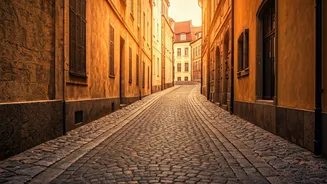
In Budapest, the issue of loneliness is marked by social withdrawal and restricted community engagement, especially among older citizens and young professionals. Cultural reserve, economic strains, and a dearth of communal spaces amplify the sense of emotional isolation. Despite the city's rich architectural beauty and cultural heritage, these factors challenge residents seeking meaningful interactions. The lack of social integration and limited avenues for community involvement contribute significantly to feelings of disconnection, making it harder for people to establish a sense of belonging within the city's complex social landscape. The city’s charm struggles to offset the underlying issues fostering feelings of isolation.
Philadelphia: Urban Fragmentation
Philadelphia showcases urban density coupled with a fragmented social scene. Economic disparities, pronounced neighborhood segregation, and the scarcity of interactions across different communities intensify the feeling of isolation for many residents. Although many people express a strong sense of neighborhood identity, the level of broader social support often proves to be inadequate. The limited cross-community engagement makes it challenging to establish a sense of belonging beyond one’s immediate locality. This fragmentation creates a social landscape where individuals might feel disconnected, even within a bustling urban environment.
Lisbon: Gentrification Impacts
Lisbon’s struggles with loneliness are partly tied to gentrification and the dominance of tourism within its communities. Many locals express a sense of detachment as neighborhoods experience rapid transformations and are increasingly populated by temporary residents. Expats and digital nomads often report difficulties in forming close, lasting friendships, finding that interactions remain at a superficial level. The constant influx of new faces and the transient nature of social interactions contribute to an environment where it is hard for residents to feel a deep sense of belonging. The city's charm can mask the underlying problems associated with the ever-changing social makeup.
Detroit: Economic Hardship
In Detroit, loneliness is associated with several factors, including population decline, economic hardship, and diminished social infrastructure. The presence of vacant neighborhoods and a lack of community hubs significantly restrict social interaction, particularly for older residents and low-income communities. The shrinking social landscape coupled with economic challenges makes it hard for people to connect. The scarcity of spaces for daily engagement and the difficulties faced by marginalized groups contribute to increasing feelings of isolation. This confluence of challenges highlights a difficult situation for many in the city.
Atlanta: Frequent Movement
Atlanta faces the paradox of loneliness arising from rapid expansion and constant population changes. The frequent movement of people, both in and out of the city, contributes to unstable friendships. Traffic congestion, long work hours, and segmented social circles further constrict opportunities for consistent interaction, making it tough to build lasting relationships. The lifestyle, with its inherent instability, exacerbates feelings of detachment. This continuous state of flux presents unique challenges to those trying to forge lasting connections.
Riverside: Suburban Isolation
The Riverside area, part of the Greater Inland Empire, sees loneliness linked to factors like long commutes and suburban isolation. Many residents find themselves working far from home, leaving them with little time or energy for engaging in social activities. The spread-out design of the area further limits opportunities for casual interactions. This combination of commuting burdens and a sprawling layout restricts the amount of daily, informal contact people have with each other. This often results in a limited social life and increased feelings of loneliness for its residents.