






Username Transition
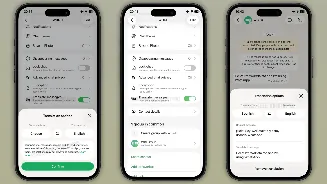
WhatsApp is preparing for a monumental shift, moving away from the requirement of sharing phone numbers to connect. By June 2026, users globally will have
the option to create unique usernames, much like on platforms such as Instagram. This transition means that individuals and businesses alike will be able to establish distinct handles, for example, 'MyBusinessName' or 'JohnDoe', allowing for communication without revealing personal contact details. WhatsApp has confirmed this development, expressing excitement about facilitating connections through these usernames. The company views this as a significant enhancement for privacy, offering users an additional layer of control over their personal information. Furthermore, it is anticipated to simplify the process for customers to get in touch with businesses. This optional privacy feature will allow users to choose between continuing with their phone numbers or adopting usernames, a crucial step designed to prevent user migration to competing services and ensure a smooth adoption process.
Enhanced Privacy and Spam Control
The introduction of usernames is strategically designed to bolster user privacy and improve the platform's ability to manage spam. By offering an alternative to phone numbers, users gain greater control over who can reach them and how. Experts suggest this move will significantly strengthen spam detection mechanisms, making the platform a more secure and pleasant environment for everyone. The ability to connect with others via a unique identifier, rather than a personal phone number, adds a new dimension to online interactions, fostering a sense of safety. This also contributes to better discoverability, as users and businesses can be found more easily through their chosen handles, streamlining communication and engagement across the board. The overall aim is to create a more robust and user-centric messaging experience.
Dynamic Pricing for Businesses
Beyond the user-facing changes, WhatsApp is also set to introduce a new monetization strategy through dynamic pricing for businesses. This innovative feature will require businesses to bid on the maximum price they are willing to pay in real-time for marketing messages sent through the platform. Beta testing for this new pricing model is slated to run throughout the latter half of 2026, with a full rollout expected in the second quarter of 2027. This represents a significant evolution for WhatsApp's revenue model, moving from a decade-long per-message pricing structure. Industry insiders see this as a major opportunity for revenue growth, marking one of the most substantial developments in enterprise messaging monetization since its inception. This move aligns with broader trends in digital advertising, potentially mirroring the successful Facebook ad model and aiming to drive more effective engagement between businesses and their customers.
Future Implications and Hurdles
While the upcoming changes promise enhanced privacy and more efficient spam management, the increasing influence WhatsApp exerts over user interactions may raise pertinent questions about data ownership and potential ecosystem lock-in. Industry executives have highlighted that over-the-top communication platforms like WhatsApp face mounting regulatory scrutiny globally, especially as they offer services that compete with traditionally regulated telecommunications channels. It is important to note that mandates regarding SIM-binding, a requirement for phone number association, are likely to persist regardless of the introduction of usernames. WhatsApp's strategic overhaul is primarily geared towards opening new avenues for ad-based revenue and preparing for an AI-driven future, where businesses and AI agents will interact seamlessly through chat interfaces. The platform's ambition is to solidify its position as the leader in business messaging and ensure that these crucial conversations remain within its ecosystem.