






Tariff Reduction Explained
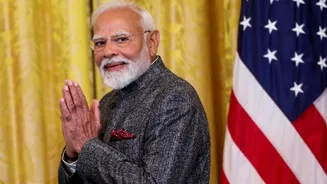
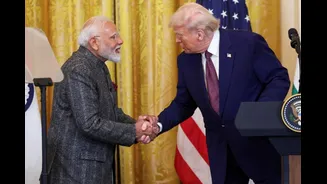
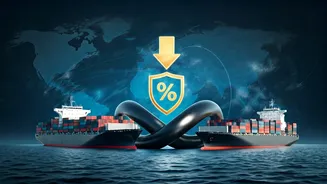
In a significant move, the United States has agreed to lower its tariffs on Indian imports, bringing them down to 18% from a previous high of 50%. This
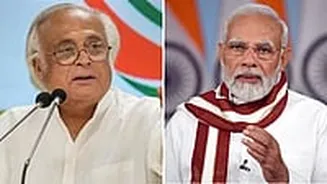
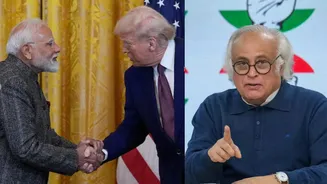
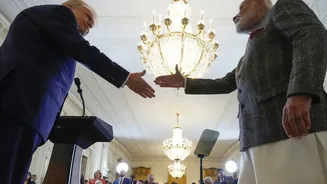
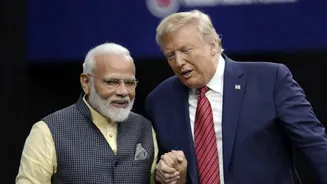
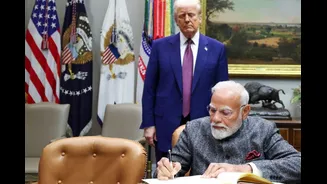
substantial reduction marks a pivotal moment in the trade relationship between the two nations. The agreement, which saw President Donald Trump announce the tariff cuts, was a direct result of Prime Minister Narendra Modi's commitment to cease India's purchase of Russian oil. This strategic decision by India appears to have been a key factor in facilitating the tariff renegotiations. The new tariff rate of 18% places India in a more competitive position compared to other trading partners like Vietnam, Bangladesh, and Pakistan, potentially boosting bilateral trade and economic ties.
The Road to Resolution
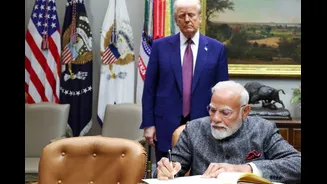
The journey leading to this tariff reduction was marked by considerable negotiation and trade tensions. For a period, the US had imposed substantial tariffs, reaching up to 50%, on goods imported from India. This situation created friction and uncertainty in the economic partnership between the two countries. The dialogue culminated in a trade deal where India's agreement to halt its oil imports from Russia served as a critical concession. Prime Minister Modi expressed his gratitude to President Trump on behalf of the 1.4 billion people of India, highlighting the significance of this outcome for the nation's economy. This agreement underscores the dynamic nature of international trade diplomacy, where strategic decisions can lead to substantial policy shifts.
Global Trade Implications
This reduction in US tariffs on India is not just a bilateral event; it carries broader implications for global trade. By lowering the import duties to 18%, the US has created a more favorable environment for Indian businesses to export their products. This move could potentially influence how other countries negotiate trade agreements with the United States, setting a precedent for future tariff discussions. India's current trade position, with rates better than those offered to countries like Vietnam, Bangladesh, and Pakistan, signifies a strategic realignment. The budget also positions India to manage its growth with foresight and stability, suggesting a confident outlook on its economic trajectory amidst these international trade adjustments.