

Rhino's Majestic Presence
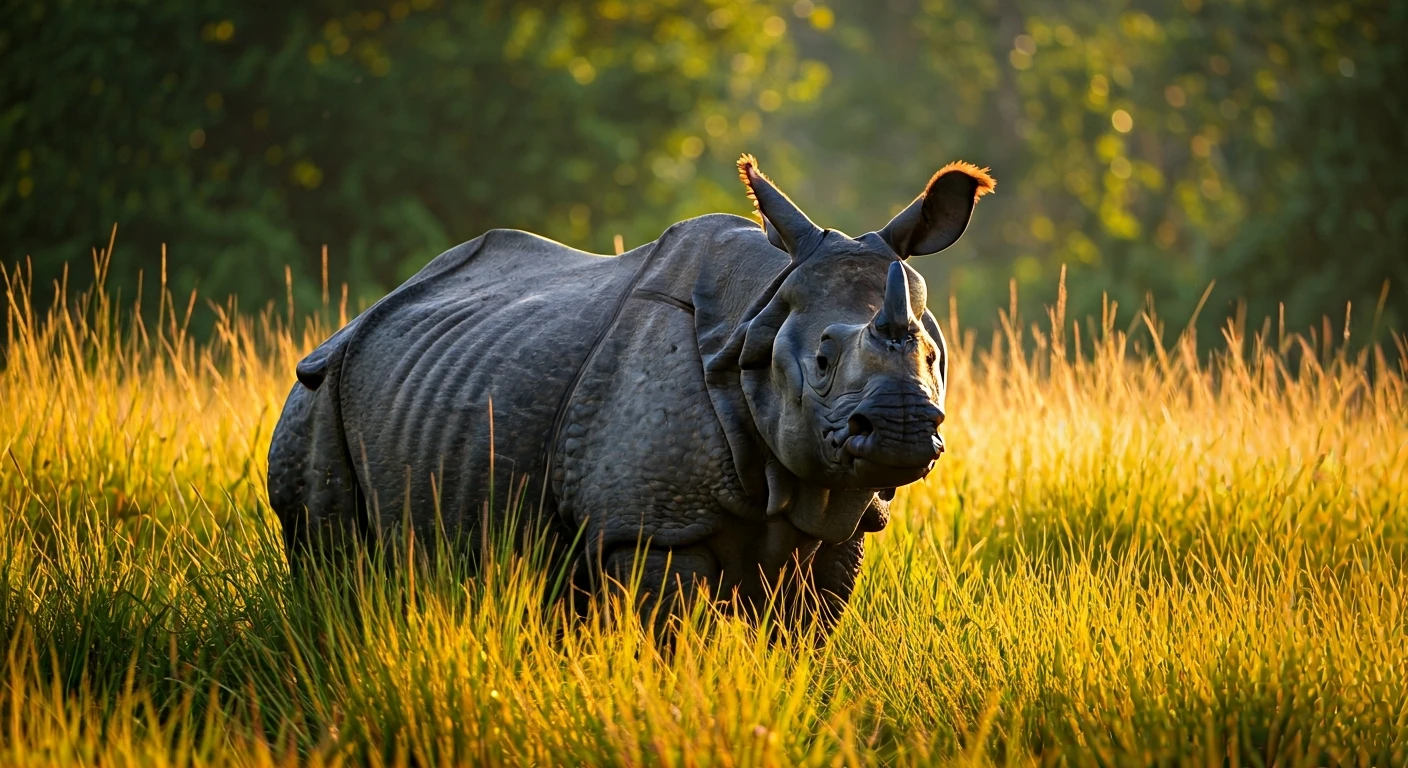
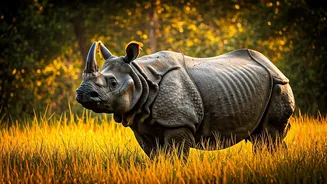
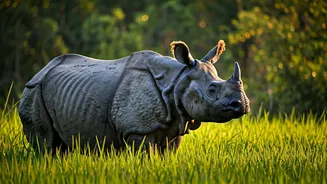
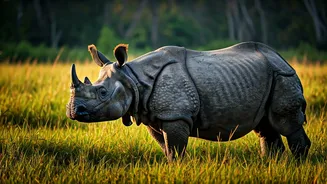
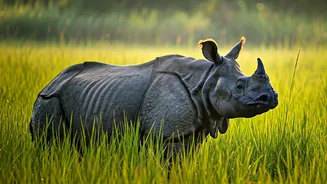
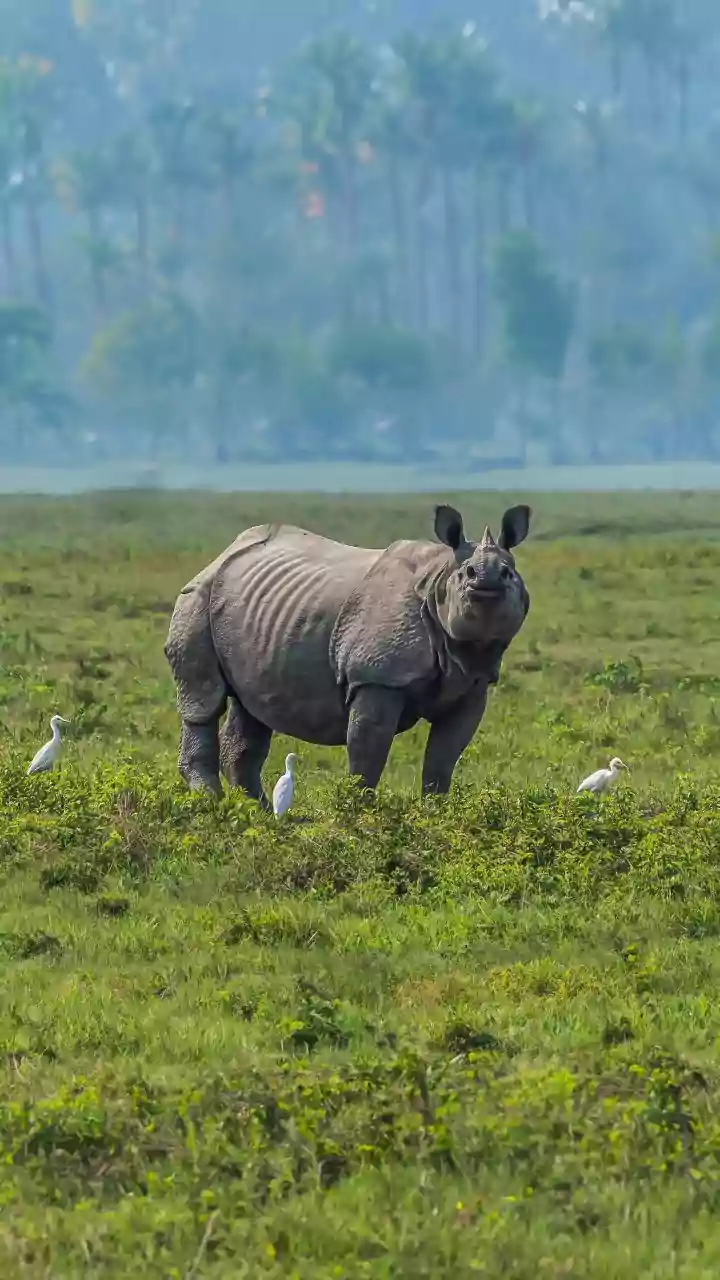
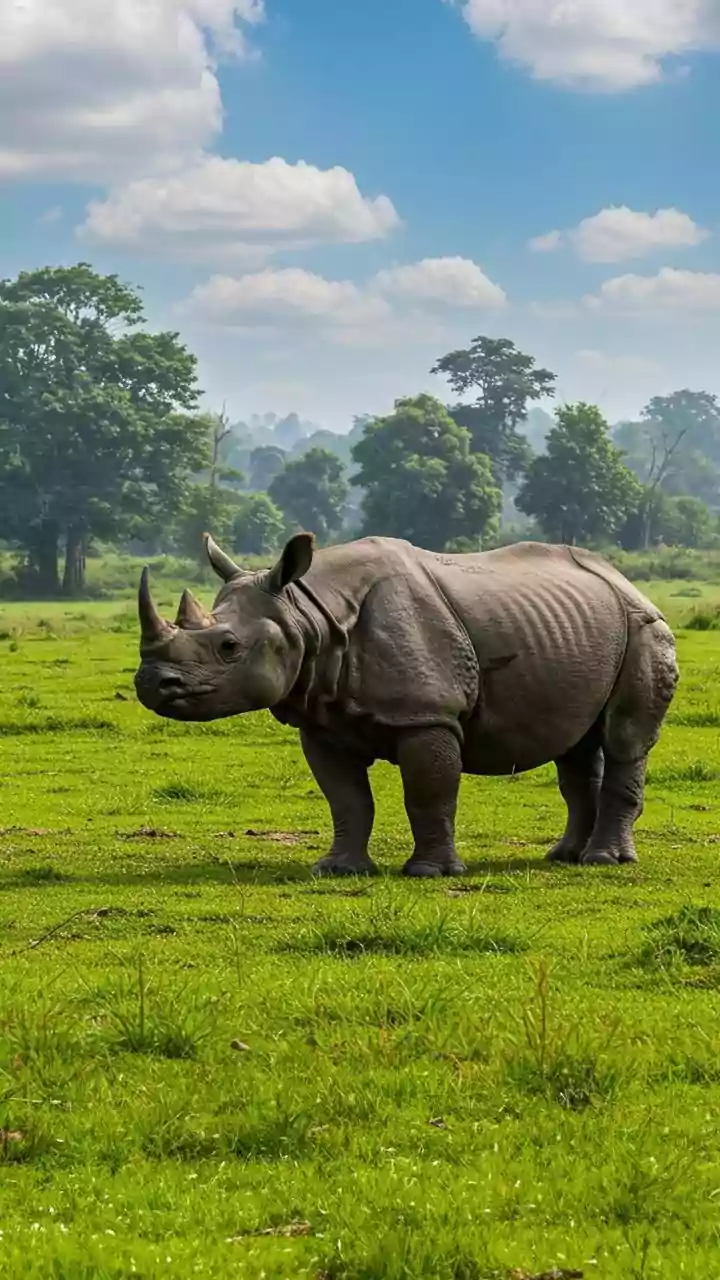
Kaziranga National Park stands as a global stronghold for the Indian rhinoceros, an iconic species listed as vulnerable but thriving thanks to dedicated
conservation efforts in Assam. These formidable herbivores are a common and awe-inspiring sight, frequently observed peacefully browsing the park's expansive grasslands or congregating near its numerous water bodies. The park’s commitment to protecting this magnificent animal has led to a remarkable resurgence, making a Kaziranga safari an almost guaranteed opportunity to witness these magnificent creatures in their natural environment, a testament to successful ecological management and a beacon of hope for endangered wildlife.
Elephantine Giants Roam
Beyond the rhinoceros, Kaziranga is also a vital habitat for the Asian elephant, another prominent resident that draws significant attention from visitors. These intelligent and social animals are often seen moving in herds across the park's diverse landscapes, which include lush grasslands and scattered forest areas. The park harbors a substantial population of wild elephants, playing a crucial role in maintaining the ecosystem's balance. Through their feeding habits, they shape vegetation patterns, and their movements aid in seed dispersal, contributing significantly to the park's ecological health and vibrant biodiversity.
Tiger's Elusive Realm
Kaziranga National Park boasts one of India's highest densities of the Bengal tiger, a powerful and enigmatic predator. These magnificent cats primarily inhabit the park's dense tall grass and woodland regions, areas that provide ample cover for hunting and shelter. While spotting a tiger is a rarer occurrence compared to rhinos or elephants due to their stealthy nature and preference for seclusion, their presence is a significant indicator of the park's well-preserved ecosystem. Kaziranga's designation as a tiger reserve underscores its importance in safeguarding this apex predator and its habitat.
Water Buffalo Majesty
Among the park's large herbivores is the Wild water buffalo, recognized as one of the planet's most substantial bovine species. These impressive animals are a common sight in Kaziranga's marshy lowlands and wetlands, areas that provide the perfect environment for their needs. The park plays a critical role in conserving this endangered species, sheltering one of its most significant and healthy populations. Observing these powerful buffaloes navigating the aquatic landscapes is a compelling experience, highlighting the park's commitment to protecting a wide array of threatened wildlife.
Swamp Deer Grace
The Eastern swamp deer, known locally as Barasingha, thrives within the wetland and grassland ecosystems of Kaziranga. These graceful deer are easily identifiable by their striking, multi-tined antlers, particularly the males. They are frequently observed grazing in open meadows, their presence adding to the park's serene pastoral beauty. Kaziranga provides an ideal habitat for these specialized deer, supporting a healthy population that contributes to the park's rich tapestry of herbivores and the overall ecological balance of its varied landscapes.
Leopard's Stealthy Watch
While generally more reclusive than other large mammals, the Indian leopard is also a resident of Kaziranga National Park. These exceptionally stealthy felines tend to favor the forested zones within the park, where they blend seamlessly with their surroundings. Leopards are typically most active during the transitional hours of dawn and dusk, making sightings a relatively rare but still possible and exciting event for safari-goers. Their presence indicates a healthy predator-prey dynamic within the park's diverse ecological niches.
Hog Deer Grazing
The Hog deer is one of the more commonly encountered herbivores within Kaziranga, often seen in good numbers across its grasslands. These deer are notably smaller than their swamp deer counterparts and are particularly fond of habitats characterized by tall grasses, often found grazing in close proximity to water sources. Their frequent sightings contribute to the vibrant wildlife viewing experience in the park, showcasing the abundance of smaller ungulates that form a crucial part of the food chain and the park's ecological health.
Sloth Bear Encounters
Although less frequently spotted than other species, the Sloth bear is another fascinating animal that inhabits Kaziranga. These distinctive bears primarily reside in the forested areas of the park, preferring habitats rich in their preferred food sources. Their diet consists mainly of insects, such as termites and ants, supplemented by fruits found within their environment. While sightings are rarer, the presence of sloth bears highlights the park's diverse microhabitats and its ability to support a wide spectrum of animal life beyond the more commonly observed megafauna.