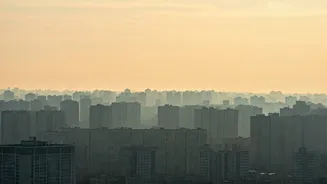








Pollution's Grim Reality
Air pollution presents a critical worldwide challenge, significantly affecting public health and environmental sustainability. This issue is not confined
to a few isolated regions, but has spread across numerous cities worldwide, which has led to a noticeable decline in air quality. User data, often collected through various environmental monitoring systems and mobile applications, provides a detailed view of the extent of this problem. These data points, including particulate matter (PM2.5 and PM10), ozone, and other pollutants, create a comprehensive map of the world's most polluted urban centers. Factors such as industrial emissions, vehicular traffic, and natural events such as sandstorms or wildfires are significant contributing elements. As a result, residents of highly polluted cities often endure increased rates of respiratory diseases, cardiovascular problems, and other health ailments. These detrimental health effects also lead to greater pressure on healthcare systems. Therefore, focusing on solutions is crucial, especially in high-density urban areas. Policies and projects that emphasize sustainable practices such as the use of public transport and the adoption of renewable energy technologies can greatly improve the condition of the air. This requires both governmental support and public involvement to ensure that environmental protection is given the focus it deserves.
Listing Polluted Hotspots
This section delves into specific cities suffering from severe air pollution. These are urban centers where pollution levels consistently exceed international standards, putting residents at considerable risk. Though user data is used, precise ranking can fluctuate based on the frequency and the locations where the data are collected. However, consistent patterns emerge, showing a clustering of heavily polluted cities. One major group includes cities in Southeast Asia, with substantial populations and expanding industrial sectors. These cities are often characterized by high levels of PM2.5, tiny particles that can enter the lungs and cause serious health issues. Another key area is the Indian subcontinent, where a combination of industrial activity, agricultural burning, and seasonal climate factors contributes to poor air quality. Several cities in these regions often experience significant pollution spikes, particularly during the colder months when temperature inversions trap pollutants near the ground. The impact is seen in the high rates of respiratory illnesses, leading to public health advisories and the demand for enhanced environmental regulations. Understanding that these pollution patterns are not isolated to one area helps emphasize the importance of global collaboration and knowledge sharing.
PM2.5's Harmful Effects
PM2.5, or particulate matter with a diameter of 2.5 micrometers or less, is a primary concern in many of the world's most polluted cities. These fine particles are especially dangerous because they are small enough to penetrate deep into the lungs and even enter the bloodstream. Sources of PM2.5 are varied, including emissions from vehicles, factories, power plants, and residential heating. In some areas, seasonal factors can make the problem worse, such as when agricultural activities involve crop burning or during the dry seasons when dust is easily stirred up. The health consequences of PM2.5 exposure are numerous and severe. Short-term exposure can cause irritation of the eyes, nose, and throat, as well as trigger asthma attacks and bronchitis. Long-term exposure increases the risk of chronic respiratory diseases, cardiovascular diseases, and even lung cancer. Children, the elderly, and those with existing health conditions are especially vulnerable. Monitoring PM2.5 levels, raising awareness among the public, and implementing control measures are crucial to protecting residents. This could involve promoting cleaner fuels, improving public transport, and implementing regulations to limit industrial and vehicular emissions. Furthermore, the development of public health strategies, such as providing air quality alerts, is crucial.
Addressing the Crisis
Tackling air pollution requires a multi-faceted approach involving government, industry, and the public. Strong government regulations are essential, including setting and enforcing stricter emissions standards for vehicles and industries. Investing in public transportation, such as electric buses, and promoting cycling and walking can help lower emissions from vehicles. Support for renewable energy sources is also crucial, as it reduces reliance on fossil fuels that generate pollutants. Industries need to adopt cleaner technologies and processes to minimize their environmental impact. Incentives can encourage companies to invest in these sustainable practices. The public must be involved through increased awareness campaigns about air quality, with information on how to protect themselves during pollution spikes. Individual actions, such as reducing the use of private vehicles and conserving energy, can add up to make a significant difference. International cooperation is also necessary, as pollution often crosses borders. Sharing best practices, coordinating efforts, and providing financial assistance to developing countries can help address the problem on a global scale. This collective effort, based on the implementation of regulations and the active involvement of all stakeholders, is critical to improving air quality and safeguarding public health worldwide.