
FTA: Key Details
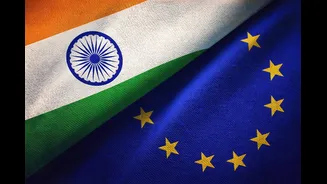
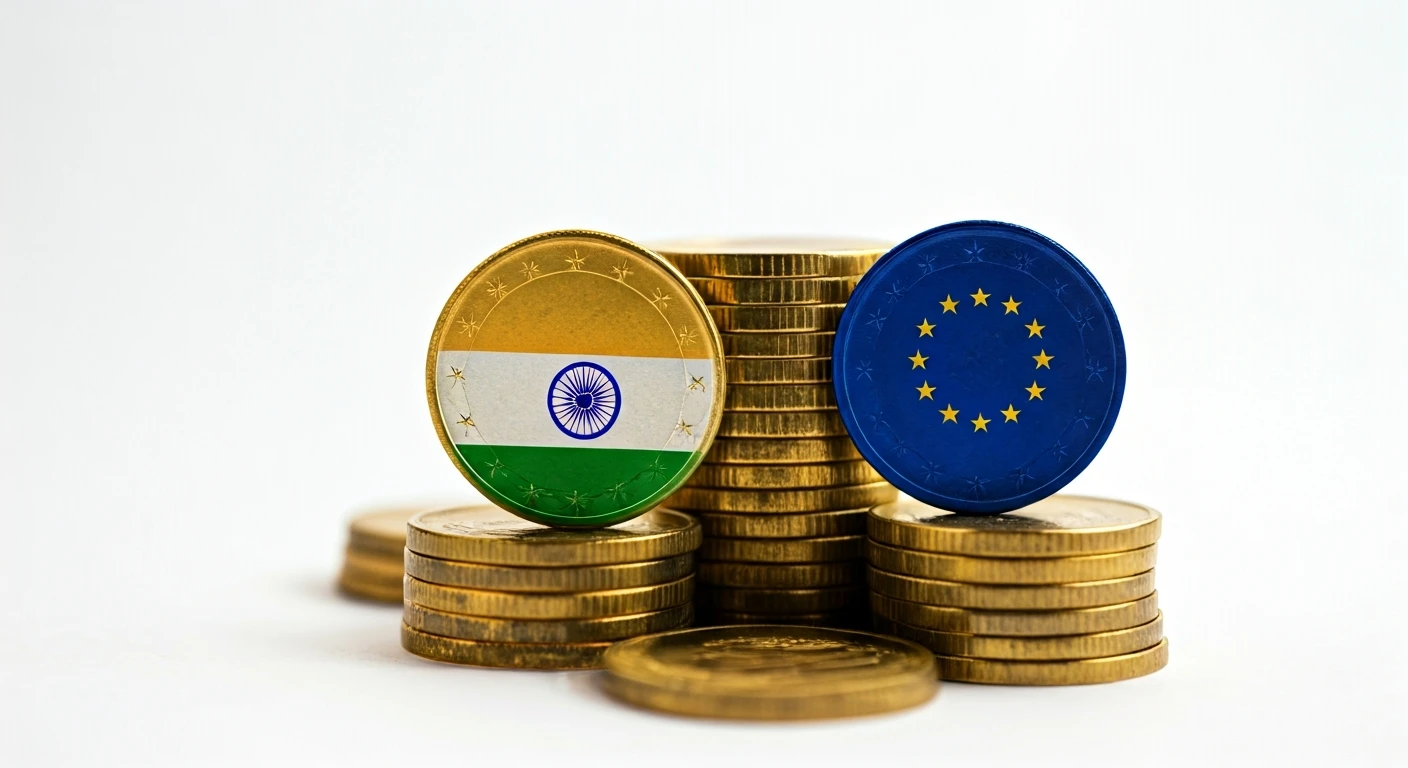
The India-EU Free Trade Agreement is designed to slash tariffs on a vast majority of goods exchanged between India and the European Union. Specifically,
the agreement aims to eliminate or significantly reduce tariffs on over 99% of the goods traded. This comprehensive reduction in tariffs is expected to streamline trade processes, making it easier and more cost-effective for businesses in both regions to import and export goods. The FTA is anticipated to cover a wide range of products, thereby fostering a more integrated and dynamic trading relationship. This initiative reflects a strategic move by both India and the EU to boost economic cooperation and enhance global competitiveness. The reduction of tariffs is expected to have a ripple effect, potentially leading to increased investment, job creation, and overall economic growth within both India and the EU member states. The agreement's broad scope highlights the commitment of both parties to a stronger, more resilient trade partnership, benefiting businesses and consumers alike.
Modi's Perspective
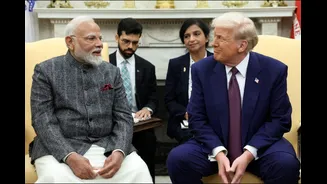
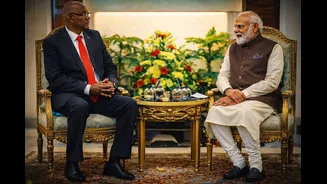
Prime Minister Modi has expressed strong enthusiasm for the India-EU Free Trade Agreement, characterizing it as a 'game-changer.' This positive assessment highlights the importance the Indian government places on the agreement as a catalyst for economic growth and international collaboration. Modi's comments reflect a strategic vision to enhance India's trade relations with key global partners and promote economic development within the country. The agreement is viewed as a crucial step towards integrating India more fully into the global economy, providing Indian businesses with enhanced access to the European market. By reducing trade barriers, the FTA aims to facilitate greater economic cooperation and create opportunities for businesses and consumers. Modi's emphasis on the agreement signals his government's commitment to creating a favorable environment for international trade and investment. The sentiment demonstrates a clear understanding of the potential advantages the FTA brings to India's economic landscape, with an emphasis on boosting economic prosperity through expanded trade partnerships.
Impact on Trade
The India-EU Free Trade Agreement is expected to have a transformative impact on trade between India and the European Union. The substantial tariff reductions on over 99% of goods are expected to lower the cost of trade, making it easier and more attractive for businesses in both regions to engage in cross-border transactions. This, in turn, is likely to lead to a significant increase in the volume of goods traded between India and the EU. Increased trade flows are anticipated to boost economic activity, generate employment opportunities, and enhance overall economic growth in both India and the EU member states. Furthermore, the agreement is expected to foster greater integration of supply chains, leading to improved efficiency and competitiveness for businesses. By reducing trade barriers, the FTA will create a more favorable environment for investment and encourage businesses to expand their operations. The increased trade activity can also bring in a wide array of goods and services to consumers. The potential for expanded trade resulting from the FTA underscores the importance of the agreement in shaping future economic relations between India and the EU.