


The Wunda Chair Challenge
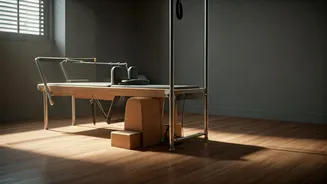
Janhvi Kapoor recently showcased an advanced move on the Pilates Stability Chair, a piece of equipment renowned for its demanding nature. This particular
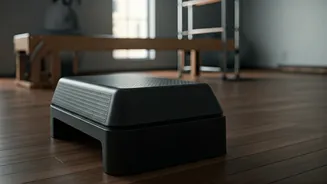
exercise, a variation of the 'Step Up,' engages the lower body and core with remarkable intensity. The chair itself features a movable pedal connected by springs, differentiating it from a static bench. In this advanced variation, as demonstrated by Kapoor, the practitioner places one foot on the chair's seat and the other on the pedal. The challenge lies in lifting the entire body using the strength of the lead leg, while simultaneously controlling the ascent of the spring-loaded pedal. Performing this without any hand support elevates it from a simple leg exercise to a comprehensive full-body stability test, demanding significant control and body awareness to maintain proper hip alignment and controlled movement throughout the exercise.
Sculpting Glutes and Quads
This exercise offers a unique mechanical advantage, thanks to the chair's height and the narrow base of support provided by the pedal and seat. This setup compels a significantly higher recruitment of muscle fibers in the gluteal muscles, specifically the Gluteus Maximus and Medius, when compared to traditional lunge variations. It is an exceptionally effective method for developing lower-body power and achieving defined musculature. The targeted engagement ensures that these key muscles work harder, leading to superior sculpting and strength gains, contributing to a more robust and aesthetically pleasing physique. The precise application of resistance through the spring mechanism amplifies the muscle-building potential.
Fixing Postural Imbalances
The Stability Chair Step Up is a unilateral, or single-sided, movement, which inherently highlights and corrects postural imbalances. Many individuals tend to rely more heavily on their dominant leg during everyday activities like walking or squatting. This exercise deliberately exposes these imbalances by forcing the weaker leg to bear the full brunt of the movement. This is crucial for long-term joint health and can help in the prevention of back pain associated with issues like scoliosis. By ensuring both legs work equally and with proper form, it promotes balanced muscular development and improved spinal alignment, leading to better overall posture and reduced risk of compensatory injuries.
Core and Pelvic Powerhouse
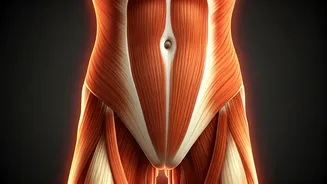
Maintaining an upright and stable position during this exercise, particularly when not using the support handles, necessitates a deep engagement of the core musculature. The Transverse Abdominis, often referred to as the body's natural corset, and the Multifidus muscles along the spine are actively recruited. This intense activation creates a powerful, pillar-like stability through the torso, which is essential for achieving that desirable lean and upright posture. A strong core not only enhances physical appearance but also significantly improves functional strength, aiding in everyday movements and athletic performance by providing a solid foundation for all body movements.
Injury Prevention's Edge
The act of balancing on an unstable surface, like the chair's pedal, significantly enhances proprioception—the body's innate ability to sense its position and movement in space. This improved brain-muscle communication is vital for stability and coordination. Athletes and performers often incorporate such exercises to better prepare their bodies for unpredictable movements encountered in sports, dance, or action sequences. By training the body to adapt to instability, it becomes more resilient, reducing the likelihood of injuries to crucial joints like the knees and ankles, and improving overall agility and response time to dynamic challenges.
Low Impact, High Results
One of the most compelling aspects of this Pilates variation is its ability to deliver the muscle fatigue and intensity typically associated with heavy weightlifting, all while remaining remarkably gentle on the joints. This low-impact nature makes it an excellent choice for individuals seeking to build bone density and muscular endurance without the stress that high-impact exercises can place on cartilage and connective tissues. It provides a profound strength-building workout that is both effective and joint-friendly, contributing to long-term physical health and resilience. The focus is on controlled resistance and muscle activation, ensuring a thorough workout with minimal risk of injury.