







Understanding Stay Duration
The US Embassy in India recently shared vital information concerning the length of time Indian visitors are permitted to remain in the United States. This
clarification addresses a frequently asked question among prospective travelers. Understanding the permissible duration of stay is crucial for anyone considering a visit to avoid any potential issues. The length of time an individual is allowed to stay is generally determined by the type of visa they possess and the purpose of their visit. Factors such as the visa category, the specific circumstances of the visit, and any stipulations outlined by the US Customs and Border Protection (CBP) officers at the port of entry all play a role in this determination. Therefore, Indian visitors should always familiarize themselves with their visa details and be prepared to provide relevant information to immigration officials upon arrival to ensure a smooth and compliant entry process.
Visa Types and Rules
Different visa types carry distinct regulations regarding the maximum stay permitted. For example, a tourist visa (B-2) typically allows for a stay of up to six months, however, the CBP officer determines the period of admission upon arrival. This is recorded on the I-94 form. Other visa categories, like student (F-1) or work (H-1B) visas, have their specific terms linked to the duration of the educational program or employment contract. When planning a trip, Indian visitors must identify their visa type and its associated conditions. Always verify the authorized period of stay on their I-94 form and adhere to these guidelines to avoid overstaying, which can have serious consequences. Overstaying a visa can lead to denial of future visa applications, potential deportation, and a ban from entering the US for a certain period. Keeping track of the allowed stay and adhering to the guidelines is essential for all visitors from India.
Entry and Inspection Process
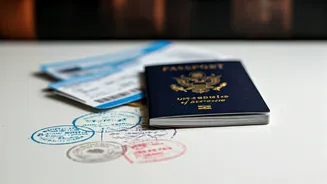
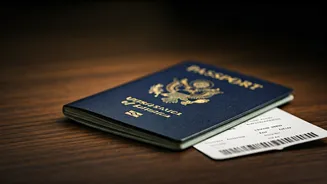
Upon arrival in the United States, Indian visitors undergo inspection by US Customs and Border Protection (CBP) officers at the port of entry. During this process, they will verify the traveler's visa, passport, and other relevant documents, and ask questions about the purpose and duration of the visit. The CBP officer determines the period of admission, recorded on the I-94 form. This form is a crucial document that outlines the authorized period of stay. Visitors should carefully review the information on their I-94 form and keep it with their passport, as it serves as proof of legal entry and authorized stay. Any discrepancies or questions should be immediately addressed with the CBP officer. Proper documentation and honest responses are crucial for a smooth entry process. Keeping the I-94 secure, and understanding its details, helps maintain compliance with US immigration regulations, which avoids the risk of overstaying and potential penalties.
Consequences of Overstaying
Overstaying a visa in the United States can result in severe consequences. The penalties can affect future travel and eligibility for any future visa applications. Individuals who overstay their visa may be subject to denial of future visa applications, potentially leading to a ban from entering the United States for a certain period. The length of the ban depends on the duration of the overstay. Overstaying for more than 180 days but less than a year may result in a three-year ban, while overstaying for more than a year can lead to a ten-year ban. Moreover, overstaying can make it more difficult to obtain any type of visa in the future, as it raises concerns about the individual's adherence to US immigration laws. Therefore, it is important to strictly adhere to the conditions of your visa, paying attention to the period of stay authorized by the CBP officer. If an extension is needed, apply for it before the authorized stay expires.
Staying Informed and Prepared
To ensure a seamless travel experience, Indian visitors should stay informed about the latest US visa regulations. Regularly check the official US government websites, like the Department of State and the US Embassy in India, for updates and changes to visa policies. Preparation is key: before the trip, review your visa details and the authorized stay period. Carry all necessary documents, including your passport, visa, and I-94 form. Arriving with a good understanding of visa requirements helps prevent misunderstandings at the port of entry. Stay updated on any changes to US immigration policies during your visit. If you plan to extend your stay, apply for an extension well in advance of your current authorized stay period. Consulting with legal professionals specializing in immigration can provide clarity and support, helping you navigate the complexities of US visa regulations.