
Electric Geysers Decoded
Electric geysers are a familiar sight in many homes, relying on electricity to heat water through an immersion element. Their ease of installation is a major
advantage since they require only an electrical connection, making them suitable for various settings. However, their operational costs can be higher, especially in areas with high electricity tariffs. The energy efficiency of electric geysers can vary significantly depending on the model and its insulation. Older models, in particular, may lose heat more quickly, resulting in increased energy consumption. Modern electric geysers often include features like thermostats and insulation to improve efficiency. Homeowners considering an electric geyser should consider factors like usage patterns, electricity prices, and the availability of energy-efficient models to determine cost-effectiveness.
Gas Geysers Examined
Gas geysers, fueled by natural gas or propane, offer another route for water heating. They're often favoured for their ability to heat water quickly and efficiently, especially continuous flow models, where water is heated on demand, leading to reduced energy wastage. The initial cost of a gas geyser can be slightly higher than an electric one, and installation may involve gas line connections, which may add to the setup cost. However, the long-term operating costs could be lower if natural gas prices are favourable compared to electricity rates. Safety is a key consideration with gas geysers, requiring professional installation and regular maintenance to ensure safe operation and prevent gas leaks. Homeowners should assess the availability and cost of gas in their area when considering this option, as well as the need for proper ventilation to eliminate any potential health hazards.
Solar Geyser Advantages
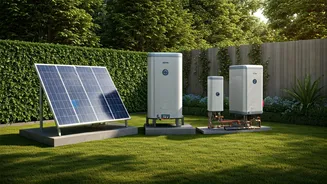
Solar geysers harness the power of the sun to heat water, offering a sustainable and eco-friendly alternative. They consist of solar collectors, which absorb solar energy, and a storage tank to store heated water. One of the main benefits of solar geysers is the significant reduction in energy bills, as they rely on a renewable energy source. In regions with ample sunshine, solar geysers can effectively provide hot water throughout the year. The initial investment in a solar geyser can be higher than electric or gas options due to the cost of solar panels and installation. However, government incentives and long-term savings on energy costs often make them an attractive choice. The performance of solar geysers is weather-dependent. On cloudy days, a backup heating system, which can be electric or gas, may be needed to ensure a constant hot water supply. Homeowners must assess their solar exposure and consider the availability of government incentives before deciding on a solar geyser.
Cost Comparison
A detailed comparison is crucial when selecting a geyser. The initial cost, operating costs, and maintenance expenses vary among electric, gas, and solar geysers. Electric geysers often have the lowest initial cost, but their operating expenses depend on electricity prices and usage. Gas geysers usually have a higher initial cost than electric models but can provide lower operating costs if gas prices are reasonable. Solar geysers have the highest upfront cost but can offer the lowest operating expenses due to reliance on solar energy. Maintenance costs also differ; electric geysers require minimal maintenance, while gas geysers need regular checks for safety. Solar geysers require maintenance to ensure the solar panels and storage tanks function correctly. Making informed decisions demands a detailed analysis of upfront costs, long-term savings, and individual energy consumption habits.
Energy Efficiency Factors
Energy efficiency plays a vital role in determining a geyser's impact on utility bills. Modern electric geysers come with features that enhance efficiency, such as thermostats and improved insulation. Gas geysers can be highly efficient, especially continuous flow models. These models heat water only when it's required, reducing energy waste. Solar geysers are extremely energy-efficient, using renewable energy and minimizing the reliance on grid electricity or fossil fuels. Factors affecting the energy efficiency include the geyser's insulation quality, heating element efficiency, and standby heat loss. For instance, well-insulated geysers prevent heat loss, maintaining water temperature longer and minimizing energy consumption. Homeowners can boost energy efficiency by choosing energy-efficient models, setting appropriate water temperatures, and insulating water pipes to reduce heat loss. Understanding these elements helps maximize savings on energy bills and decreases environmental impact.
Choosing Wisely
Selecting the right geyser depends on individual needs, preferences, and local conditions. Consider the initial cost, operating expenses, energy efficiency, and maintenance requirements of each type. Evaluate the availability and cost of electricity, gas, and solar energy in your area. For instance, in areas with high electricity prices and abundant sunshine, a solar geyser might be the best option. In locations where natural gas is affordable, a gas geyser could be more economical. Electric geysers are suitable for homes with easy access to electricity and lower initial costs. Factor in your hot water usage patterns, considering whether you require continuous hot water or if you have a schedule for its use. Also, consider environmental impact, especially if you prioritize sustainability and want to reduce your carbon footprint. Prioritize long-term savings, energy efficiency, and environmental friendliness when choosing a geyser, and make your choice based on these factors.