







Trump's Iran Stance
Recent reports indicated that former US President Trump was considering a range of military, cyber, and psychological options concerning Iran. This decision
was reportedly in the hands of his national security team, with the potential for immediate action. The situation was marked by intense discussions, fueled by threats and strategic posturing. Trump's approach appeared to lean towards assertive measures, with potential consequences for both domestic and international affairs. This strategy included potential economic pressure and diplomatic isolation to achieve his objectives.
Military and Cyber
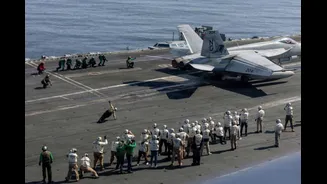
The options being discussed by Trump's team included several military and cyber strategies. Airstrikes were mentioned as a possibility, signaling a readiness to employ conventional warfare. Cyber warfare was also a significant consideration, potentially targeting critical infrastructure or disrupting government operations. Alongside these were psychological operations designed to undermine the Iranian regime's influence, creating instability and potentially weakening its grip on power. This comprehensive approach underscored the complex nature of the conflict and the multifaceted ways it could unfold.
Global Reactions
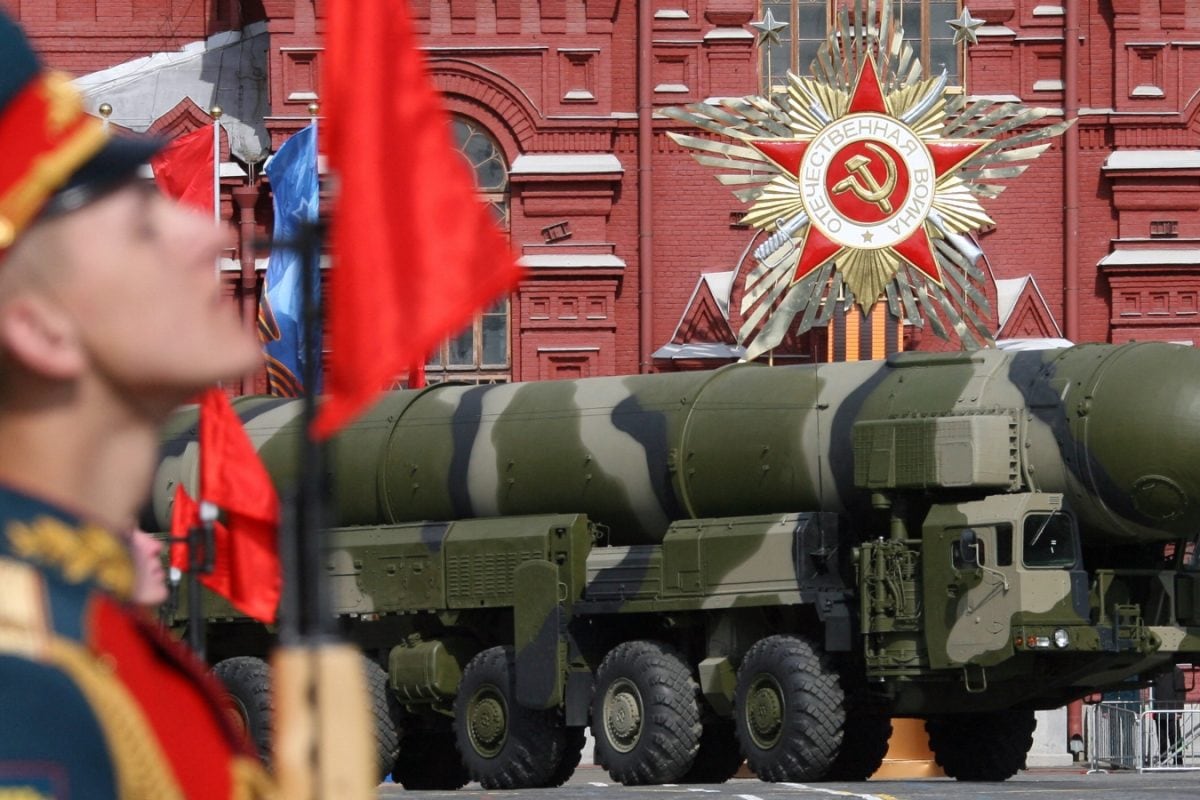
International responses to the escalating tensions were varied and crucial. The EU, for example, took a strong stance by banning Iranian diplomats and officials, signaling disapproval of the regime's actions. Additionally, the EU aimed to prevent any actions that could legitimize the current Iranian leadership. Russia and the US were shown to be at odds, with each side criticizing the other's involvement in the region. The global community closely monitored the situation, with many nations expressing concerns about the potential for conflict and its effects on stability and security.
Economic Warfare
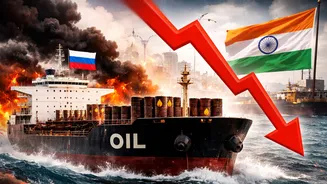
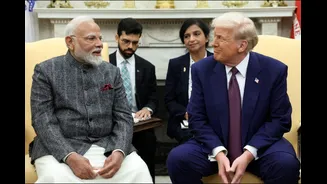
Economic pressure, including potential tariffs on goods from countries like India and China, was a key component of Trump's strategy. A 25% tariff was mentioned, which could significantly disrupt global trade and strain relations with key partners. This economic coercion was intended to isolate Iran and force concessions. However, such measures could also trigger retaliatory actions, potentially leading to further economic instability. The use of economic warfare highlighted the complex interplay between diplomacy, trade, and military strategy.
US Warnings Issued
The US issued warnings to its citizens regarding travel to Iran, advising them to avoid any non-essential trips due to the risk of arrest. This advisory was a clear indicator of the heightened security risks and the severity of the situation. It reflected the administration's deep concern about the safety of its citizens in the region and the potential for diplomatic incidents. The travel warnings served as a cautionary measure, urging Americans to remain vigilant and prioritize their security amidst the rising tensions.
Protests and Conflicts
Protests and demonstrations were taking place in several locations, including London. Anti-Khamenei protesters laid siege to the Iranian embassy, showing the strong feelings against the regime. These protests and the related conflicts reflected the deep-seated grievances and opposition to the current Iranian government. These events, combined with the military and economic actions, painted a complex and unstable picture, increasing the risk of escalating violence and disruption across the region.