






Yoga: A Stress Buster
Yoga, as explained by the guru, is more than just physical postures; it is a comprehensive practice that profoundly impacts the mind and body. Stress is a prevalent
issue, and yoga addresses it through various techniques. The practice incorporates breathing exercises (pranayama), which help regulate the nervous system, reducing the production of stress hormones like cortisol. Regular yoga practice can calm the mind, fostering a sense of peace and reducing the intensity of anxious thoughts. This mind-body connection makes yoga an effective tool for managing daily stressors. The guru emphasized the importance of consistent practice to experience significant and long-lasting benefits. By incorporating yoga into their routine, individuals can equip themselves with tools to navigate stressful situations with greater ease and resilience, improving their overall quality of life.
Posture and Physical Health
The yoga guru also highlighted the profound impact of yoga on physical posture and overall health. Many modern lifestyles involve prolonged periods of sitting, which can lead to poor posture and related health problems. Yoga postures (asanas) are designed to counter these effects by strengthening the core muscles and improving spinal alignment. The guru detailed how specific poses can stretch and lengthen muscles, correcting imbalances that contribute to bad posture. Improved posture not only enhances physical appearance but also reduces the risk of back pain, neck strain, and other musculoskeletal issues. Moreover, the practice boosts circulation, delivering oxygen and nutrients more efficiently to all parts of the body. This holistic approach ensures better physical health and vitality. By actively engaging in these postures, individuals can improve their physical well-being and maintain a more balanced and healthy lifestyle.
Combating Mental Fatigue
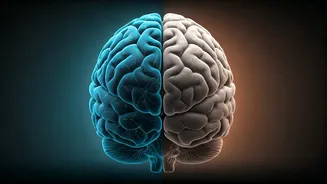
In addition to managing stress and improving posture, the yoga guru explained how yoga can alleviate mental fatigue. The brain, much like the body, requires rest and rejuvenation. Yoga incorporates practices like meditation and mindfulness, which help clear the mind of mental clutter and reduce cognitive overload. These practices calm the nervous system, reducing mental strain. The guru underscored that consistent meditation can enhance focus, concentration, and mental clarity, making it easier to handle complex tasks and make decisions. Yoga also improves the quality of sleep, which is critical for mental restoration. Yoga can combat the effects of mental exhaustion, resulting in heightened energy levels and a more balanced emotional state. Regular practice provides the tools to sharpen cognitive function and cultivate resilience against the demands of daily life.