








What are Tariffs?
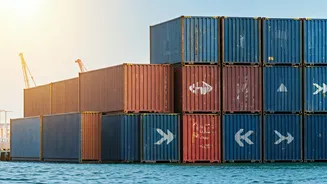
Tariffs, essentially taxes on imported goods, are a long-standing tool used by governments to protect domestic industries and raise revenue. When a country
imposes a tariff, it increases the cost of imported products, potentially making locally produced goods more competitive. These duties are typically calculated as a percentage of the value of the imported goods and are paid by the importer. Historically, tariffs have been utilized to safeguard nascent industries from foreign competition, nurture specific sectors, and act as a means of generating government income. Additionally, tariffs can be employed strategically to address trade imbalances or influence the behavior of other nations in trade negotiations. However, tariffs can also lead to higher consumer prices, reduced trade volume, and the potential for retaliatory measures from trading partners, thereby creating complexities in the global economic landscape.
Trump's Tariff Tactics
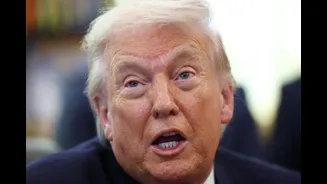
During his presidency, Donald Trump implemented a series of significant tariffs that significantly altered U.S. trade policy. These tariffs primarily targeted goods from China, with the stated aim of addressing trade imbalances and intellectual property theft. Beyond China, tariffs were also imposed on steel and aluminum imports from various countries, including allies such as Canada and the European Union. These actions triggered substantial international reactions and sparked trade disputes. Trump's approach marked a notable shift from the previous decades' trend of trade liberalization, emphasizing a more protectionist stance. His administration frequently framed these tariffs as a negotiation tactic to secure more favorable trade deals and safeguard American jobs. The implications of these policies continue to be discussed and analyzed within the global economic framework.
Affected Industries and Sectors
The tariffs implemented by the Trump administration had a diverse impact across various sectors. The steel and aluminum industries saw immediate impacts due to the imposed duties on imported materials. Manufacturers reliant on these metals experienced increased costs, which in turn affected pricing and competitiveness. The agricultural sector, particularly soybean and other crop producers, also faced significant challenges as a result of retaliatory tariffs from countries like China. These tariffs resulted in decreased exports and impacted farm incomes. Furthermore, the technology and electronics industries were affected by tariffs on Chinese goods, leading to increased costs and potential disruption of supply chains. The repercussions of these trade policies rippled throughout the U.S. economy, influencing employment, investment, and consumer prices across several industries.
Global Trade Implications
Trump's trade tariffs spurred a series of notable global trade implications, particularly involving the United States. Trade tensions with China escalated, leading to reciprocal tariffs and a slowdown in trade between the two largest economies. The U.S. also engaged in trade disputes with other major trading partners, including the European Union and Canada, leading to uncertainty and volatility in international trade. These actions challenged the norms of the World Trade Organization (WTO), as some tariffs were viewed as violating trade agreements. The imposition of tariffs also affected global supply chains, pushing businesses to reassess their sourcing strategies. The ripple effects of these tariffs included increased costs for consumers, shifts in trade flows, and a heightened focus on protectionist trade policies worldwide. These developments marked a significant period of change in international trade relations.
Reactions and Responses
The imposition of tariffs by the Trump administration prompted a range of responses from international partners. Countries targeted by the tariffs often responded with retaliatory tariffs on U.S. goods, escalating trade disputes. The European Union, Canada, and Mexico imposed duties on various U.S. products, affecting key industries. China's retaliatory tariffs on U.S. agricultural products and other goods had a substantial impact on the U.S. economy. International organizations, like the WTO, were drawn into the disputes as they assessed the legality and impact of the tariffs. Within the United States, reactions were mixed, with some sectors supporting the tariffs as a means of protecting domestic industries, while others, like retailers and manufacturers, raised concerns about higher costs and disrupted supply chains. These responses demonstrated the far-reaching influence of Trump’s trade policies on global commerce.
Long-term Economic Effects
The long-term economic consequences of the tariffs imposed by the Trump administration are still being analyzed and debated. Some economists argue that the tariffs contributed to higher consumer prices and reduced trade volumes. Others suggest that the tariffs helped protect domestic industries and create jobs in certain sectors. The impact on U.S. economic growth is also a subject of debate, with studies showing both negative and neutral effects. The tariffs' effects on trade relations continue to influence international negotiations and partnerships, and have altered how businesses approach global trade. Furthermore, there's ongoing discussion about the impact of the tariffs on global supply chains, with many companies reevaluating their sourcing strategies and manufacturing locations. Understanding these long-term effects requires considering numerous factors, making it a complex area of economic study.