





Sundarban's Allure
The Sundarbans, a UNESCO World Heritage site, sprawls across India and Bangladesh, forming the world's largest mangrove forest. It is a critical habitat
for the Bengal tiger, adapted to navigate the tidal waterways. The area teems with other wildlife, including saltwater crocodiles, various bird species, and diverse aquatic life. The Sundarbans acts as a natural barrier against storms and cyclones, protecting coastal communities. Conservation efforts here focus on mitigating climate change effects and protecting the tiger population. Its unique ecosystem makes the Sundarbans a vital site for both ecological health and biodiversity conservation. The intricate network of waterways and the dense mangrove vegetation provide a unique environment that supports a complex food web and sustains a rich variety of life. Ongoing preservation work is essential to ensuring the long-term health of this important ecosystem.
Chilika Lake's Majesty
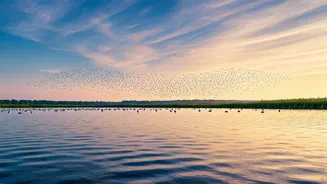
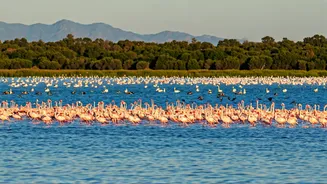
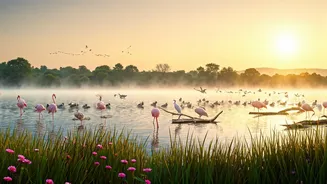
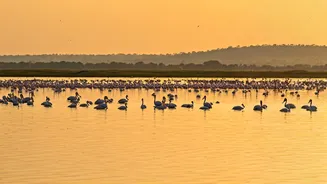
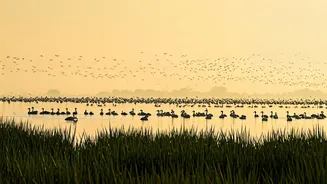
Chilika Lake, in Odisha, is Asia's largest brackish water lagoon, playing host to a spectacular display of migratory birds. Each winter, millions of birds from distant lands gather here, including flamingos, pelicans, and various species of ducks. The lake also supports a vibrant fishing community, with the ecosystem providing a source of livelihood. The diverse habitat, including islands, mudflats, and channels, supports a rich biodiversity, from aquatic plants to numerous species of fish and crustaceans. Chilika Lake is a crucial stopover point for migratory birds on the Central Asian Flyway. Conservation efforts include managing water levels and combating threats like siltation and invasive species. Its beauty and ecological value earn it a spot among India’s most important wetlands, showcasing nature's resilience and the importance of conservation.
Loktak Lake Wonders
Located in Manipur, Loktak Lake is famed for its phumdis, floating islands comprised of soil, vegetation, and organic matter. Keibul Lamjao National Park, a floating national park within Loktak Lake, houses the endangered Sangai deer, also known as the brow-antlered deer. The lake supports local communities through fishing and the collection of aquatic plants. This unique ecosystem faces challenges from pollution, invasive species, and hydroelectric projects. Despite these threats, Loktak Lake continues to fascinate visitors with its remarkable beauty and ecological significance. The conservation of the Sangai deer and the preservation of the phumdis are critical for maintaining the lake’s distinctiveness and supporting the local population. Efforts focus on balancing development with the need to protect the lake's rich biodiversity.
Wular Lake's Beauty
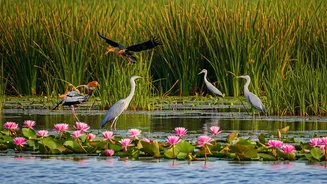
Wular Lake in Jammu and Kashmir is one of the largest freshwater lakes in Asia, essential for the region's water resources. It is a significant wetland, providing water for irrigation, fisheries, and drinking water for the local population. The lake’s diverse ecosystem supports numerous species of fish and birds, making it a crucial habitat for wildlife. Wular Lake is critical for regulating the region's climate and preventing floods. Environmental issues such as pollution and siltation pose threats to its health and productivity. Conservation initiatives aim to restore and protect this valuable resource, involving community participation and sustainable management practices. The importance of the lake extends beyond its ecological value, providing livelihoods and contributing to the cultural heritage of the area, while conservation helps preserve it for future generations.
Ashtamudi Lake's Beauty
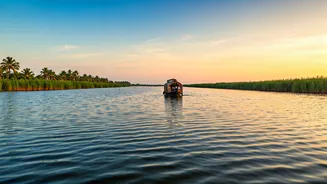
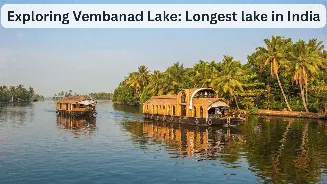
Ashtamudi Lake, located in Kerala, is renowned for its unique shape, resembling an octopus with eight arms, hence its name. It is the gateway to the backwaters of Kerala, characterized by its serene beauty and rich biodiversity. The lake's ecosystem supports various aquatic life, including fish and migratory birds. Ashtamudi Lake is a popular destination for tourists, promoting ecotourism and supporting local communities. Conservation efforts focus on managing pollution, protecting the ecosystem, and maintaining the area's natural beauty. It also offers a traditional houseboat experience. The combination of ecological richness and cultural relevance makes Ashtamudi Lake a significant wetland, illustrating the harmony between nature and human activities and the importance of preserving this area.