
Gathering Ingredients
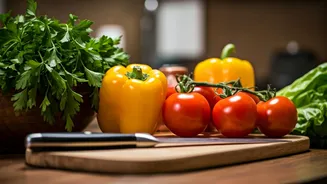
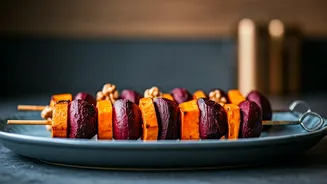
To embark on this culinary journey, you'll need to gather the necessary ingredients. The recipe calls for beetroot, which adds a vibrant color and earthy
flavor. You'll also need sweet potatoes, known for their natural sweetness and soft texture when cooked. Walnuts contribute a delightful crunch and nutty taste. Along with these primary ingredients, you'll need spices, herbs, and a binding agent to hold the kebabs together. Ensure you have all the ingredients readily available to streamline the cooking process and enhance the overall experience. The exact quantities of each ingredient will depend on the serving size you intend to prepare.
Preparing the Vegetables
The initial step involves preparing the vegetables. Begin by washing and peeling the beetroot and sweet potatoes. Once peeled, grate or finely chop both vegetables. This ensures they cook evenly and helps blend them with the other ingredients. The preparation method can affect the final texture of the kebabs; hence, chopping into small pieces will provide a smoother consistency. After grating or chopping, set the prepared vegetables aside. They will serve as the foundation of your delectable kebabs. The attention to detail in this stage guarantees a uniform texture and taste in the final product.
Mixing the Kebabs
The next step focuses on mixing the ingredients. Combine the grated or chopped beetroot and sweet potato in a mixing bowl. Finely chop the walnuts and add them to the mixture. Incorporate the spices and herbs to infuse flavor. The choice of spices is crucial, as they determine the final taste profile. It's important to use a binding agent, such as breadcrumbs or gram flour, to prevent the kebabs from falling apart during cooking. Mix all ingredients thoroughly, ensuring an even distribution of the flavors. The well-combined mixture will create the basis for perfectly shaped kebabs.
Shaping the Kebabs
Once the mixture is ready, it's time to shape the kebabs. Gently take a portion of the mixture and roll it into small, cylindrical or round shapes. The size can vary based on preference, but ensure they are uniform in size to cook evenly. You can slightly flatten the kebabs to create a more consistent cooking surface. Handle the mixture carefully to prevent it from crumbling. This step allows for a personalized touch, as you can control the shape and size of the kebabs. With practice, you can easily develop skills to shape the kebabs quickly.
Cooking the Kebabs
Now comes the cooking phase. You have a few options: shallow frying, baking, or grilling. Heat oil in a pan for shallow frying and carefully place the kebabs, ensuring not to overcrowd the pan. Cook each side until golden brown and cooked through. Alternatively, for a healthier option, you can bake the kebabs in a preheated oven. Place them on a baking sheet and bake until they turn golden. Grilling the kebabs over medium heat is another option, infusing a smoky flavor. Monitor them closely to prevent burning, and ensure even cooking on all sides. The cooking method significantly influences the final taste and texture of the kebabs.
Serving and Enjoying
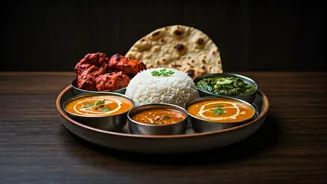
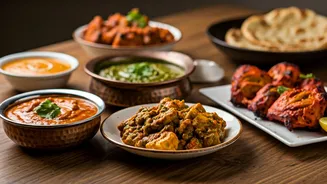
After cooking, the kebabs are ready to serve. Let them cool slightly before serving. Garnish them with fresh herbs, such as coriander or mint, for added flavor and visual appeal. Serve the kebabs with a dipping sauce, such as mint chutney, or a yogurt-based dip, for an enhanced taste. They can be enjoyed as a snack, appetizer, or part of a main meal. The combination of flavors and textures in these kebabs is a culinary treat that will satisfy your palate and leave you wanting more. Enjoy the fruits of your labor and savor the deliciousness.