



Momos: The Starters
Momos, undoubtedly, take the top spot as a Nepali favorite. These steamed dumplings are a staple, found everywhere from street food stalls to high-end
restaurants. The fillings vary widely, including minced meat (usually chicken, pork, or buffalo), vegetables, and sometimes cheese. The dough is typically made from flour and water, creating a soft casing that perfectly complements the savory filling. Momos are often served with a spicy tomato-based chutney or a sesame seed sauce, offering a delightful contrast of flavors and textures. The art of making momos lies in the perfect balance of ingredients and the skill of folding the dough to seal in the delicious filling. Their popularity stems from their portability, versatility, and, of course, their irresistible taste.
Dal Bhat: The Classic
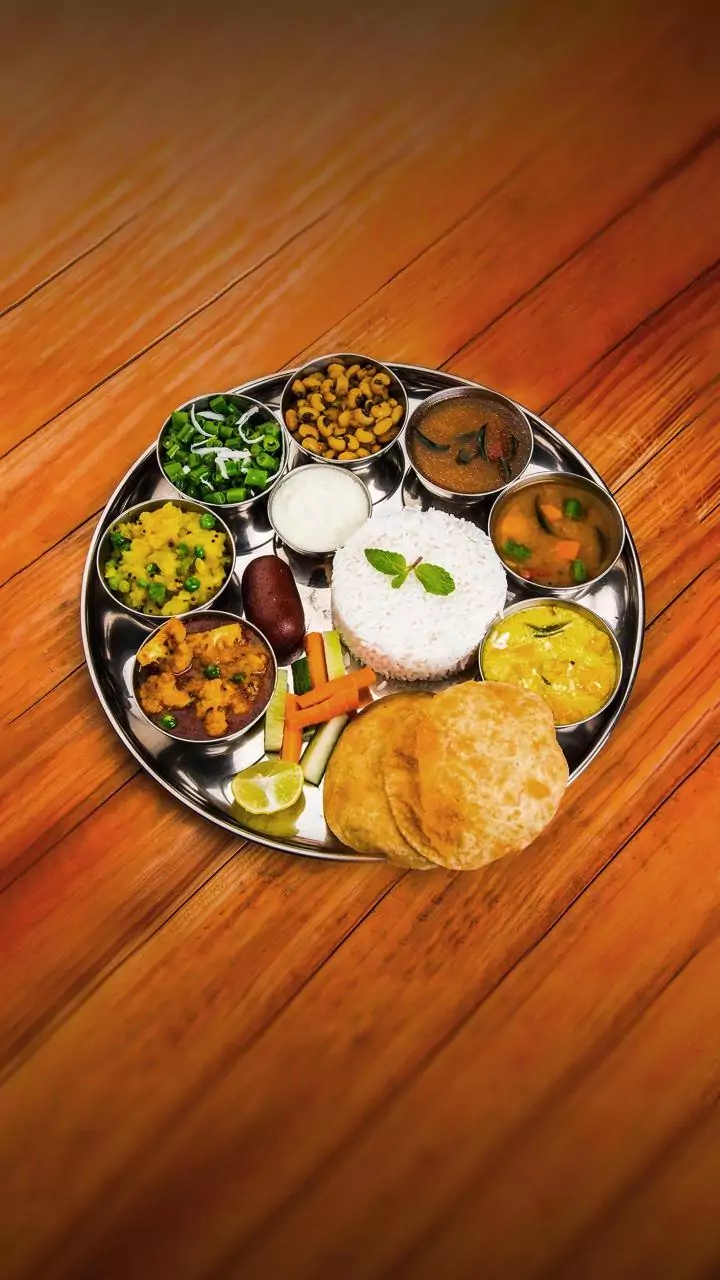
Dal Bhat, the national dish of Nepal, is a must-try. This simple yet satisfying meal consists of lentil soup (dal), steamed rice (bhat), and a vegetable curry (tarkari). The lentils are cooked with various spices, creating a hearty and flavorful soup that is perfect for pairing with rice. The vegetable curry can vary depending on the season and regional preferences, ranging from potatoes and cauliflower to spinach and mixed vegetables. Often, a side of pickles (achar) and a small portion of meat (if available) accompany the meal, adding extra depth of flavor. Dal Bhat provides a balanced and nourishing meal, representative of Nepali culinary traditions, and is widely consumed across the country, signifying the heart of Nepali cuisine.
Thukpa: Noodle Soup
Thukpa, a hearty noodle soup, is a popular dish in the Himalayan regions of Nepal. The base of thukpa is usually a broth made with vegetables or meat, creating a flavorful base for the noodles. The noodles themselves can vary in type, from thick wheat noodles to thinner versions, providing an interesting textural element. The soup also includes vegetables like carrots, cabbage, and spinach, as well as meat like chicken or yak. The soup is typically seasoned with various spices, including chili, ginger, and garlic, making it warm and comforting, perfect for cold weather. The combination of noodles, vegetables, and meat makes thukpa a complete and satisfying meal, a testament to its enduring popularity.
Sel Roti: Sweet Delight
Sel Roti is a sweet, ring-shaped rice flour bread, commonly enjoyed during festivals and celebrations. The dough is made by mixing rice flour, water, sugar, and various spices, then deep-fried until golden brown. The crispy exterior gives way to a soft, slightly chewy interior, making it a delicious treat. Sel Roti is often prepared during festivals like Tihar and Dashain, signifying joy and togetherness. It can be eaten as a snack or dessert, and its sweet flavor makes it a favorite among all age groups. The process of making Sel Roti can be time-consuming, but the result is a flavorful treat.
Chatamari: Nepali Pizza
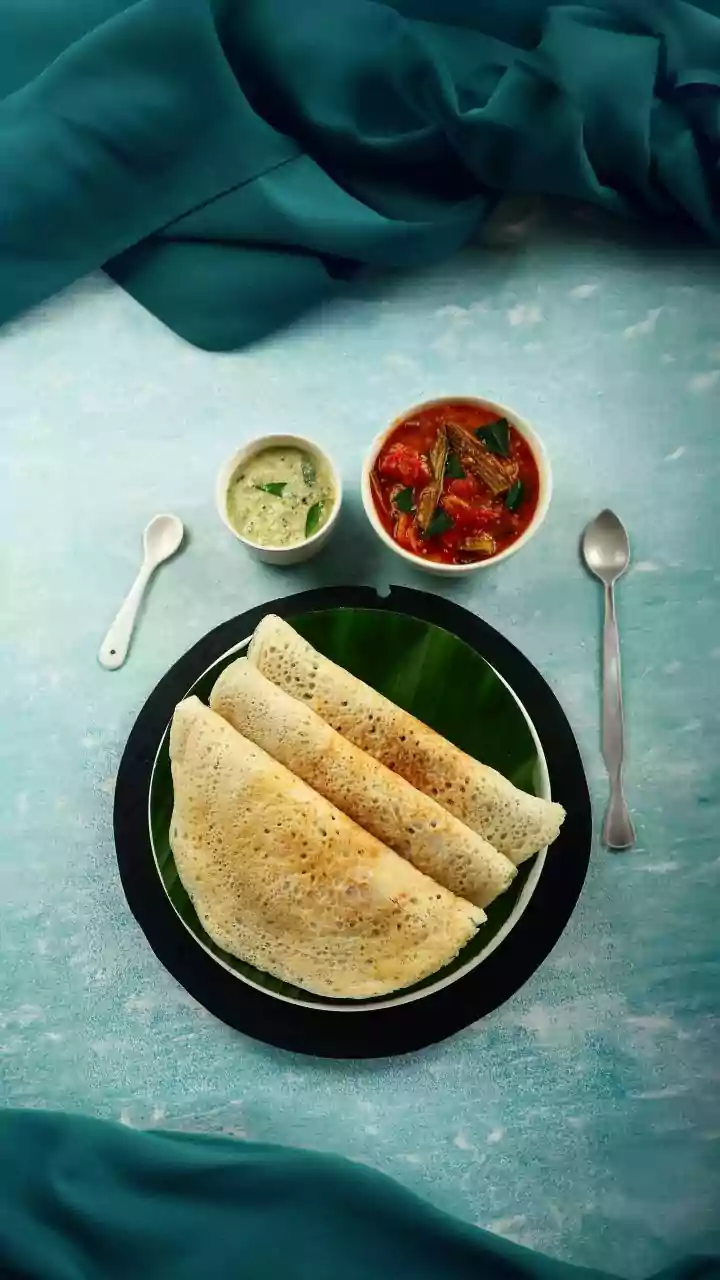
Chatamari is often referred to as the Nepali pizza, a rice flour pancake topped with various ingredients. The base is made from rice flour batter, cooked thin on a griddle until slightly crispy. The toppings can vary, including minced meat, vegetables, eggs, and spices. The combination of the crispy base and the flavorful toppings creates a delightful eating experience. Chatamari offers a unique and interesting twist on traditional cuisine and can be found in various street food stalls and restaurants. It is a popular and readily available dish for both locals and tourists alike.
Wo: Savory Pancakes
Wo, a savory pancake made from fermented lentils, is a popular Newari dish. The batter is prepared using a mix of lentils and spices, then fermented to achieve a slightly tangy flavor. The pancakes are often topped with egg, meat, or vegetables. Wo provides a satisfying and filling meal or snack option. Its unique flavor and texture make it stand out from other pancake-like dishes. Wo's fermentation process adds an interesting dimension to its taste, enhancing its appeal. The variety of toppings allows for customization based on individual preference.
Yomari: Festive Sweet
Yomari is a sweet dumpling made during the Yomari Punhi festival, a Newari celebration. The dumplings are made from rice flour dough and filled with a mixture of molasses and sesame seeds, representing prosperity and good fortune. The shape of yomari is often conical. Steaming is the primary method of cooking. It symbolizes the end of the harvest season and is often associated with family and community gatherings. Yomari's unique shape, filling, and cultural significance make it a cherished treat during the festival.
Gundruk Soup: Fermented Greens
Gundruk soup is a tangy and flavorful soup made from fermented green leafy vegetables, like mustard greens or radish leaves. The fermentation process gives gundruk its characteristic sour taste and adds depth to the flavor. The soup is typically seasoned with spices and often includes potatoes, onions, and tomatoes. Gundruk soup is a traditional Nepali dish that provides a unique taste, perfect for those who enjoy sour and savory flavors. It is a hearty and flavorful dish, often enjoyed during the colder months, offering warmth and a distinct taste.
Dhido: Staple Food
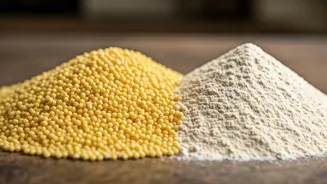
Dhido is a traditional Nepali staple made from buckwheat, millet, or cornmeal. The flour is cooked with water, forming a thick, dough-like consistency. It's often eaten with dal, vegetable curries, and pickles. Dhido offers a hearty and satisfying base for the meal. It is a good source of carbohydrates and provides a different texture to complement other dishes. The preparation is simple and it provides an authentic taste. Dhido is particularly popular in the Himalayan regions, but it is enjoyed throughout Nepal.
Tongba: Millet Drink
Tongba is a fermented millet-based alcoholic beverage, popular in the eastern regions of Nepal. The millet grains are fermented in a container and then hot water is added, to be enjoyed warm. The resulting drink is slightly sweet and has a unique flavor profile. Tongba is typically served in bamboo containers. It is often consumed during the winter months, offering a warming and sociable experience. It plays a significant role in social gatherings and cultural traditions, especially in the eastern part of Nepal.