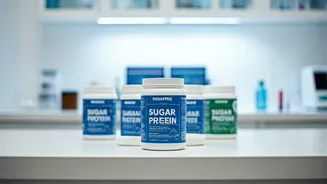







Benefits of Sugar-Free
Sugar-free protein powders present a beneficial alternative for individuals seeking to augment their protein consumption while simultaneously reducing
their sugar intake. This is particularly crucial for people managing conditions such as diabetes or those aiming to control their weight. These powders help in muscle building and repair without contributing to blood sugar spikes. They also aid in reducing overall caloric intake and can potentially contribute to improved metabolic health. Furthermore, sugar-free options avoid the adverse effects associated with excessive sugar consumption, fostering better energy levels and supporting overall wellness. These products facilitate dietary adherence and align with health-conscious lifestyles.
Decoding Ingredients Labels
Reading ingredient labels meticulously is paramount when selecting sugar-free protein powders. Pay close attention to any added sugars or artificial sweeteners, and note that even products labeled 'sugar-free' may contain sugar alcohols, which can cause digestive issues in sensitive individuals. Key ingredients to seek out are high-quality protein sources like whey protein isolate, casein protein, or plant-based proteins such as soy, pea, or brown rice protein. Always verify the protein content per serving and assess the amino acid profile for complete protein sources. Further, be aware of any added ingredients, such as thickeners or flavors, that could influence your health goals, as some of these could potentially hinder the attainment of certain desired results.
Protein Powder Types
Different types of protein powders are available in the market, each having its unique properties and advantages. Whey protein isolate is rapidly absorbed, making it suitable post-workout. Casein protein, on the other hand, digests more slowly, offering sustained protein release. For those with lactose intolerance or adhering to a vegan lifestyle, plant-based options are ideal. Soy protein is a complete protein, while pea protein provides a great alternative. Brown rice protein offers another choice. Considering your individual requirements, such as exercise regimen, dietary preferences, and tolerance levels, can assist you in determining the most appropriate protein powder for your specific needs, contributing to enhanced well-being and improved health.
Doctor’s Recommendations
Medical professionals typically recommend selecting protein powders that are free from artificial sweeteners, colors, and flavors. Furthermore, they emphasize the significance of choosing products with minimal ingredients and those that have been third-party tested for purity and quality. Doctors often advise consulting with a registered dietitian or nutritionist to determine the optimal protein intake based on individual health status, physical activity level, and dietary requirements. This will help you identify the powder best suited for your requirements, ensuring you get the most benefits. Consulting with a healthcare provider can provide tailored guidance, assisting you in making well-informed decisions and promoting optimal health outcomes.
Assessing Product Quality
Prior to purchasing any protein powder, it's essential to assess the product's quality and evaluate the reputation of the brand. Look for certifications from independent organizations like NSF International or Informed-Sport. These certifications indicate the product has been tested for contaminants and confirms the accuracy of the label. Read product reviews from other consumers and analyze the ingredients list to verify the absence of unwanted additives. Moreover, evaluate the protein content per serving to ensure it aligns with your protein requirements. Assessing these aspects can ensure your selection of a safe and efficient protein powder that suits your health goals. This diligence contributes significantly to the selection of a trustworthy product.