







Market Overview
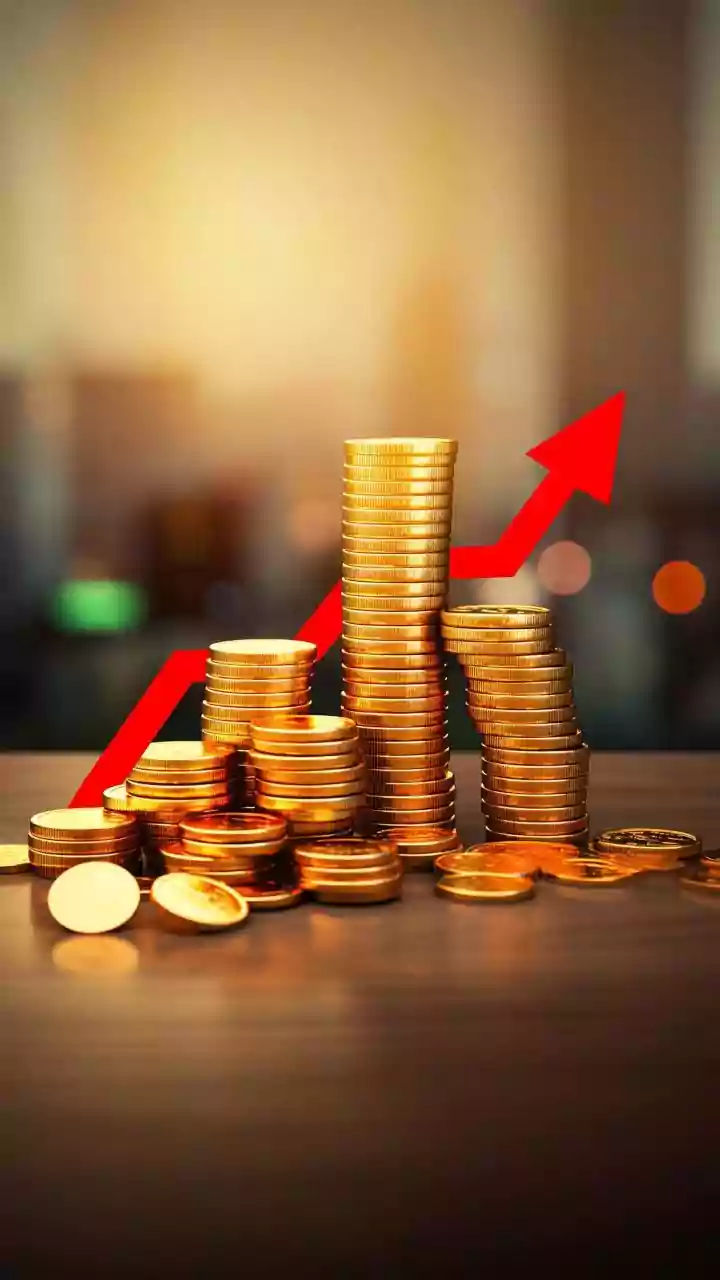
Gold and silver, historically revered and utilized for various purposes, continue to hold significant importance in the global financial landscape. Gold is frequently
seen as a safe haven asset, attracting investors during economic uncertainties. Silver, while also considered a precious metal, has a broader application in industries such as electronics and solar energy, leading to its price being influenced by industrial demand. Several factors consistently influence the prices of both metals. Economic indicators, including inflation rates and interest rate decisions by central banks, heavily impact gold and silver. A weakening dollar often makes these metals more attractive to international buyers, which can drive up prices. Geopolitical events and global instability can also increase demand as investors seek to protect their wealth. The interplay of supply and demand also plays a vital role: discoveries of new reserves, mining output, and recycling efforts affect the available supply, which in turn influences prices. The market sentiment, driven by speculation and investor confidence, can create both short-term fluctuations and sustained trends.
Gold Price Drivers
Gold's price behavior is intricate, reacting to a multitude of global influences. Primarily, the U.S. dollar's strength or weakness has a pronounced effect. When the dollar declines, gold, which is priced in dollars, becomes more affordable for purchasers using other currencies, resulting in heightened demand and potentially higher prices. Conversely, a stronger dollar can pressure gold prices. Inflation figures also play a substantial role. Gold is often perceived as a hedge against inflation. Therefore, when inflation fears rise, investors often turn to gold, anticipating its value to maintain or increase as other assets lose value. Interest rate changes, driven by central banks like the Federal Reserve, are another key factor. Higher interest rates typically make bonds more attractive investments, diverting funds away from non-yielding assets like gold. Lower rates often have the opposite effect, boosting gold's appeal. Geopolitical risks, such as conflicts and political instability, also bolster gold prices. In times of uncertainty, gold serves as a safe haven, driving up demand as investors seek refuge. These elements, working in combination, dictate the overall movement of gold prices.
Silver Price Influences
Silver, while sharing some price dynamics with gold, also has its unique set of influences. Industrial demand is a significant factor, as silver is widely used in electronics, solar panels, and other industrial applications. Increases in manufacturing or technological advancements that call for more silver will boost its price. Economic growth is tightly connected to industrial demand, as robust economic conditions drive increased manufacturing, resulting in a higher demand for silver. Like gold, the U.S. dollar's performance impacts silver, as a weaker dollar tends to make silver cheaper for international buyers, raising demand. Inflation, which can influence both precious metals, also indirectly impacts silver. Though not as consistently as with gold, it can serve as a hedge against inflation to some extent. The gold-to-silver ratio is a widely watched metric, indicating how many ounces of silver it takes to buy one ounce of gold. This ratio helps investors assess the relative value of silver and gold, thereby influencing trading strategies. Furthermore, supply considerations—including mining output and recycling rates—are crucial. Unexpected drops in silver production or growing demand can create scarcity and affect prices. Overall, silver prices are swayed by an interplay of industrial needs, economic indicators, currency strength, and market perception.
Predicting Future Trends
Forecasting precious metal prices is inherently complex, relying on the analysis of numerous variables. Predictions are not guarantees, but instead, offer informed estimates based on present and anticipated conditions. Economic outlooks are critical: projections of economic expansion or recession, along with inflation forecasts, are primary determinants. Analysts closely watch for signs of inflationary pressure, as rising inflation commonly supports the price of gold. Dollar trends also come into play; a weaker dollar can make both gold and silver more appealing to foreign buyers. Geopolitical risks, such as international conflicts or political instability, also need assessment as these can boost safe-haven demand, thereby influencing prices. Technological innovations, particularly in the renewable energy sector, can influence silver’s value, as solar panel manufacturing consumes large quantities of it. Market sentiment and investor behavior, influenced by news and market commentary, are also very influential. These factors, analyzed together, provide a view of possible future directions in gold and silver prices. Remember to consult diverse sources and maintain a flexible approach as market conditions evolve.
Investment Strategies
Various strategies exist for investing in gold and silver, tailored to different risk tolerances and investment objectives. Direct ownership of physical gold, such as bullion or coins, offers a straightforward approach, providing tangible assets that may be stored securely. Another option is investing in gold-backed exchange-traded funds (ETFs), allowing investors to gain exposure to gold prices without the need for physical storage. Similarly, silver ETFs offer exposure to the silver market. For those seeking higher risk and potential returns, trading in gold and silver futures contracts allows investors to speculate on price movements. Purchasing mining company stocks provides another avenue, but investors should be aware that these stocks are susceptible to market factors and operational risks associated with mining. Diversification is a crucial aspect of investment, meaning that one should not solely rely on these metals to build wealth; investors should include gold or silver as one part of a balanced portfolio. Before investing, a thorough understanding of market dynamics, as well as a defined investment strategy, is crucial. Moreover, regularly monitoring portfolio performance and being ready to adjust to evolving market conditions will help investors manage risks and capitalize on opportunities. Seeking advice from financial professionals can also provide tailored insights and guidance.