





FTA: An Overview
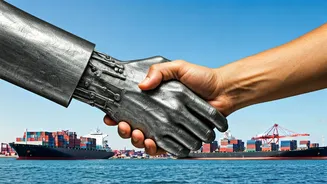
The India-EU Free Trade Agreement is designed to reduce trade barriers and boost economic cooperation between India and the European Union. This comprehensive
agreement addresses tariffs, regulations, and other trade-related issues. The aim is to increase trade volume, attract investment, and foster stronger economic ties. The deal's success hinges on balancing the interests of various industries and ensuring fair competition. It is expected to create new opportunities for businesses in both India and the EU. The agreement is also intended to improve market access for goods and services. Overall, the FTA signifies a strategic move towards deeper economic integration. The negotiation process involved detailed discussions on various aspects of trade, aiming for mutual benefits. Its impact will be visible across multiple sectors, influencing both local and international markets.
Winners: Beneficiaries
Several sectors are poised to gain significantly from the India-EU FTA. The food and beverage industry is set to benefit, with many products expected to become cheaper. This includes various imported items, providing consumers with more choices and potentially lower prices. Manufacturing sectors, particularly those with strong export potential, are likely to see increased demand. Industries that rely on European technology and expertise may also benefit from easier access and lower costs. Furthermore, the FTA could boost the service sector, providing opportunities for Indian companies to expand into the European market. Increased investment from the EU could also drive growth, creating jobs and stimulating economic activity. These sectors stand to gain from reduced tariffs and streamlined trade procedures.
Losers: Facing Challenges
While the FTA offers benefits, some sectors in India may face challenges. Industries competing with European imports could experience increased competition, potentially impacting domestic manufacturers. Small and medium-sized enterprises (SMEs) might find it difficult to adjust to the new competitive landscape. Certain agricultural sectors could also face challenges if their products are not competitive in the European market. The agreement necessitates adaptation and innovation to remain viable. Government support and strategic planning will be crucial for these sectors to navigate the changes. Furthermore, the impact on employment will need to be carefully monitored, and measures might be required to mitigate potential job losses. The adjustment period is crucial for firms to adapt.
Foods & Beverages Cheaper
A significant outcome of the India-EU trade deal is the expected reduction in prices for many food and beverage products. This means that consumers in India can look forward to paying less for certain imported items. The range of products affected is substantial, including specific processed foods, beverages, and other consumables. This change will likely lead to greater consumer choice and affordability. The lower prices may also stimulate consumption and boost related industries, such as retail and distribution. This aspect of the agreement is designed to make foreign goods more accessible and affordable for Indian consumers. Retailers can also look forward to an increase in footfall, which would lead to an overall business increment.
FTA's Overall Impact
The India-EU FTA is expected to have a broad impact on the Indian economy. It is anticipated to boost trade volume, leading to economic growth and development. The agreement could also attract more foreign direct investment (FDI), which can help modernize industries and create jobs. The FTA's impact will extend beyond just trade, influencing various aspects of the economy. Enhanced cooperation between India and the EU could lead to technological advancements and improved standards. The long-term effects of the FTA will depend on several factors, including how well businesses adapt. The agreement’s success hinges on effective implementation, which would involve simplifying procedures and addressing potential challenges. Moreover, this agreement reflects India’s growing importance in the global economy and its commitment to international trade.