





Silver's Price Surge
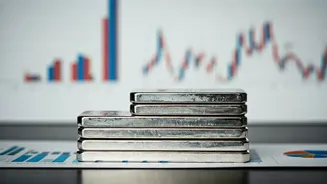
The price of silver has seen a significant increase, surpassing the Rs 3 lakh per kg mark. This upward trend reflects a growing demand for the precious
metal, influenced by factors like investment interest and industrial applications. It's crucial to understand that such price movements are not isolated events; they are often interconnected with broader economic trends, including inflation concerns and fluctuations in global currency values. The surge in silver prices is a result of a complex interplay of supply and demand, with investors viewing silver as a hedge against economic uncertainties, increasing its appeal in turbulent times.
Silver vs Gold
A common comparison is drawn between silver and gold, particularly within investment circles. While both metals are considered safe-haven assets, their behaviors in the market often differ. Currently, the price of gold is also experiencing an upturn, although the percentage increase might not be as pronounced as that of silver. This divergence can be attributed to the varied industrial applications of silver, which contributes to its price sensitivity to the manufacturing sector's activity. Gold, on the other hand, is seen as more of a traditional store of value and thus may respond differently to market dynamics, often reflecting investor confidence more directly. Understanding these differences helps investors make informed decisions based on their risk tolerance and investment strategies.
Factors at Play
Several key elements influence the price of silver. Global economic conditions, including inflation rates and interest rate policies, significantly impact investor sentiment towards precious metals. Industrial demand is another critical factor; silver's use in electronics, solar panels, and other manufacturing processes drives demand. Any shifts in industrial production or technological advancements can thus influence silver's price. Investment demand, influenced by economic uncertainties and safe-haven seeking behavior, adds another layer of complexity. Furthermore, the supply side, including mining outputs and recycling efforts, impacts the availability of silver in the market, ultimately affecting its price levels. These factors interact dynamically, making the silver market a complex system influenced by numerous global developments.
Market Trends Analysis
Analyzing the trends in the silver market involves closely examining the interplay of supply, demand, and investor behavior. Recent market activity indicates a strong demand for silver, particularly from investors looking to diversify their portfolios or hedge against economic risks. This demand is often fueled by geopolitical uncertainties or inflationary pressures, prompting investors to seek safe-haven assets. Concurrently, supply-side factors such as mining output and the availability of recycled silver play a role. Understanding these trends requires regular monitoring of economic indicators, geopolitical developments, and industrial activity reports. By assessing these components, one can better understand the forces driving silver prices and anticipate future market movements.