
Balochistan's Conflict Unfolds
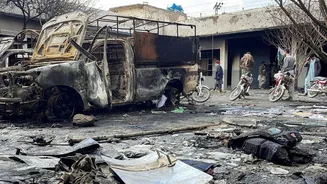
The province of Balochistan has been experiencing an increase in violence, leading to a complex web of claims and counterclaims. Pakistan has placed the
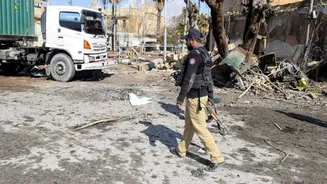
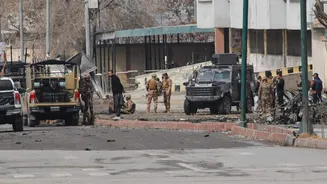
blame on India, citing alleged involvement in the unrest within the region. This accusation points to a deeper geopolitical struggle, with both nations vying for influence and stability in the area. The conflict has resulted in significant loss of life, contributing to an already volatile situation. According to reports, Pakistan initiated combing operations in response to attacks, resulting in the reported deaths of 145 militants. This figure underscores the intensity of the struggle and the tragic human cost associated with it. The events in Balochistan reflect a broader pattern of instability and the complexities of international relations in the region, adding fuel to the already tense situation. The unfolding scenario is raising critical questions about the causes of the unrest and its potential ramifications on regional security. The involvement of external actors complicates matters, highlighting the need for deeper understanding to resolve the crisis effectively.
Pakistan's Accusations Unveiled
Pakistan's government has formally accused India of backing the unrest in Balochistan. The accusations suggest that India is providing support to separatist groups operating within the region. These claims have been made in the context of increased violence and attacks, which Pakistan attributes to external forces. By placing the blame on India, Pakistan seeks to cast the situation as a manifestation of a foreign-backed plot. This stance provides context to the security operations in Balochistan, aiming to justify the measures taken in response to the growing instability. This narrative underscores the intensity of the existing tensions between the two nations and complicates any efforts toward peaceful resolutions. The specific evidence Pakistan has presented to support its claims will become critical to the analysis of the situation. The ongoing exchange of allegations and denials only adds to the complexity and tension in the region, further straining relations.
India's Rebuttal and Response
India has strongly refuted Pakistan's accusations, rejecting any involvement in the unrest in Balochistan. The Indian government has dismissed the claims as unfounded and baseless, framing them as attempts to deflect from Pakistan's internal struggles. This rebuttal underscores India's commitment to non-interference in Pakistan's internal affairs, but also represents a countermeasure to Pakistan's narrative. The rejection of these allegations suggests that India views the accusations as a maneuver within the ongoing geopolitical conflict between the two nations. This response highlights the sensitivity of the situation and the difficulties in achieving any consensus or cooperation while these disagreements persist. The need for evidence to support the claims made by both sides remains paramount. This ongoing dispute underscores the complexities of international relations and the challenges in building trust and peace.
Bloodshed and Operations
The violence in Balochistan has led to significant loss of life, as highlighted by the reported deaths of 145 militants during combing operations conducted by Pakistani forces. These operations, undertaken in response to attacks, demonstrate the seriousness of the situation and the measures being employed to regain control. The death toll indicates the intensity of the struggle and the human cost associated with the unrest. The details of these operations and the events leading up to them reveal the severity of the conflict and the efforts to curb it. The military action underscores the challenges faced by authorities in dealing with the complex issues in Balochistan and the impact on the local population. The high number of fatalities raises significant questions about the nature of the conflict and the ongoing stability of the region, emphasizing the urgent need for a more peaceful resolution. The combing operations themselves point to a larger issue of security and governance in Balochistan.