





Skin & Hair Dryness
When you shed pounds rapidly or follow extremely restrictive diets, your body might not be getting enough essential fatty acids, zinc, vitamin A, and protein.
These nutrients are vital for maintaining your skin's protective barrier and its natural oils. A lack of healthy fats can lead to reduced sebum production, resulting in dry, flaky skin. Similarly, insufficient protein and zinc can hinder keratin production, a key component of hair, leading to brittleness and poor quality.
Excessive Hair Fall
Hair follicles are active parts of your body that require a steady supply of iron, biotin, protein, and various B vitamins to grow. Aggressive dieting drastically cuts calorie intake and nutrient availability, which can shock the follicles into a shedding phase. Moreover, prolonged calorie restriction can sometimes lead to lower thyroid hormone levels, a condition known to slow down hair follicle turnover and contribute to hair loss. This impact on your hair can be a clear indicator of an unhealthy approach to slimming down.
Hollow Eyes & Dark Circles
A significant loss of subcutaneous fat beneath the eyes, often a consequence of rapid fat reduction, can make the area appear hollow. Dark circles can stem from various issues, including poorer blood circulation, a deficiency in iron, or inflammation within the gut. Additionally, unbalanced diets can reduce the body's ability to synthesize collagen, leading to thinner skin that makes underlying veins more visible and can exacerbate the appearance of hollowness and darkness.
Brittle, Weak Nails
Your fingernails, much like your hair, are primarily composed of keratin. This protein requires sulfur-containing amino acids such as cysteine and methionine, along with biotin, for proper formation and strength. When your diet lacks sufficient protein or essential micronutrients, the rate at which your nails grow can slow down, and they may become prone to splitting and breaking, a condition known as lamellar splitting.
Muscle Cramps & Weakness
The proper functioning of muscles, including their ability to contract smoothly, relies heavily on minerals like calcium, magnesium, and potassium, as well as adequate ATP (adenosine triphosphate) for energy. When your body experiences deficits in energy or electrolytes, nerves can become overactive, leading to painful muscle cramps. Furthermore, insufficient protein intake can result in sarcopenia, the gradual loss of muscle mass, contributing to overall weakness.
Frequent Infections
Your immune system's ability to produce white blood cells and antibodies, essential for fighting off infections, depends on having enough amino acids, zinc, vitamin C, and vitamin D. Severe calorie restriction or a lack of protein can weaken both your innate and adaptive immune responses, leaving you more susceptible to illnesses and making recovery take longer.
Joint Pain & Cracking
Rapid weight reduction can sometimes lead to a loss of protective fat padding around your joints. Moreover, a decrease in collagen and cartilage integrity can make your joints more vulnerable to stress and discomfort. An imbalance in dietary fats, particularly a low intake of omega-3s and a high ratio of omega-6s, can also promote inflammation, exacerbating joint pain and stiffness.
Dizziness & General Weakness
Feeling dizzy and weak can often be linked to low blood glucose levels and insufficient hemoglobin. This means your brain and muscles aren't receiving adequate oxygen and energy. Deficiencies in iron, vitamin B12, and folate can lead to anemia. Additionally, dehydration and the loss of electrolytes, common during aggressive weight loss, can worsen orthostatic hypotension, the lightheadedness experienced when standing up too quickly.
Menstrual Irregularities
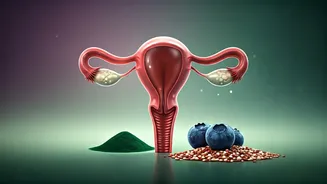
A healthy reproductive system, particularly the hypothalamic-pituitary-ovarian (HPO) axis, requires sufficient energy reserves and body fat to regulate the hormones responsible for menstruation, like GnRH, FSH, LH, estrogen, and progesterone. When you're consistently restricting calories, your hypothalamus may suppress GnRH to conserve energy, potentially leading to missed periods (amenorrhea) or painful menstruation (dysmenorrhea).
Numbness & Tingling
Vitamins B12 and B6 play a crucial role in maintaining the health of the myelin sheath, the protective covering around nerve fibers, which is essential for efficient nerve signal transmission. A deficiency in these vitamins can lead to demyelination, damaging the nerves and causing symptoms like numbness and tingling sensations, particularly in your hands and feet.