




State Capitalism Explained
State capitalism, as potentially implemented by Trump, entails a significant role for the government in directing economic activity. This could involve
direct government investment in specific companies or sectors, strategic trade policies like tariffs, and potentially, a more assertive foreign policy aimed at furthering economic interests. The essence lies in the government taking a more active role in guiding the economy, influencing market dynamics, and impacting the global landscape. This model contrasts with a purely free-market approach, where the government's intervention is typically minimal. The shift could alter existing economic balances and necessitate adjustments from both businesses and international partners. The potential impacts span diverse sectors, requiring an understanding of how state capitalism may reshape the competitive environment. The interplay between government and business becomes more complex, requiring companies to adjust their strategies to navigate the new operational realities. These changes would influence various industries, making it crucial to assess the evolving roles of government and the implications for global commerce.
Foreign Aid Revisions
A notable facet of the potential Trump administration's agenda involves alterations to foreign aid. While details would depend on specific policies, a change in approach is possible, aligning with an emphasis on prioritizing domestic interests and potentially re-evaluating global commitments. Such a shift could entail adjustments to the allocation of foreign aid, influencing relationships with recipient nations and impacting global humanitarian efforts. Considering that the U.S. Congress has previously allocated significantly more in foreign aid than Trump sought, the potential changes could spark significant debate. The economic dimensions of this strategy involve carefully assessing the effectiveness and impact of aid programs, in addition to aligning resources with strategic national objectives. The effects of modifying foreign aid are broad, affecting both recipient nations and the international standing of the United States. Moreover, it could reshape partnerships, influencing international relations in critical areas like security, trade, and diplomacy. The interplay of these alterations underscores how the economic outlook would be profoundly affected by shifts in foreign aid policy.
Tariffs and Trade Policy
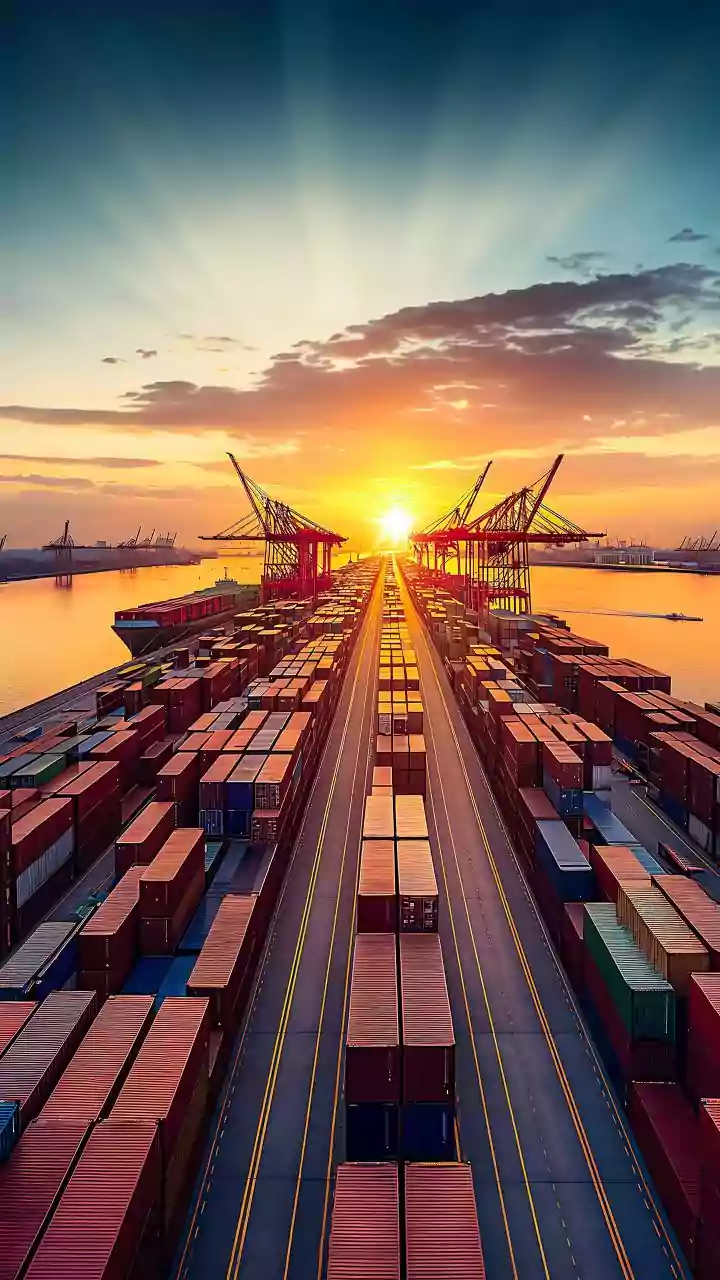
Trump's approach to trade, particularly through the use of tariffs, could be a pivotal element of his second term. If tariffs were to be expanded, the effects on international trade relationships and the U.S. economy would be considerable. Historically, tariffs have often led to retaliatory measures from trading partners, potentially resulting in trade wars that disrupt global supply chains and increase costs for consumers. Such policies could target specific sectors, altering the competitive landscape and influencing the financial performance of companies within those industries. Conversely, proponents argue tariffs are necessary to protect domestic industries and create jobs. However, such measures have the potential to disrupt established economic ties, leading to uncertainty in the markets. Therefore, a careful analysis is needed to weigh the potential advantages and disadvantages of tariffs and how they might influence economic growth, employment, and the overall health of the American economy. The repercussions are far-reaching, encompassing not only economic factors but also the United States' international relationships.
Key Economic Sectors
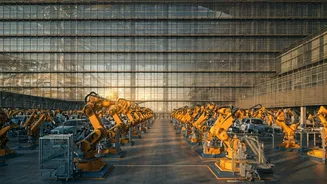
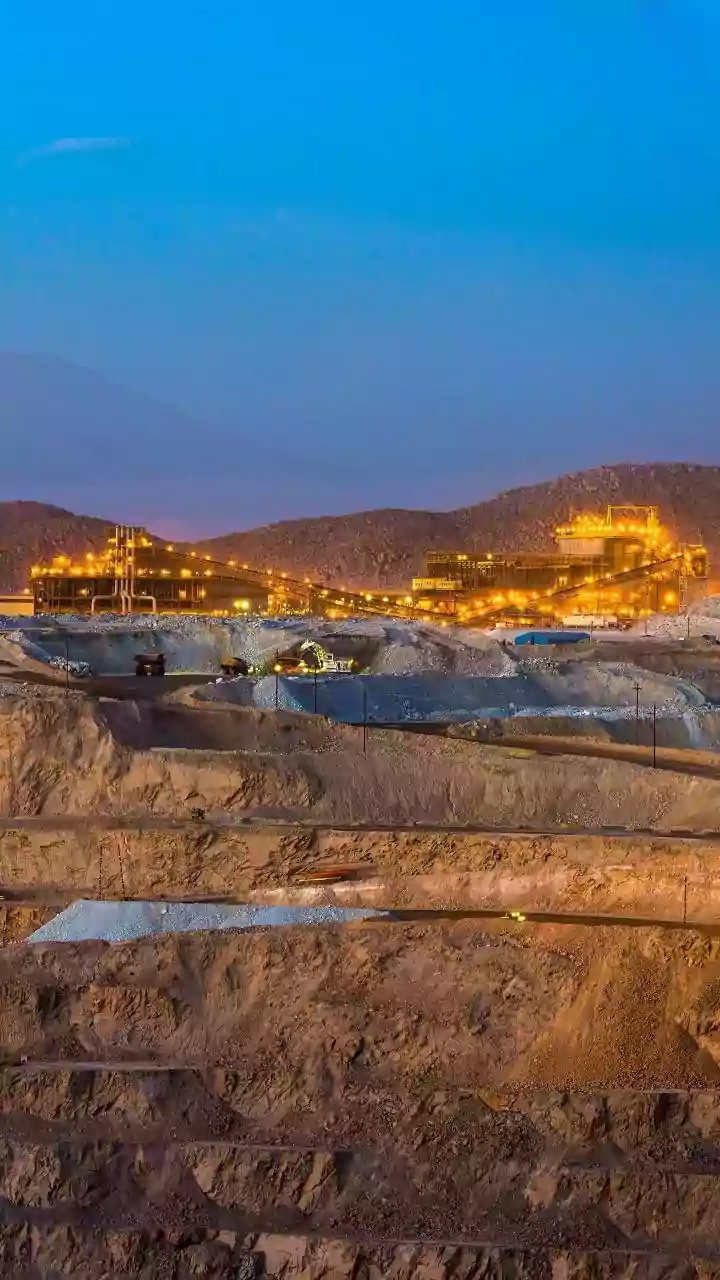
Various economic sectors would likely be profoundly influenced by the policies of a second Trump administration, with state capitalism at the helm. Industries like technology, manufacturing, and energy could see significant shifts. Considering the specific companies mentioned (Nvidia, Intel, U.S. Steel, etc.), a focus on domestic production and strategic partnerships is possible. The energy sector, including areas like lithium extraction, could be subject to increased government intervention and strategic investments to secure resources and promote domestic capabilities. These measures might reshape market dynamics, driving some sectors and potentially weakening others, depending on policy implementation. The outcome of such strategic changes would be felt across the economic landscape. Businesses should be prepared to adapt to altered trade policies, evolving regulations, and potential government influence in the allocation of resources. The degree to which these changes could affect specific sectors hinges on the precise nature of the proposed initiatives and the speed with which they are executed.
Geopolitical Implications
A second Trump term could produce substantial shifts in geopolitical dynamics, influencing alliances and global partnerships. A focus on state capitalism may lead to more assertive foreign policy decisions, potentially reshaping the U.S.'s role on the global stage. This approach could involve changes to strategic alliances, adjustments in relationships with key countries, and modifications to the approach to international cooperation. The shifts could affect trade agreements, diplomatic initiatives, and the United States' standing in international organizations. A change in policy also impacts areas like defense spending and military strategies. The interplay of economic and political tactics would probably redefine the global power structure and the relationships between the United States and other major global players. The strategic implications would require careful examination to assess their impact on international stability, trade relationships, and the overall security environment, influencing areas from diplomacy to national defense.