






A New Dawn for Dahisar
The Brihanmumbai Municipal Corporation (BMC) has initiated a comprehensive rejuvenation program for the historically significant Dahisar River, which has suffered
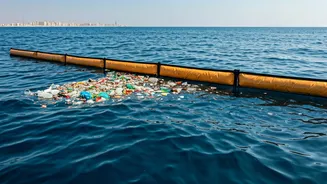
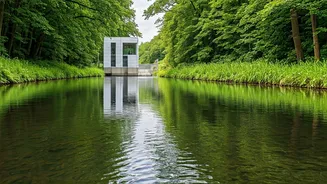
from decades of pollution. This ambitious project aims to restore the river's health and ecological balance. The first phase of this extensive undertaking was marked by the recent inauguration of two crucial Sewage Treatment Plants (STPs) by Union Minister Piyush Goyal, who also serves as the Member of Parliament for Mumbai North. These state-of-the-art facilities are engineered to drastically enhance the river's water quality, a stark contrast to its previous polluted state, setting the stage for a revitalized waterway that will benefit the local environment and community.
Transformative Water Quality Gains
The newly operational STPs are poised to revolutionize the Dahisar River's water quality, promising an improvement that is a staggering 40 times greater than before. Prior to the treatment, the river's Biochemical Oxygen Demand (BOD) level, a key indicator of water pollution, stood at a concerning 78.8 mg/l. Following the treatment processes implemented by the two STPs, this figure has plummeted to an impressive 1.91 mg/l. This remarkable reduction signifies a substantial decrease in pollutants and a significant influx of dissolved oxygen, making the water considerably healthier. The BMC invested approximately Rs 245 crore in the construction of these two vital facilities, underscoring the commitment to this environmental restoration project.
Bridging Past and Future
Union Minister Piyush Goyal emphasized the profound responsibility citizens share in rejuvenating the Dahisar River, drawing parallels to the revered Ganga and Sabarmati rivers. He articulated that true development encompasses not only infrastructure growth but also the critical imperative of environmental protection. The Dahisar River, originating within the verdant expanse of Sanjay Gandhi National Park near Kanheri Caves, meanders through densely populated northern Mumbai suburbs like Oshiwara, Dahisar, and Borivali before its eventual confluence with the Arabian Sea. As Mumbai's population has surged, untreated wastewater and effluents from residential and commercial zones have regrettably been discharged directly into the river, leading to its severe degradation and the characteristic blackening of its waters.
A Vision for Eco-Tourism
Looking ahead, the rejuvenation plan extends beyond mere pollution control. Manisha Chaudhuri, a Bharatiya Janata Party MLA representing Dahisar, outlined the forthcoming phases of the project. These plans include the development of scenic walkways along the riverbanks and further enhancements to water quality that could potentially enable recreational activities such as boating and the establishment of eco-tourism initiatives. Chaudhuri also highlighted the river's rich historical significance, noting its use as a major transport route by Raja Bimba centuries ago and its past role in film shootings during the 1950s. This historical context underscores the collective responsibility to restore the river's vitality and its potential for future engagement.
STP Capacity and Function
The two Sewage Treatment Plants (STPs) inaugurated represent a critical barrier against the continued pollution of the Dahisar River. One STP possesses a substantial daily treatment capacity of 5 million litres of sewage, while the second is designed to process 1.5 million litres per day. These facilities are strategically positioned to intercept wastewater and effluents before they enter the river. The operational principle involves capturing these pollutants, treating the water to remove harmful substances, and then releasing the cleansed water back into the river. This process is fundamental to improving the river's ecosystem and reversing the environmental damage caused by decades of untreated discharge.