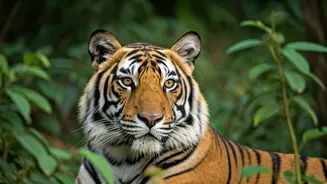







Prime Tiger Locations
India's national parks provide a sanctuary for tigers, drawing wildlife enthusiasts seeking to witness the majestic big cats. Numerous safari gates within
these parks provide access for visitors, but some offer better chances of tiger sightings than others. This guide highlights five such gates in North Indian national parks, renowned for their high tiger populations and favorable sighting conditions. Factors such as habitat quality, conservation efforts, and the presence of prey animals contribute to the success of these locations. These gates are popular among tourists and researchers alike, providing opportunities to study and observe tigers in their natural environment.
Gate 1: Kanha National Park
Kanha National Park, located in Madhya Pradesh, is a haven for tigers and other wildlife, attracting many visitors. The park is celebrated for its lush sal and bamboo forests, expansive grasslands, and diverse terrain. This varied habitat supports a thriving ecosystem that includes a substantial tiger population. The safari gates in Kanha provide various routes through the park, each offering unique perspectives and opportunities for spotting tigers. The park’s conservation initiatives and efforts to protect the tigers’ habitat have contributed to increased tiger sightings, making Kanha a prime choice for wildlife enthusiasts. Kanha is well-equipped with amenities, including accommodation and guides, making it a convenient destination for all types of travelers.
Gate 2: Bandhavgarh Tiger Reserve
Bandhavgarh Tiger Reserve is another prominent location in Madhya Pradesh, celebrated for its high tiger density. It boasts a landscape of undulating hills, dense forests, and open meadows, providing an ideal environment for tigers and other wildlife to flourish. The park's terrain varies from steep cliffs to lush valleys, which adds to the excitement for visitors. The safari gates at Bandhavgarh offer access to areas where tiger sightings are more frequent. Bandhavgarh's tiger population has seen a significant increase, thanks to strong conservation strategies. The park's historical significance, which includes ancient forts and caves, also adds a unique charm, attracting history buffs and nature lovers.
Gate 3: Ranthambore National Park
Ranthambore National Park, in Rajasthan, is a significant location for tiger sightings, set in a unique environment characterized by rugged hills, dry deciduous forests, and ancient ruins. The park's diverse terrain and landscape create diverse habitats for tigers, which often roam freely. The park's history includes remnants of royal hunting grounds and old forts, offering a blend of natural beauty and historical significance. The safari gates within Ranthambore allow visitors to explore the park and increase their chances of tiger sightings. The park's conservation efforts and tourism infrastructure have made it a favorite destination for both domestic and international visitors. Ranthambore's reputation for tiger sightings, along with its unique blend of history and nature, makes it a favored safari destination.
Gate 4: Corbett National Park
Jim Corbett National Park in Uttarakhand, is India's oldest national park and a renowned destination for tiger sightings. Known for its varied landscape of dense forests, grasslands, and river valleys, it creates a habitat that supports a large tiger population. The park provides various safari gates, allowing visitors to explore different areas, each with opportunities for tiger spotting. Corbett's rich history, starting from its establishment in 1936, and its significant conservation work have contributed to preserving the tiger population. The park’s location in the foothills of the Himalayas adds to its scenic beauty, making it a well-liked destination for nature enthusiasts. The park is also known for its efforts towards wildlife conservation and management.
Gate 5: Pench National Park
Pench National Park, straddling the states of Madhya Pradesh and Maharashtra, is another promising location for tiger sightings. The park's landscape includes teak forests, grassy meadows, and the Pench River, creating an ideal habitat. Pench's biodiversity, including various species of mammals, birds, and reptiles, contributes to its ecological importance. The safari gates in Pench offer exploration routes through the park, enhancing the likelihood of seeing tigers. The park's conservation and management efforts are aimed at protecting its tiger population and habitat. Pench's accessibility and available amenities make it a comfortable location for tourists. The park's conservation and diverse wildlife contribute to its popularity.