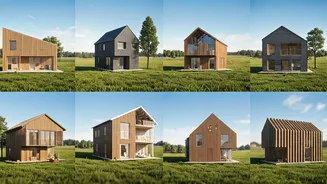

Tiny Living Defined
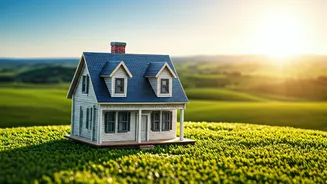
The first home on our list challenges the conventional notion of space. It's an exploration of the minimalist lifestyle, where less truly becomes more.
The appeal of these residences is in their ability to offer freedom from the complexities of modern living. In a world often defined by excess, these houses provide a refuge, a chance to reconnect with what's truly essential. Small homes require innovative solutions. Every square inch has to be maximized and every design decision is critical. This approach brings out the creativity and resourcefulness of their owners and architects. Ultimately, the tiny house movement is not just about downsizing, but about upscaling - in experiences, freedom and sustainability, offering a unique opportunity to redefine the meaning of home.
The Compactest Abodes
The journey begins with an exploration of houses that redefine the term 'compact'. Some of these homes span only a few square meters, proving that small spaces don’t necessarily equate to a lack of comfort. Despite their diminutive size, each home tells a unique story. From historical structures to modern marvels, they show the broad spectrum of creativity. Within these homes, functionality is key. Every element is carefully chosen, ensuring maximum utility. Space-saving furniture, multi-purpose items, and smart storage solutions become essential, transforming small spaces into fully functional homes. The owners often become ingenious, creating living spaces that are both efficient and aesthetically pleasing. These spaces emphasize clever design and a commitment to essential living.
Global Tiny Homes
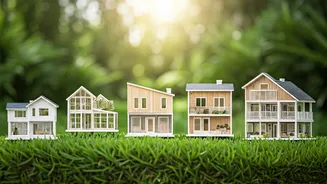
We will travel through a diverse array of locations, from bustling cityscapes to remote natural settings, each with its own style and design. Each tiny house reflects the local culture and the owner's lifestyle, creating a vibrant collection of miniature dwellings. Some homes boast cutting-edge eco-friendly technologies, showcasing a commitment to environmental sustainability. Solar panels, rainwater harvesting systems, and energy-efficient appliances become the norm, reducing the environmental footprint. Other homes focus on the traditional, using locally sourced materials and embracing regional craftsmanship. The variety of styles demonstrates that tiny living adapts to both modern and traditional ways of life. This global tour highlights the amazing potential of tiny living.
Design & Innovation
The designs displayed reveal the imaginative ideas of architects and homeowners. Each of these small abodes exhibits clever design and creative ingenuity. Multi-functional furniture, transforming spaces, and hidden storage options are just some of the ways these homes maximize their footprint. The interiors show a focus on efficient living while making the most of every corner. The design of these houses is a testament to the power of human ingenuity. They show how imaginative designs can transform small spaces into practical and beautiful homes, showing that less can truly be more. These designs challenge conventional ideas about the space and prove that functionality and style can coexist.
Challenges & Solutions
Living in a small space presents a unique set of challenges, but also offers the opportunity for innovative solutions. One major aspect is storage: owners need to be creative to maintain a clutter-free environment. Smart storage solutions, such as hidden compartments, built-in shelving, and multipurpose furniture, are essential to maximize space. Another challenge is the feeling of spaciousness. Large windows, strategic use of mirrors, and open floor plans help create a sense of expansion. The ability to make the most of every inch makes tiny living an exciting and rewarding experience. This section celebrates the ingenuity of small-space living, proving that it is possible to live comfortably and stylishly, regardless of size.
Cost & Sustainability
The tiny house movement often advocates for affordable and sustainable housing. The smaller size of these homes can lead to lower construction costs, reduced utility bills, and a smaller environmental impact. One of the main advantages is financial freedom. Downsizing allows homeowners to save money on mortgage payments, property taxes, and maintenance expenses, freeing up funds. In addition, the commitment to sustainability is evident. Many tiny homes incorporate eco-friendly features like solar panels, rainwater harvesting, and recycled materials. These decisions not only reduce the environmental footprint but also enhance the homeowner's connection to nature. Tiny homes are a way of life that values simplicity, sustainability, and financial freedom.
Lifestyle Adaptations
The transition to tiny living requires adapting one's lifestyle. One of the primary changes involves a new relationship with possessions. The owners carefully curate their belongings, focusing on quality rather than quantity. This minimalist approach fosters a sense of gratitude for what is truly essential. Cooking and eating habits also change. Compact kitchens encourage simple and efficient cooking practices. Homeowners often prioritize fresh, local ingredients and embrace a more mindful approach to meal preparation. Small homes also emphasize the importance of community. The sense of freedom and simplicity that comes with the lifestyle is liberating. Ultimately, the lifestyle emphasizes experiences, relationships, and a deeper connection to the natural world.
Community & Trends
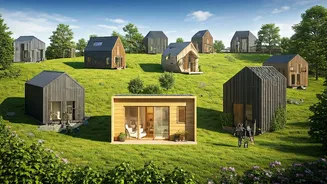
The tiny house movement is more than just a housing trend; it’s a global community of people who share a common vision. Online forums, social media groups, and local gatherings bring tiny home enthusiasts together to share experiences, support each other, and exchange ideas. From coast to coast, tiny house communities are forming, offering a supportive environment for homeowners. These communities foster a sense of belonging and provide opportunities to learn about building, design, and sustainable living practices. The increasing popularity of tiny houses has resulted in new trends. More builders and designers are specializing in small homes, offering innovative designs and eco-friendly features. These trends also include a rise in mobile tiny homes, which offer flexibility and freedom to move around.
Inspiration & Future
The final sections of the article aim to inspire and show future directions. The compact homes show the possibility of sustainable and affordable living. They encourage a mindset that prioritizes experience and reduces clutter. These tiny houses offer a reminder that a fulfilling life can be achieved without material excess. In the coming years, we can expect to see an increase in the number of tiny homes, as more people are drawn to the benefits they offer. They also highlight ongoing improvements in technology and design. New sustainable building materials, energy-efficient appliances, and smart home technologies will continue to enhance the appeal. Tiny homes may redefine our concept of home. It inspires the creation of small, sustainable, and joyful living spaces.
Conclusion: Embrace Tiny
From the very beginning, the article has celebrated the beauty and practicality of small living spaces. This final part offers a summary of the key themes covered throughout the article. The tiny house movement is more than just about downsizing; it is about creating a fulfilling life that balances simplicity, sustainability, and freedom. The article urges readers to discover the rewards of a compact, conscious lifestyle. It also encourages a rethinking of what is truly important. Embracing the tiny house concept requires a shift in perspective. Tiny houses symbolize an appreciation of design, resourcefulness, and community. The conclusion invites readers to consider their values, simplify their lives, and embrace the joy of small living.