




A Historic Occurrence
The occurrence of strong solar storms that hit Earth has been confirmed by the NOAA, labeling it as a historic event. The solar storm's intensity has been categorized
as S4, coupled with a G4 level geomagnetic storm. These measurements are indicators of the severe nature of the disturbances that have impacted our planet. This event represents the most powerful solar and geomagnetic storms to affect Earth since 2003. This is an instance of natural space weather that has far-reaching effects on technology and infrastructure that we commonly rely on, such as satellites and aviation systems. The strength of the event underscores the importance of monitoring and understanding space weather's dynamics and its potential impacts.
Impacts and Implications
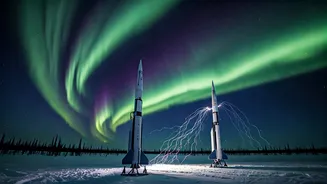
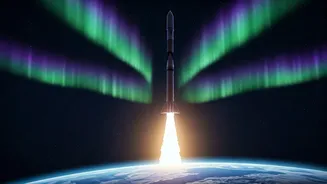
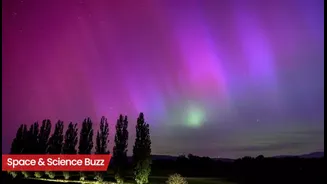
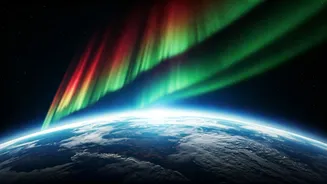
The repercussions of such intense solar events are wide-ranging. The primary impacts are expected to be on satellites and aviation. The high levels of radiation can interfere with the operational capabilities of satellites, potentially disrupting communications, navigation, and other satellite-dependent services. The aviation industry is also vulnerable, particularly at high altitudes and polar routes, where increased radiation levels pose risks. Additionally, strong geomagnetic storms can induce currents in power grids, potentially leading to instability or even blackouts. Furthermore, the auroras may be visible farther south than usual, offering visually stunning displays in areas where they are not typically observed. These displays are a visible testament to the interaction of solar particles with Earth's atmosphere.
Historical Perspective
The fact that this event is the most significant in over twenty years provides a unique historical context. The last time Earth experienced a solar storm of this magnitude was in 2003. This period provides an opportunity to reflect on advancements in both technology and our understanding of space weather. Monitoring and forecasting have improved significantly over the past two decades, allowing scientists and engineers to better prepare for and mitigate the effects of such events. This recent event also underscores the cyclical nature of solar activity and the importance of long-term monitoring to comprehend and forecast these powerful space weather phenomena. The recurrence of such events reminds us of the interconnectedness of space and the Earth, as well as the need for continuous research and adaptation.
Looking Ahead
Given the historic nature of the solar and geomagnetic storms, future impacts are already a focus of attention. Scientists and space weather experts will continue to analyze the data gathered during the event to refine their models and forecasting abilities. These efforts will help to improve predictions and warnings, enabling proactive measures to protect critical infrastructure. Collaboration and information sharing between different agencies, such as NOAA, NASA, and other international partners, will be vital to comprehensively understand and respond to space weather events. It is essential to recognize the role of ongoing research in enhancing resilience and safeguarding against the effects of solar activity in the future. Continuous advancements in understanding space weather will contribute to more effective responses to future events.