








The Alarming Situation
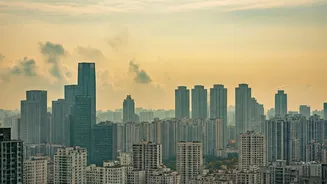
The air quality in Delhi has deteriorated significantly. The city experienced its worst air quality in January over the last two years. Reports revealed
the joint worst air quality for the second half of the month. This situation is particularly concerning due to its impact on public health and the overall well-being of Delhi residents. The high levels of pollutants can cause or exacerbate respiratory problems and other health issues. This raises the urgency for effective measures to combat air pollution and safeguard the citizens’ health.
Factors Contributing
Multiple factors contribute to Delhi's poor air quality. One significant contributor includes vehicular emissions, with the city's large number of vehicles releasing pollutants into the atmosphere. Industrial activities around the city also play a role, as factories and other industrial operations emit harmful gases and particulate matter. Additionally, seasonal factors, such as stubble burning in neighboring states, can worsen pollution levels. Meteorological conditions, including temperature inversions and low wind speeds, can trap pollutants, further deteriorating air quality.
Health Implications
The high pollution levels in Delhi have severe health implications for its residents. Prolonged exposure to poor air quality can lead to various respiratory ailments, including asthma, bronchitis, and other lung diseases. Children and the elderly are particularly vulnerable. The pollutants in the air can also cause cardiovascular problems and increase the risk of other health complications. The government and public health authorities must address these risks and work towards improving air quality to protect public health.
Government Measures
The government has implemented several measures to combat air pollution. These include initiatives like the Odd-Even scheme for vehicles, designed to reduce the number of vehicles on the roads. Efforts have been made to promote the use of electric vehicles and improve public transportation options, aiming to reduce vehicular emissions. Stricter emission norms have been put in place for industries, and measures are taken to control stubble burning in neighboring states. These measures are steps toward a comprehensive strategy to manage and decrease pollution levels.
Impact and Response
The ongoing air pollution crisis in Delhi necessitates a multi-faceted approach. Public awareness campaigns are essential to educate citizens about the risks of air pollution and the measures they can take to protect themselves. Residents can limit outdoor activities during peak pollution hours, wear masks, and use air purifiers. Stronger enforcement of environmental regulations is needed to ensure industries comply with emission standards. Collaborative efforts between the government, industries, and the public are vital to improve air quality and address this environmental challenge.







![[WATCH] 'Real Madrid, Ramadan and rest' - Mohammed Siraj how last-minute World Cup call-up changed February plan](https://g-mob.glance-cdn.com/public/fc/image/ByYT_LEmlrD0.webp)
