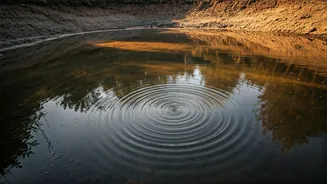








The Mysterious Sinkhole
The emergence of a sinkhole can be a dramatic event, often creating both curiosity and concern. Sinkholes form when the ground surface collapses due to
the underlying rock dissolving or shifting. This often happens in areas with limestone or other soluble rocks. The process can be gradual, appearing as a slight dip in the ground, or sudden, resulting in a large hole. The size and depth of a sinkhole can vary greatly, from a few feet to hundreds of feet wide and deep. Their appearance can change the landscape, potentially impacting infrastructure and posing safety risks to nearby communities. Understanding the geological factors that contribute to sinkhole formation is essential for managing the potential hazards they present.
Why Sinkholes Happen
Sinkholes are a geological reality, often caused by the erosion of underlying rock layers. This erosion can occur due to the gradual dissolving of soluble rocks like limestone, dolomite, or gypsum by water. As rainwater seeps through the ground, it becomes slightly acidic, dissolving the rock over time. This process creates underground voids. When these voids become too large, the ground above loses its support and collapses, resulting in a sinkhole. Human activities, such as excessive groundwater pumping or construction, can accelerate the formation of sinkholes by disrupting the natural water balance and destabilizing the ground.
Water's Unsafe Status
When authorities investigated the water, they discovered the presence of dangerous bacteria. This led to immediate warnings about the water's safety. The presence of bacteria indicated that the water was not safe for consumption. Consuming contaminated water can lead to various health issues, ranging from mild stomach upsets to more severe infections. The specific type of bacteria found and the level of contamination would determine the severity of the health risks. Public health officials typically advise against drinking water from unknown sources, especially those that may be exposed to contaminants. Testing the water and providing necessary warnings is crucial to protect public health.
Dangers of Consumption
Drinking sinkhole water, even if it appears clear, carries significant health risks. Contaminants may not always be visible, such as bacteria, heavy metals, or chemicals. These contaminants can cause various illnesses, including gastrointestinal infections, liver damage, or even neurological problems. The severity of the health risks depends on the type and concentration of contaminants present, as well as the individual's health and immune system. Children, the elderly, and individuals with weakened immune systems are particularly vulnerable to these dangers. It is essential to treat all water from unknown sources cautiously and to follow health guidelines provided by authorities to avoid potential health hazards.