




The Meal Skipping Trap
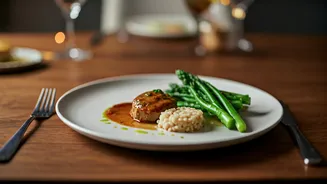
Many believe that drastic measures like skipping meals are the quickest route to shedding pounds, but this approach often proves unsustainable and detrimental.
Actress Rubina Dilaik, having experimented with this method herself, revealed that it led to intense hunger pangs, disrupting her sleep and compelling her to raid the refrigerator late at night. Beyond the physical discomfort, she also experienced mental fatigue, restlessness, and a noticeable dip in energy levels the following morning. Instead of aiding her weight loss goals, this strategy backfired, highlighting that consistent, mindful eating is far more effective than severe restriction. Dilaik's key message is clear: it's about consuming the correct foods at appropriate times, rather than foregoing meals altogether.
Carbs: Not the Enemy
A prevalent myth suggests that carbohydrates are inherently fattening, but Rubina Dilaik challenges this notion. She emphasizes that the impact of carbs on weight is largely dependent on how they are consumed. When eaten in sensible portions and paired with other nutrient-dense foods in balanced combinations, carbohydrates can be a healthy part of a diet. The focus should be on the quality and quantity of carbohydrates, rather than their complete elimination. This perspective shifts the conversation from restrictive eating to informed food choices, where understanding macronutrient balance becomes paramount for effective and healthy weight management.
Homemade Ghee's Role
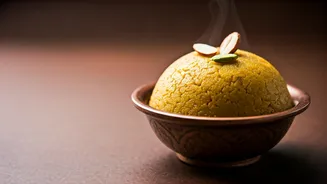
Contrary to the belief that homemade ghee is unhealthy, Rubina Dilaik champions its inclusion in a balanced diet. She incorporates homemade ghee into her daily meals, advocating for its health benefits when consumed in moderation. This traditional ingredient, often demonized in modern diets, is presented as a valuable source of healthy fats when used judiciously. Dilaik’s stance suggests that culinary traditions and ancestral food practices, when adapted to contemporary understanding of nutrition, can offer significant advantages for overall well-being and contribute positively to dietary patterns.
Gut Health & Fermentation
Rubina Dilaik highlights the positive impact of fermented foods on digestive health, citing them as a factually beneficial dietary component. She mentions traditional Indian dishes like idli, dosa, and cheela as examples that aid digestion and leave her feeling light and invigorated. This underscores the importance of incorporating probiotic-rich foods into one's diet to promote a healthy gut microbiome. The actress’s endorsement of these culturally relevant foods reinforces the idea that traditional culinary practices often hold valuable nutritional wisdom, contributing to both physical comfort and overall vitality.
Vegetarian Protein Power
The misconception that vegetarian diets inherently lack sufficient protein is debunked by Rubina Dilaik. She asserts that a well-planned vegetarian meal plan can readily provide adequate protein intake through various sources. Foods such as dal (lentils), paneer (Indian cottage cheese), and tofu are excellent vegetarian protein options. This addresses a common concern for those considering or following a vegetarian lifestyle, emphasizing that careful meal preparation and conscious selection of plant-based protein sources can effectively meet nutritional requirements for muscle maintenance and overall health.
Fruit Sugar Realities
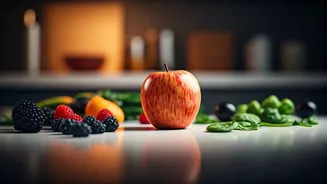
Rubina Dilaik clarifies a crucial point regarding fruit sugar, stating that consuming fruits or their juices exclusively is not the optimal approach for a healthy diet. While fruits offer valuable nutrients, relying solely on them or their concentrated forms, like juices, can lead to an excessive intake of natural sugars. This insight is vital for understanding balanced nutrition; it suggests that while fruit is beneficial, it should be part of a varied diet and not the sole source of sweetness or sustenance. Moderation and a holistic approach to dietary intake remain key.
Oils: Seed vs. Refined
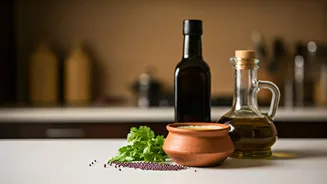
In her discussion on healthy cooking practices, Rubina Dilaik expresses a clear preference for specific types of oils, actively avoiding refined oils. She specifically recommends mustard oil, coconut oil, and cold-pressed oils, suggesting they are superior choices for daily culinary use. This preference aligns with a growing awareness of the benefits of less processed cooking fats, which retain more of their natural nutrients and beneficial compounds. By advocating for these alternatives, Dilaik promotes a healthier approach to cooking that prioritizes ingredient quality and minimizes exposure to potentially harmful processed substances.
Cultural Culinary Roots
Rubina Dilaik acknowledges the profound influence of culture on our eating habits, referring to it as a significant fact. She illustrates this by referencing diverse regional diets, such as the ghee-rich cuisines of mountainous areas and the fish and rice staples of Bengal. This observation emphasizes that our dietary patterns are deeply intertwined with our heritage and environment, and that these traditional ways of eating are natural and often well-suited to specific contexts. Understanding this cultural connection can foster a greater appreciation for diverse culinary traditions and their role in shaping healthy lifestyles.
Exciting Healthy Food
Contrary to the common myth that healthy food is bland and unappealing, Rubina Dilaik demonstrates that it can be both nutritious and enjoyable. She showcases how simple modifications can transform healthy ingredients into delightful dishes, citing examples like carrot salads and sweet potato chaat. This perspective encourages readers to explore the culinary possibilities within healthy eating, moving beyond the idea of deprivation. Dilaik's approach suggests that creativity and informed preparation are key to making nutritious meals a pleasure, thereby fostering long-term adherence to a healthy lifestyle.