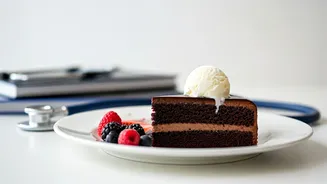

Mindful Sweet Consumption
The first step to enjoying desserts guilt-free, according to the doctor, is practicing mindful consumption. It is essential to pay attention to portion
sizes. Instead of mindlessly consuming large amounts, enjoy smaller portions, savoring each bite. Take your time, focus on the flavors, and notice how the dessert makes you feel. Mindful eating helps you appreciate the treat and prevents overeating. It also allows your body to signal when you've had enough. This is a simple yet effective way to manage your sweet cravings while keeping your health on track. By being aware of your intake, you can make informed choices and avoid unnecessary feelings of guilt.
Healthy Ingredient Swaps
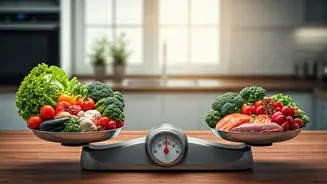
Another crucial tip involves making smart ingredient substitutions. The doctor recommends swapping out unhealthy components for healthier alternatives. For example, replace refined sugar with natural sweeteners like honey, maple syrup, or dates. These options have a lower glycemic index, meaning they don't cause drastic blood sugar spikes. Consider using whole-wheat flour instead of white flour for added fiber and nutrients. Incorporating fruits and vegetables into your desserts is also a great idea. Applesauce or mashed bananas can reduce the need for added fats and sugars. These ingredient swaps enhance the nutritional value of your desserts, making them a more guilt-free indulgence. This means you can satisfy your sweet tooth without compromising your health goals.
Homemade Dessert Recipes
Creating your own desserts at home gives you complete control over the ingredients and portion sizes. The doctor shared the simplicity of making your own desserts. Start with simple recipes that use whole, unprocessed ingredients. One example is a homemade Nutella recipe. This version often uses just three ingredients, making it easy to create a healthier version of the store-bought treat. Another idea is to try fruit-based desserts. Baked apples with cinnamon or berry cobblers provide natural sweetness and are rich in nutrients. Homemade treats allow you to customize flavors and control the sugar and fat content. This way, you enjoy delicious desserts without the unwanted additives and preservatives found in many store-bought options.
Pairing with Exercise
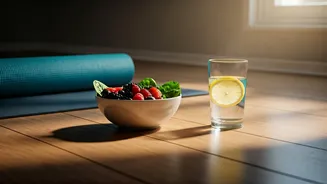
The doctor suggests integrating physical activity into your routine to balance your dessert consumption. Regular exercise helps burn extra calories and improves overall health. This approach does not mean you should feel guilty about enjoying a dessert. Consider it a part of a balanced lifestyle. Regular physical activity enhances your mood and energy levels, making the whole experience more enjoyable. A quick walk after a meal or a more intense workout session can help manage blood sugar levels and keep you feeling good. By pairing your sweet indulgences with exercise, you can experience the best of both worlds: satisfaction and well-being. This is a practical and effective method to balance your sweet cravings and maintain a healthy lifestyle.
Portion Control Strategies
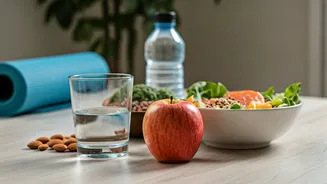
The doctor emphasizes the importance of portion control when eating desserts. The key is to enjoy your treat without going overboard. Consider using smaller plates or bowls to visually limit the amount you consume. Pre-portioning your desserts into individual servings can help you avoid overeating. When eating out, share a dessert with a friend or family member. Alternatively, you can ask for a smaller portion. These simple tactics can make a big difference in controlling your calorie intake. Mindful eating also helps; take the time to savor each bite and be aware of your body's signals of fullness. By practicing portion control, you can indulge in your favorite sweets without jeopardizing your health goals. This strategy prevents excessive consumption and helps you maintain a balanced diet.
Frequency and Timing
Thinking about the frequency and timing of when you eat desserts is also crucial. The doctor advises against constant indulgence. Instead, plan your treats strategically. Try to limit dessert consumption to a few times a week, rather than daily. This allows your body to process the sugar without constantly spiking blood glucose levels. Consider the timing of your dessert. Eating sweets after a meal, especially one that includes protein and fiber, can help slow down the absorption of sugar. This helps prevent rapid spikes in blood sugar. Avoid eating desserts late at night, as your body is less active during sleep. By making informed choices about the frequency and timing, you can enjoy your sweets without significantly impacting your health.