






Trump's Firm Stance
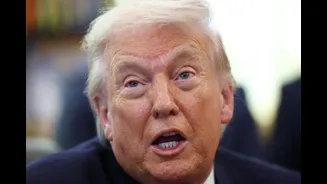
Trump, through a post on Truth Social, expressed his disapproval regarding the possibility of Nouri al-Maliki re-assuming the role of Prime Minister of Iraq.
He made his stance clear, stating that if al-Maliki were to be reinstated, the United States would cease providing support to Iraq. Trump's statement suggested that the US assistance, crucial for Iraq's progress, would be contingent on the country not electing al-Maliki. Trump recalled al-Maliki’s previous tenure, pointing out its association with internal unrest and a strained relationship with the United States. He bluntly stated that al-Maliki's return would lead to disastrous consequences for Iraq. The former president concluded his post with the slogan “MAKE IRAQ GREAT AGAIN!” highlighting his perspective on the situation. His remarks underscore the ongoing tensions in the region and the US's strategic interests.
US Aid Threat Assessed
Trump's warning served as a direct threat regarding the future of US support for Iraq, specifically if Nouri al-Maliki were to be appointed prime minister. Trump stated that without American assistance, Iraq would be deprived of any opportunity for success, prosperity, and freedom. This move signaled a significant shift in the relationship, putting at risk long-standing partnerships and financial support. These were perceived as signs of the US's determination to limit the influence of Iran-backed groups within Iraq's political sphere. This action was reportedly in response to the Coordination Framework backing al-Maliki's nomination. Such actions, according to analysts, might present a challenge for al-Maliki, but it is not completely improbable for him to secure the position. US officials reportedly issued warnings to senior Iraqi politicians, threatening sanctions against them if Iran-aligned factions were included in the government.
Maliki's Controversial History
Nouri al-Maliki, who led Iraq from 2006 to 2014, had a complex and controversial leadership. During his tenure, the country experienced heightened sectarian violence, political infighting between diverse groups, and growing discontent with the US. Trump criticized al-Maliki's policies and ideologies, implying they were detrimental to Iraq's stability. Al-Maliki stepped down in 2014 after the Islamic State group seized substantial parts of the country, yet he has maintained a significant political presence through the State of Law coalition, with strong ties to Iran-aligned factions. The US had previously expressed worries regarding the risks associated with a pro-Iran government in Baghdad, raising concerns during a call with al-Sudani. Trump's intervention happens during a critical time, as he considers possible military action against Iran.
Regional Tensions & Implications
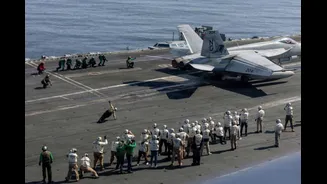
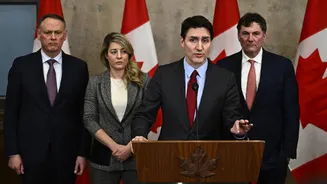
Trump’s remarks came amid escalating tensions in the Middle East. With the US considering potential military action against Iran, the political dynamics in Iraq are now more critical than ever. The involvement of Iran-linked factions and the possibility of al-Maliki’s return contribute to this already unstable environment. The US’s concern extends to the influence of Iran within Iraq's government, as highlighted in a statement by the State Department's principal deputy spokesperson, Tommy Pigott. The spokesperson stated that a government influenced by Iran wouldn't prioritize Iraq’s interests, keep the nation out of regional conflicts, or advance the relationship between the United States and Iraq. The US's strategic intentions and the potential reactions from various regional players demonstrate a complex situation. The potential for the US to limit or end aid emphasizes the gravity of the situation and indicates the US's commitment to protecting its interests.