





A Territory of Interest
The discussion around Greenland and Donald Trump has garnered significant interest, with a focus on understanding the strategic significance of the region.
Greenland, the world's largest island, holds considerable geopolitical value due to its location between North America and Europe. Its strategic importance lies in its role in surveillance and defense capabilities. Trump's interest in Greenland, which he reportedly expressed, was seen as an unconventional move in international diplomacy. This interest also raised questions about the United States' long-term strategic aims in the Arctic, and its potential impact on international relations, especially with Denmark and other Arctic nations. The initial reactions were varied, ranging from surprise to skepticism, highlighting the unique nature of Trump's diplomatic approaches.
Geopolitical Considerations Emerge
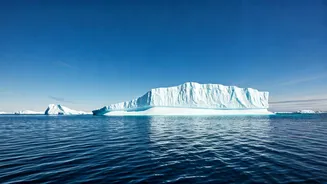
Trump's potential focus on Greenland goes beyond mere geographical interest; it also brings with it significant geopolitical elements. The Arctic region is experiencing growing strategic significance due to melting ice, creating potential new shipping routes and access to natural resources. Any activity related to Greenland has to be seen in the light of the United States' wider strategy in this crucial region. The dynamics with Denmark, which administers Greenland, would also play a critical role. Any attempt to purchase or exert influence over Greenland would undoubtedly face significant pushback. The reaction from other global powers, particularly those with Arctic interests such as Russia and Canada, should be thoroughly assessed. Furthermore, the implications on NATO and the broader international security landscape should be acknowledged.
Motivations Under Scrutiny
The motivations behind Trump's interest in Greenland are a subject of ongoing scrutiny and discussion. Various theories have been proposed, spanning economic, strategic, and political factors. Economic considerations could involve an interest in Greenland's rich natural resources, including minerals and other potential assets. Strategically, controlling Greenland could enhance the United States' military presence in the Arctic region, improving surveillance capabilities and providing a strategic advantage. Politically, the move could be viewed as a symbolic gesture, demonstrating the United States' dominance and influence in international relations. Analyzing these elements helps to provide a comprehensive understanding of the situation. It's crucial to evaluate these motivations from different viewpoints to comprehend the nuances of the situation.
International Reactions Explored
Trump's inclination towards Greenland prompted a variety of international responses. Denmark, which administers Greenland, immediately dismissed the idea, asserting its sovereignty over the island. Other European countries expressed surprise and skepticism, as this demonstrated Trump's unconventional diplomatic approach. The reactions from other Arctic nations, such as Canada, Finland, Iceland, Norway, and Sweden, warrant specific attention, given the existing geopolitical tensions in the region. The broader international community and the media also closely scrutinized the situation, reflecting the global implications of Trump's actions. These reactions underscore the complex and sensitive dynamics of international diplomacy and the significant consequences of such initiatives.
The Arctic's Future Discussed
Trump's interest in Greenland has led to a wider discussion about the future of the Arctic. Climate change is rapidly transforming the region, leading to melting ice, changes in shipping routes, and increased access to natural resources. These developments are of great interest to various nations, leading to increased competition for influence and resources. The United States' actions in the Arctic, including any activities in Greenland, have a critical impact on the region's geopolitical dynamics. The future of Greenland and its role in the Arctic will continue to be a significant subject, involving national interests and international cooperation and competition. The choices and alliances made now are set to affect the region's future greatly.